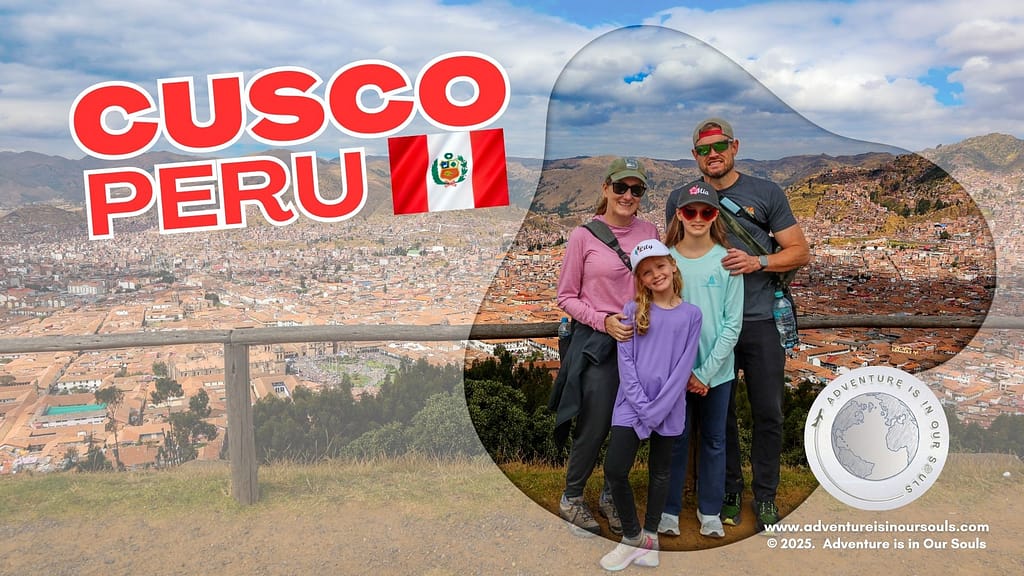
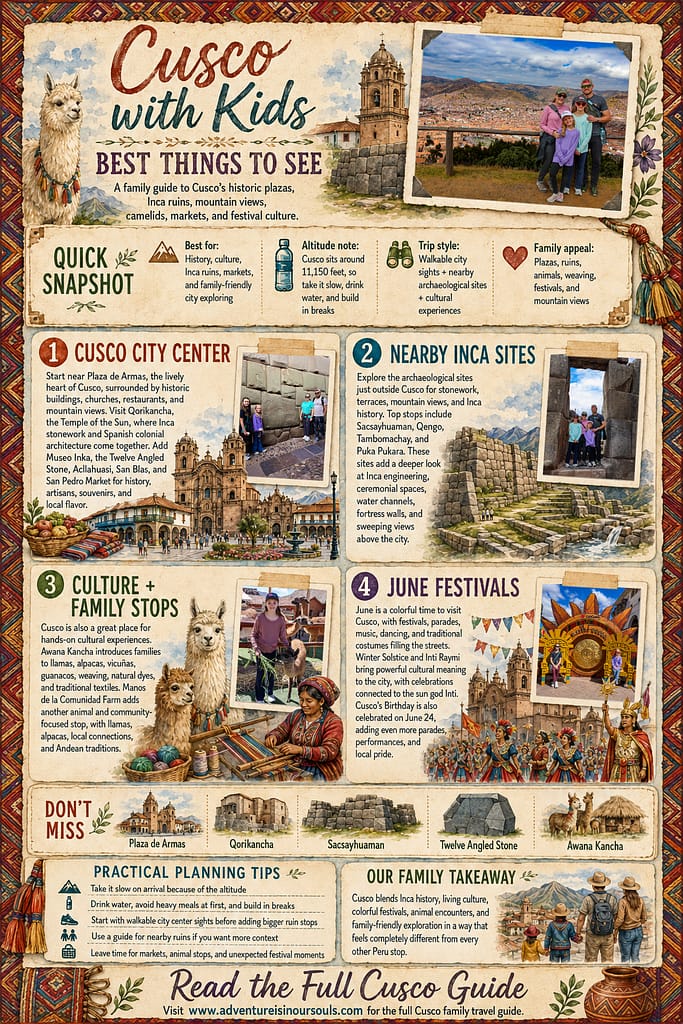
Cusco, Peru, took our breath away in more ways than one! Our adventure travel family arrived on June 20, just in time to witness the Winter Solstice and Inti Raymi. This ancient city, nestled high in the Andes, immediately swept us into a world of cobblestone streets, colorful festivals, and centuries-old Inca wonders. For families looking to combine history, culture, and unforgettable scenery, Cusco is a dream come true. We loved walking the narrow lanes, meeting local artisans, and watching traditional dances fill the streets. From archaeological ruins to bustling plazas, Cusco offered surprises around every corner. We found ourselves constantly saying, “Wow!” Whether you are traveling with kids or diving deep into Inca history, this guide covers all the best things to see in Cusco. Join us as we share our favorite sites, tips for acclimating, and the magic of June’s festivals!
What is Cusco?
Cusco is a city rich with culture, history, and stunning mountain views! Once the capital of the Inca Empire, it remains one of the most historically significant cities in all of South America. Its layout is a mix of ancient ruins and Spanish colonial charm. Cobblestone streets wind through the city center, where old stone walls blend seamlessly with churches and colorful markets. At over 11,000 feet in elevation, Cusco has a mild climate with chilly nights and warm sunny days. June is part of the dry season, making it a perfect time to explore.
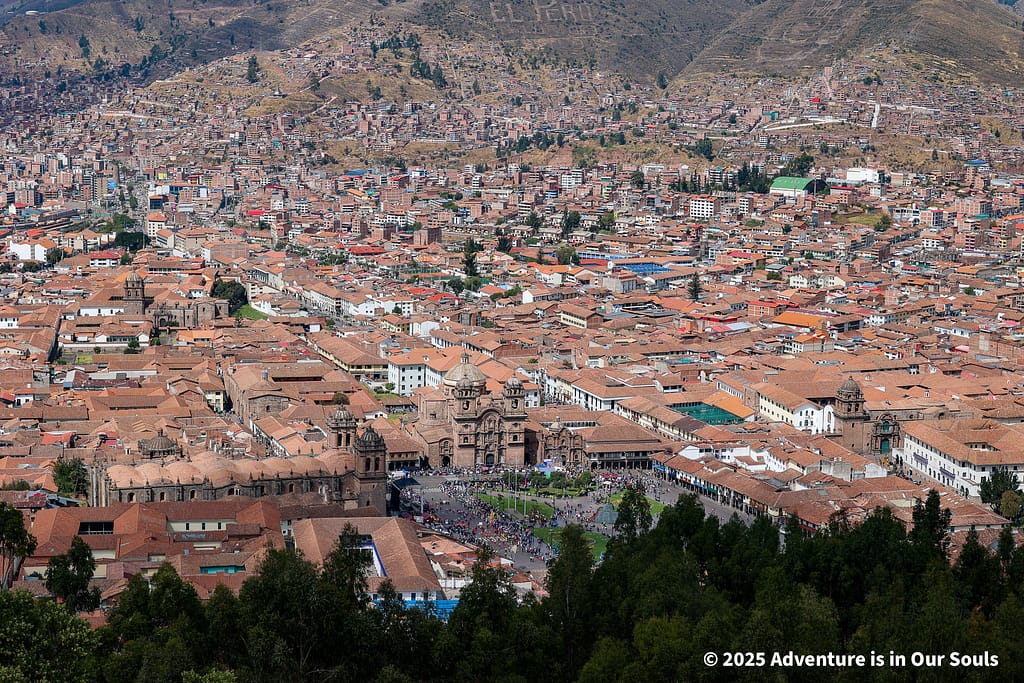
Safety-wise, Cusco felt welcoming and comfortable. We always stayed alert as we would in any busy city, but we felt very safe walking around with the girls. Locals were friendly and helpful. We stayed a short distance from the Plaza de Armas, which is a great location for families because it is within walking distance of most major attractions. Cusco is a place where ancient traditions meet everyday life. You can stroll past schoolchildren in uniform and turn the corner to see dancers in traditional Inca attire. It is truly a city where the past and present come together!
Altitude
Cusco is high in the Andes, sitting at around 11,150 feet above sea level. That altitude is no joke! Before heading to Cusco, we made sure to spend a few days in lower elevations to acclimate. We started our Peruvian journey in Lima, then visited Paracas, Huacachina, and Arequipa, gradually getting used to higher altitudes. That plan made a big difference!
Even with the preparation, we still felt the altitude when we arrived in Cusco. The girls were a little tired on the first day, and we all walked more slowly than usual. We drank plenty of water, avoided heavy meals at first, and took breaks often. Many locals recommend coca tea, and we happily sipped it whenever offered. It is said to help with altitude adjustment, and we found it comforting and warm.
It is important to listen to your body in Cusco. If you plan to explore the sites right away, take it slow. The good news is that most of Cusco’s city center attractions are close together and easy to access on foot. The key is to pace yourself. Within a day or two, we were feeling great and ready to take on everything this amazing city had to offer!
Things to See in Cusco: Around Cusco City Center:
Plaza de Armas
The heart of Cusco is the Plaza de Armas, and it is one of the liveliest places in the entire city! Located right in the city center, this grand square is surrounded by historic buildings, arcaded walkways, restaurants, and churches. The view is especially breathtaking with the Andes rising in the background. We loved coming here in the morning to watch the city come to life.
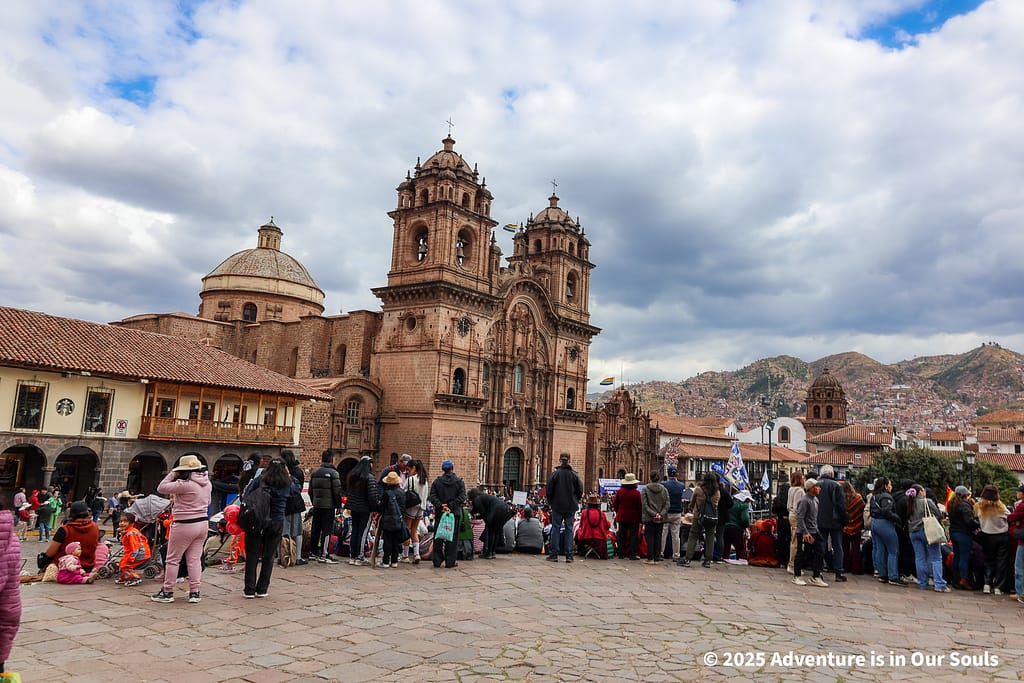
Historically, this plaza was once the central ceremonial site of the Inca Empire. It has seen everything from royal parades to colonial invasions. Today, it is a mix of culture and celebration. The girls ran around chasing pigeons, and we enjoyed sipping coffee while soaking up the energy of the square. Street performers, vendors, and traditional dancers often gather here, making every visit a little different.
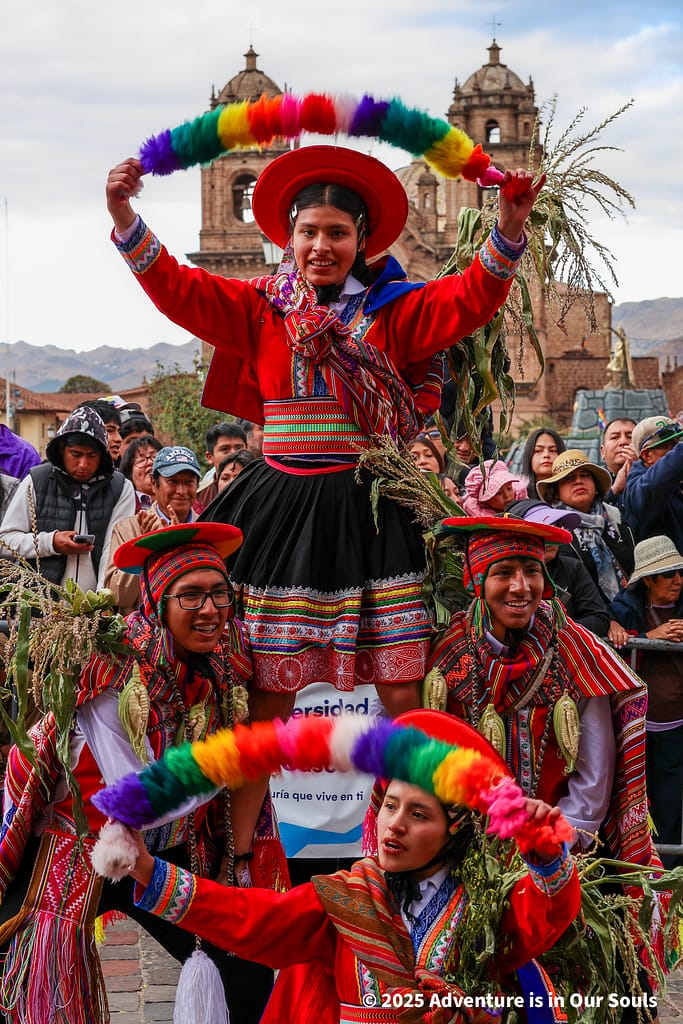
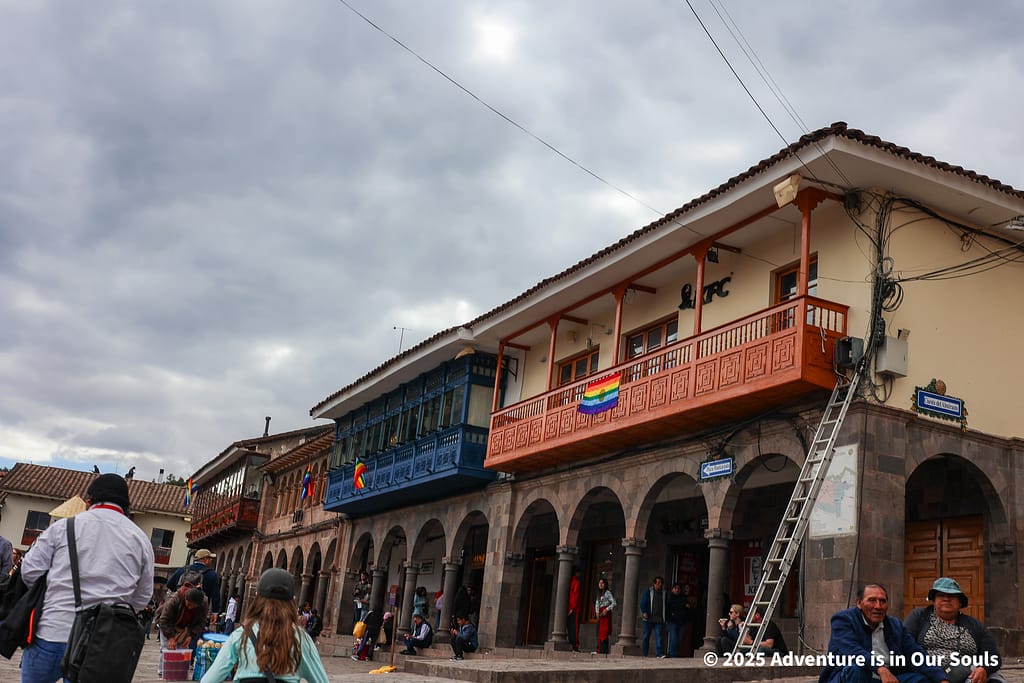
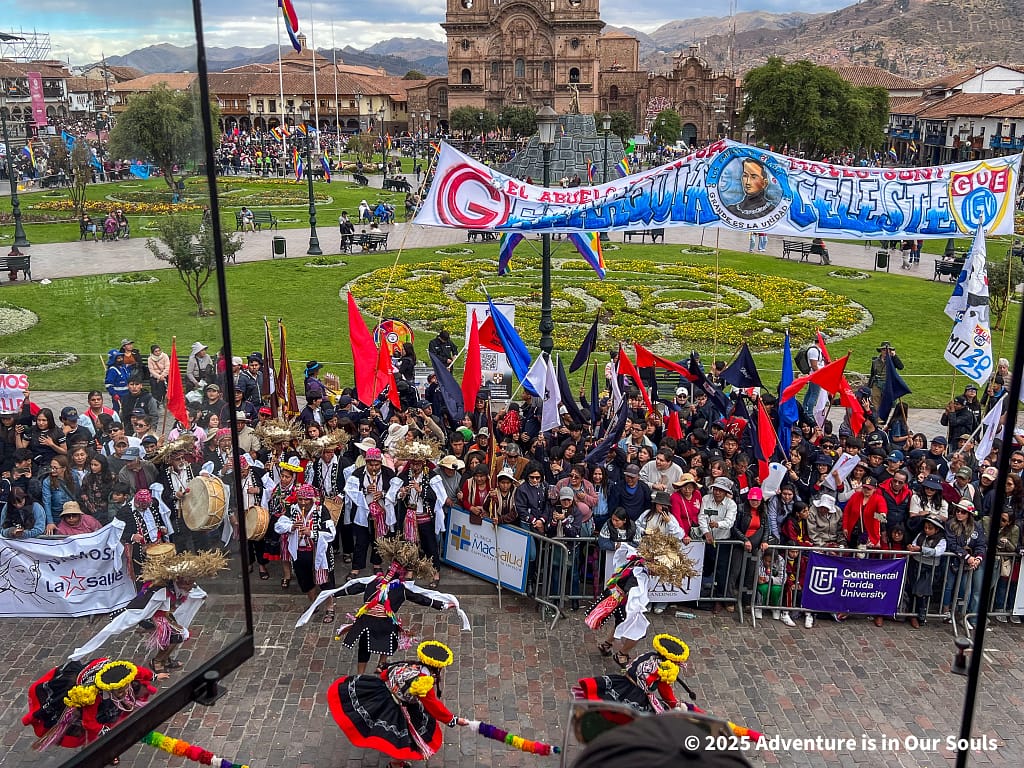
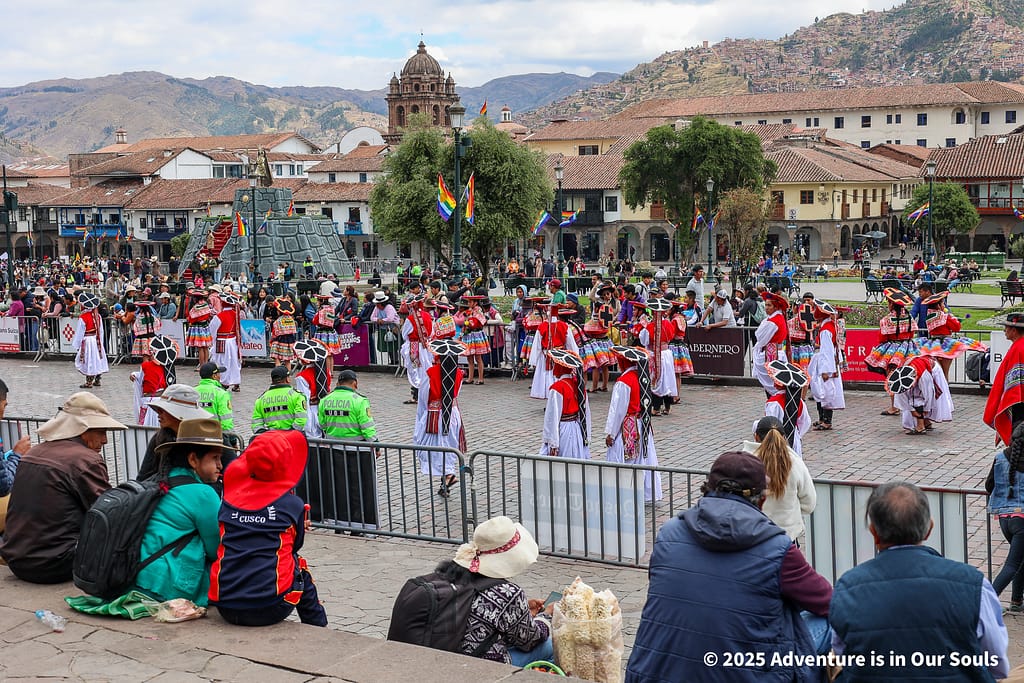
We visited several times during our stay because so many festivals and parades passed right through here! During Inti Raymi, the plaza was filled with costumed performers and music. It was truly the heartbeat of the celebration.
Qorikancha
Just a short walk from the Plaza de Armas is Qorikancha, once the most important temple in the Inca Empire! Known as the Temple of the Sun, it was dedicated to Inti, the sun god. The Spanish later built the Santo Domingo Church on top of the Inca foundations, creating a fascinating blend of cultures and architecture.
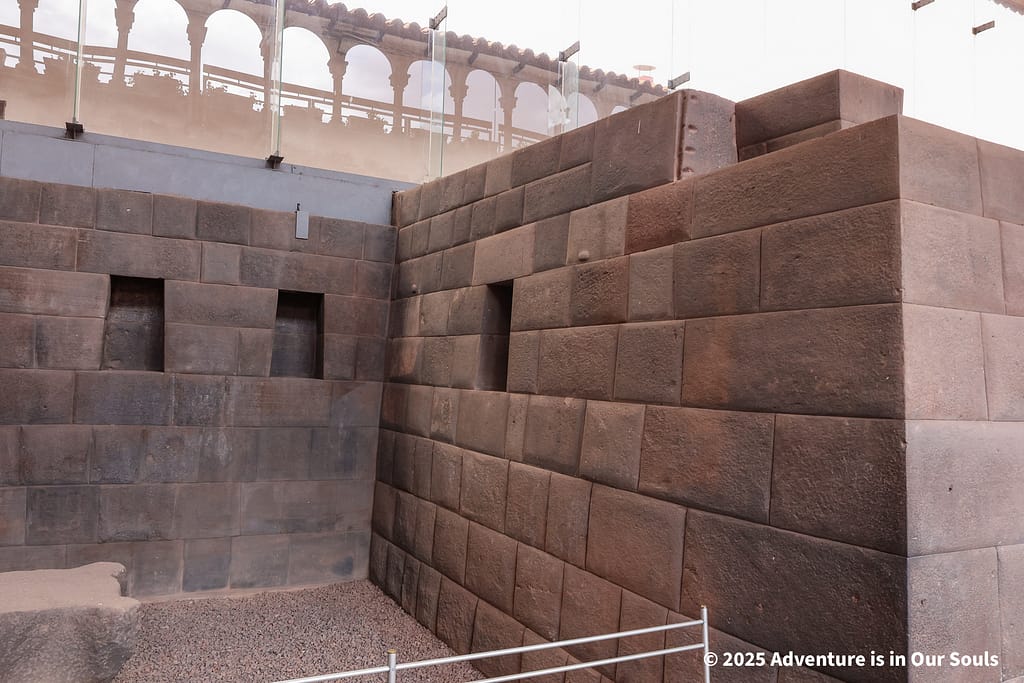
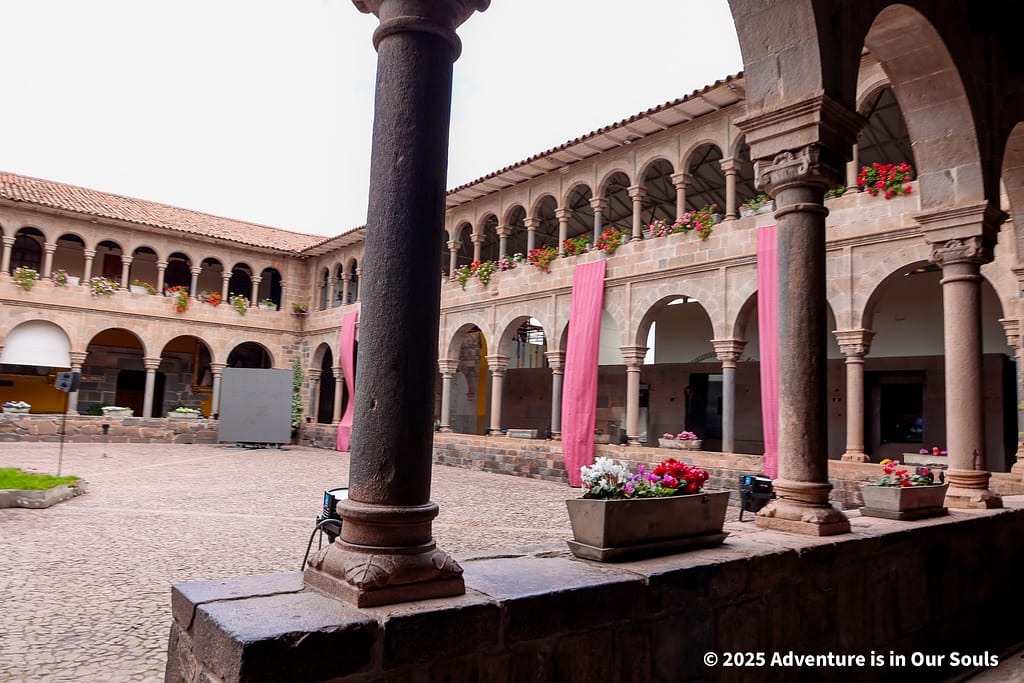
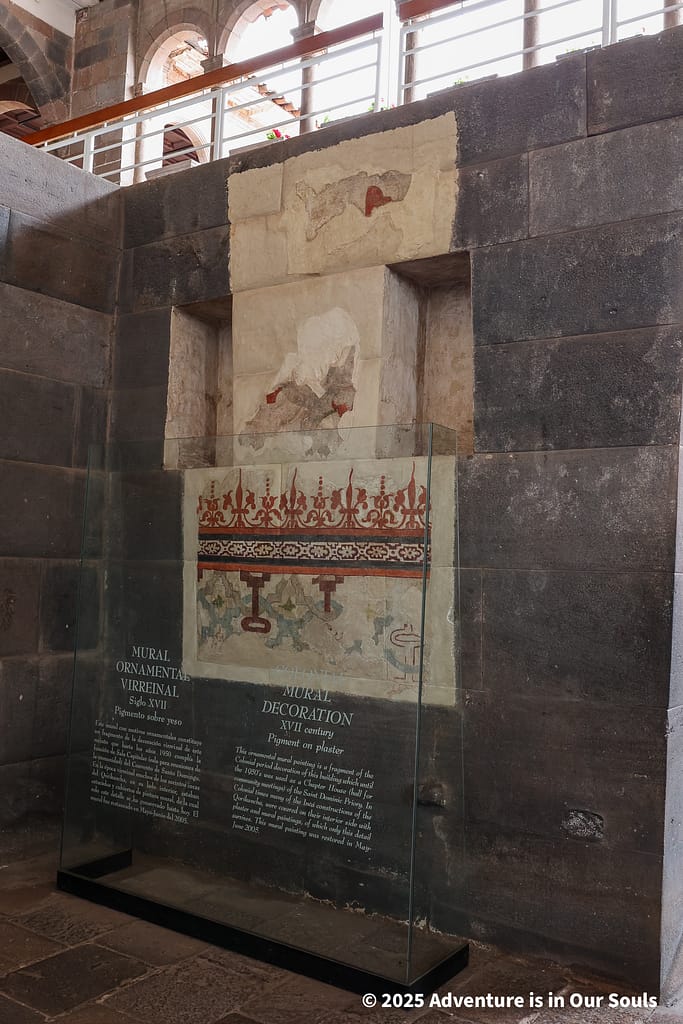
This site amazed us! The original Inca stonework is precise and still stands strong. You can walk through sections of the old temple, exploring rooms once used for religious ceremonies and astronomy. The Spanish church above is also worth seeing, with beautiful paintings and a peaceful courtyard.
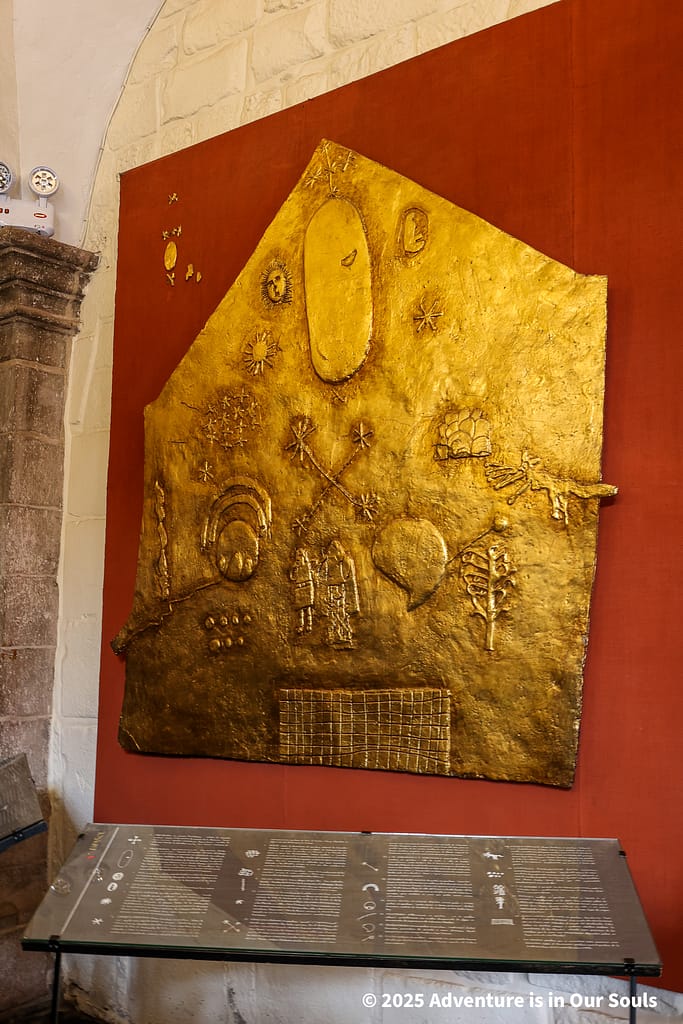
The highlight for us was learning about the gold that once covered the temple walls. Although it was stripped away during conquest, you can still imagine how dazzling it must have looked in the sunlight! The museum inside also helped us understand the site’s spiritual importance.
Museo Inka
Located just uphill from the Plaza de Armas, the Museo Inka is a treasure trove of Inca history and artifacts. We loved stepping into this quiet museum and diving into the stories behind everything we had seen around the city. The museum is housed in a colonial building built atop Inca foundations, just like so many places in Cusco!
Inside, we found a well-organized collection of pottery, textiles, mummies, and tools. The girls were especially intrigued by the mummy room. The displays helped us understand the daily lives and beliefs of the Inca people. We also appreciated the detailed explanations about Inca engineering and astronomy.
There was a small area dedicated to the famous quipus, the knotted strings the Incas used for record-keeping. It was amazing to think how advanced their communication methods were! The museum is not flashy, but it is filled with real treasures and lots of interesting information. It gave us a much deeper appreciation for everything we saw in Cusco.
Piedra de los 12 ángulos (Twelve Angled Stone)
Tucked along a narrow street near the Archbishop’s Palace, the Twelve Angled Stone is a small but fascinating attraction! It is part of a larger Inca wall, and what makes it so special is the masterful way it was carved to fit perfectly with surrounding stones. It has twelve angles, each one interlocking with the stones around it without any mortar!
It is located on Hatun Rumiyoc Street, just a short walk from the Plaza de Armas. The stone is clearly marked, and there is usually someone nearby to point it out or offer information.
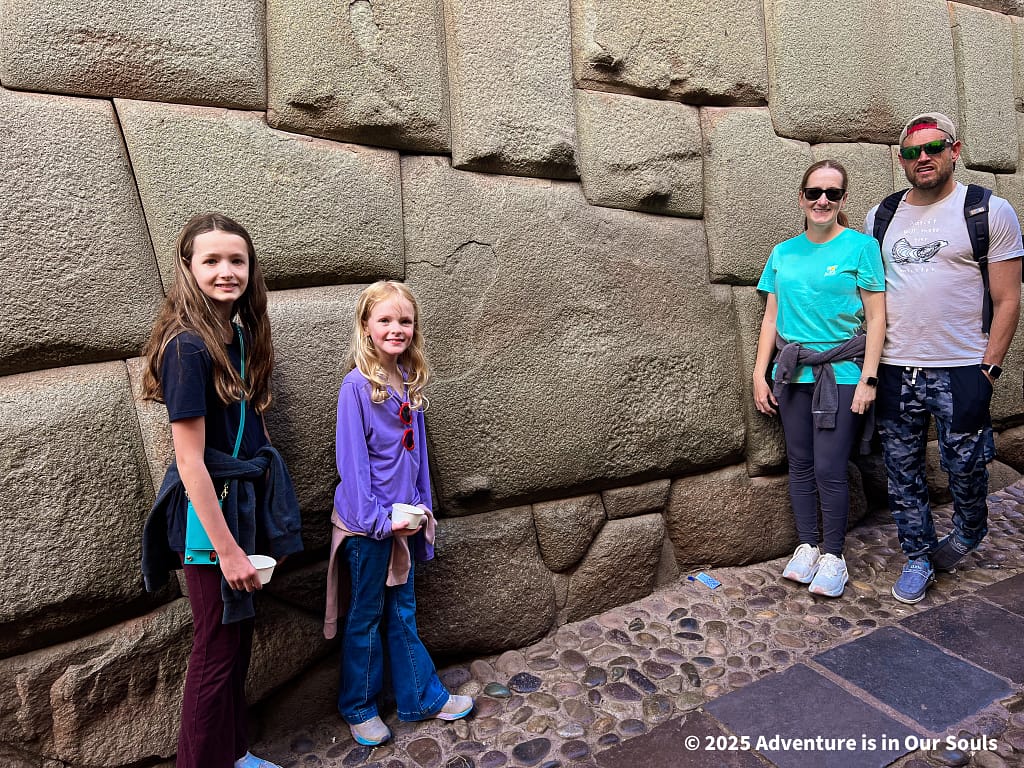
Buttercup and Spider Monkey were amazed at how tight the stone fit! We all tried to slip a piece of paper between the stones and could not. It really shows the genius of Inca engineering. Even though it is a quick stop, the Twelve Angled Stone is one of those small wonders that makes you appreciate the skill and knowledge of ancient builders.
Acllahuasi
One afternoon, we wandered near the historic site of Acllahuasi and stumbled upon a peaceful courtyard tucked away from the crowds. Acllahuasi, once home to the chosen women of the Inca Empire, is rich in history and spiritual meaning. While the original structure is not fully open to visitors, the surrounding area offers a lovely place to pause and reflect.
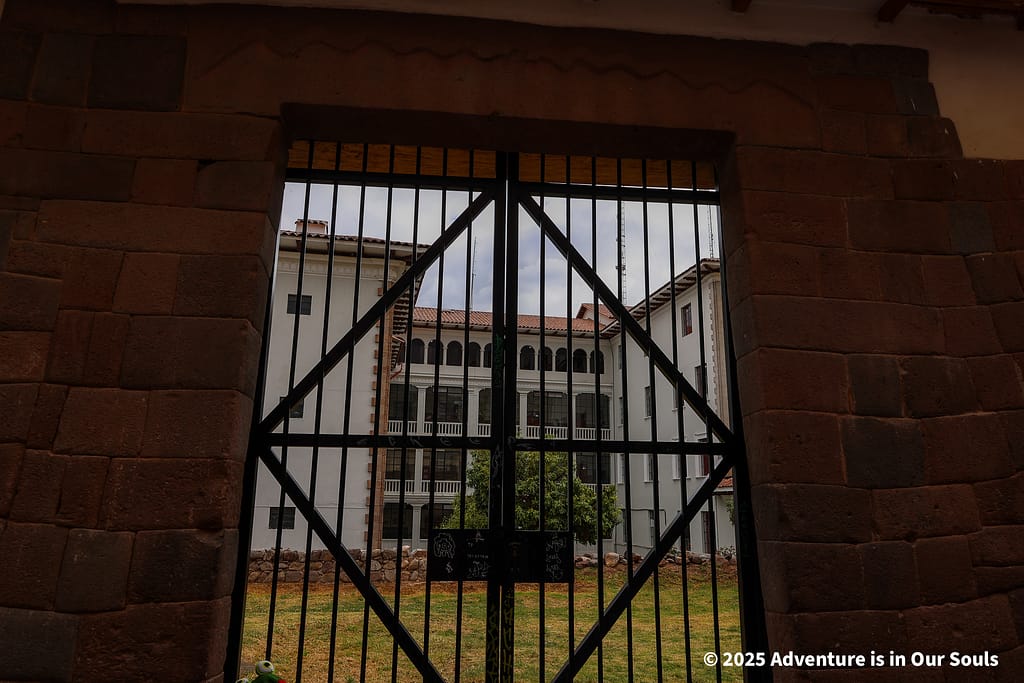
Just outside its ancient walls, local artists were selling handmade goods along the quiet alleyways. A friendly guide told us stories of the Inca women who once lived here and explained how they prepared offerings and wove ceremonial cloth for the empire.
Other Sites Around Cusco City Center
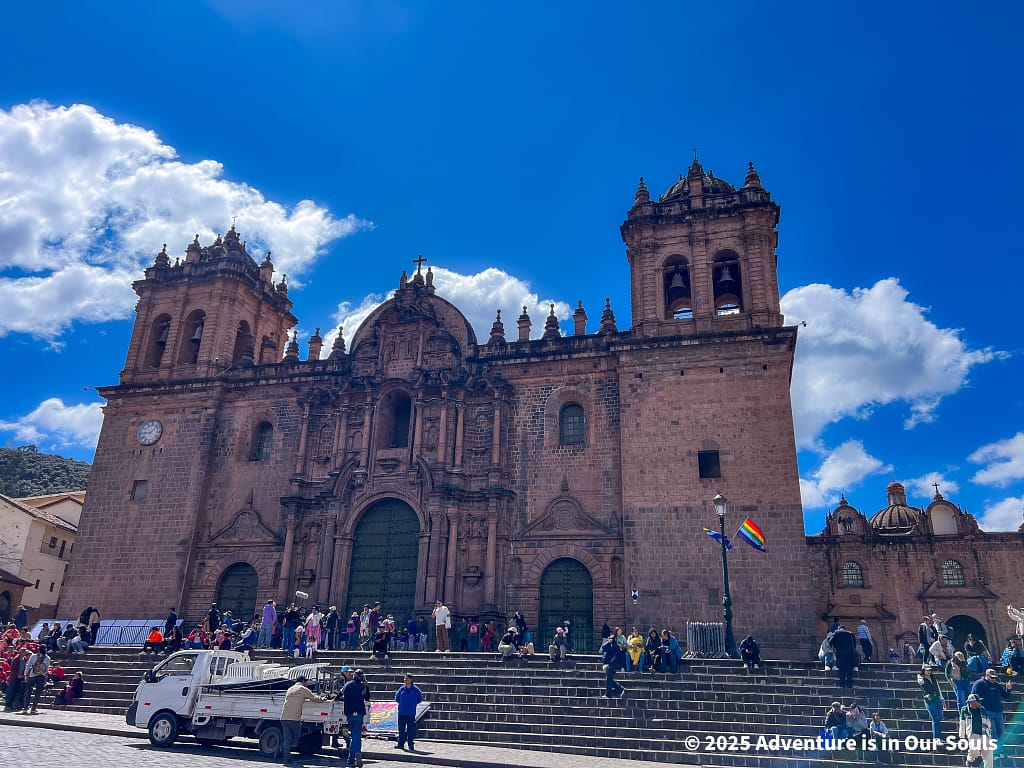
Cusco’s city center is packed with historical and cultural gems. Just walking through the streets felt like stepping back in time! We loved exploring the many colonial churches, such as the Cusco Cathedral and the Iglesia de la Compañía de Jesús. Both have stunning interiors and sit right on the Plaza de Armas.
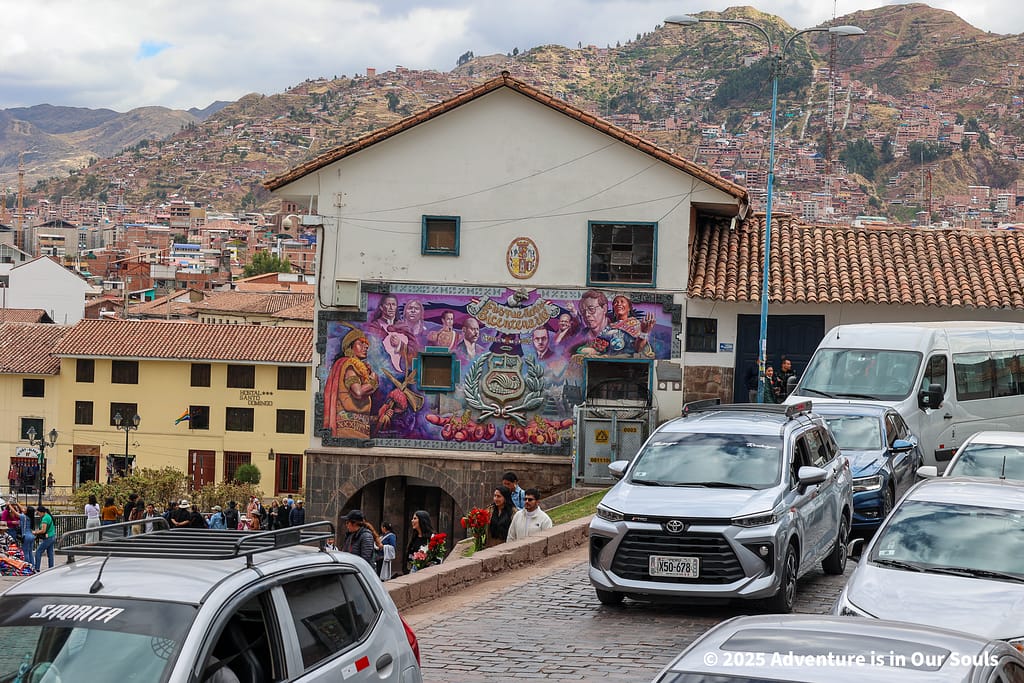
San Blas is another must-see neighborhood. It is just a short uphill walk from the plaza and is full of artisan shops and cozy cafes. We spent a lovely afternoon wandering the streets, stopping to admire the views and browse handmade goods. The girls enjoyed picking out colorful souvenirs.
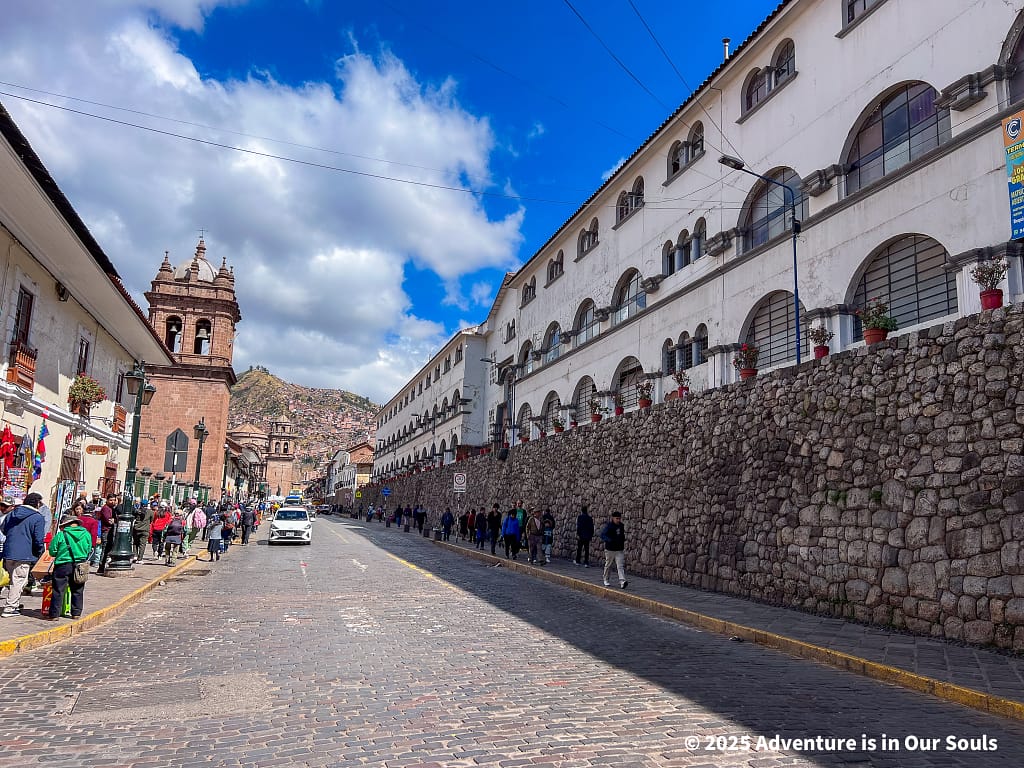
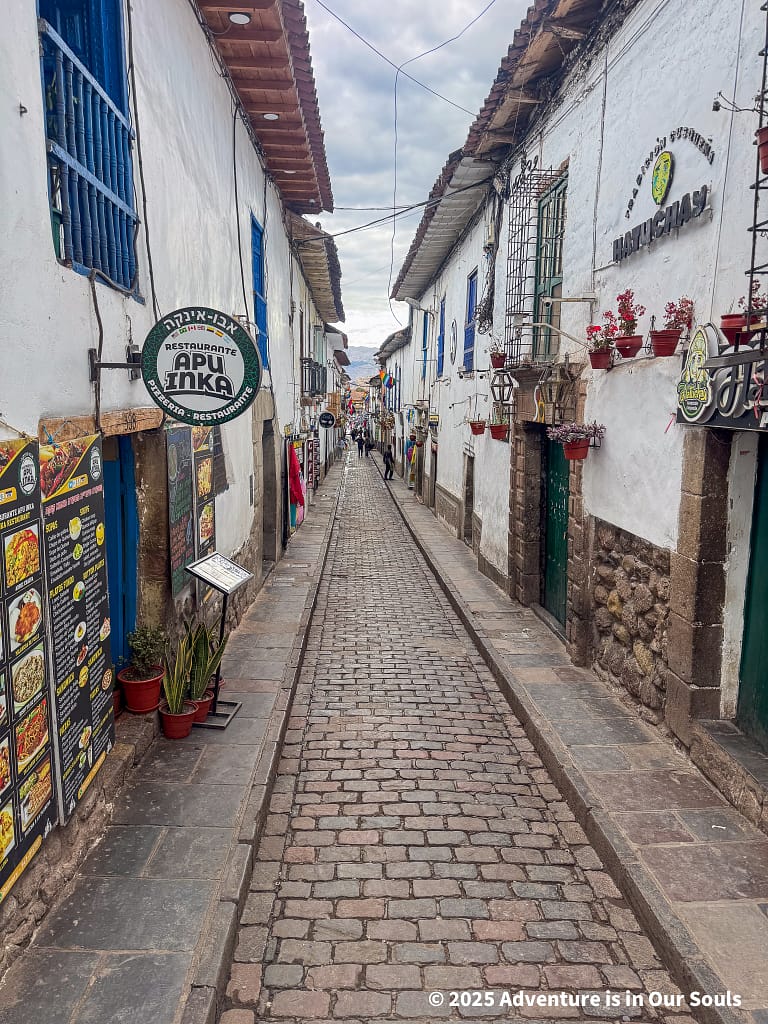
Another favorite stop was the San Pedro Market. It is bustling with life, colors, and delicious smells. We tried fresh juices and admired the displays of local produce, cheeses, and baked goods. There were also alpaca wool scarves and toys that made great keepsakes.
Everywhere you turn in the city center, you will find history, charm, and something new to discover. It is an area where you can easily spend days exploring!
Things to See in Cusco: Sacsayhuaman
Sacsayhuaman is one of the most impressive Inca sites we visited! It sits just above Cusco and is easy to reach by taxi or by a Cusco city tour. The size of the stones here is mind-blowing! Some are over 100 tons and fit together so tightly you cannot even slide a piece of paper between them.
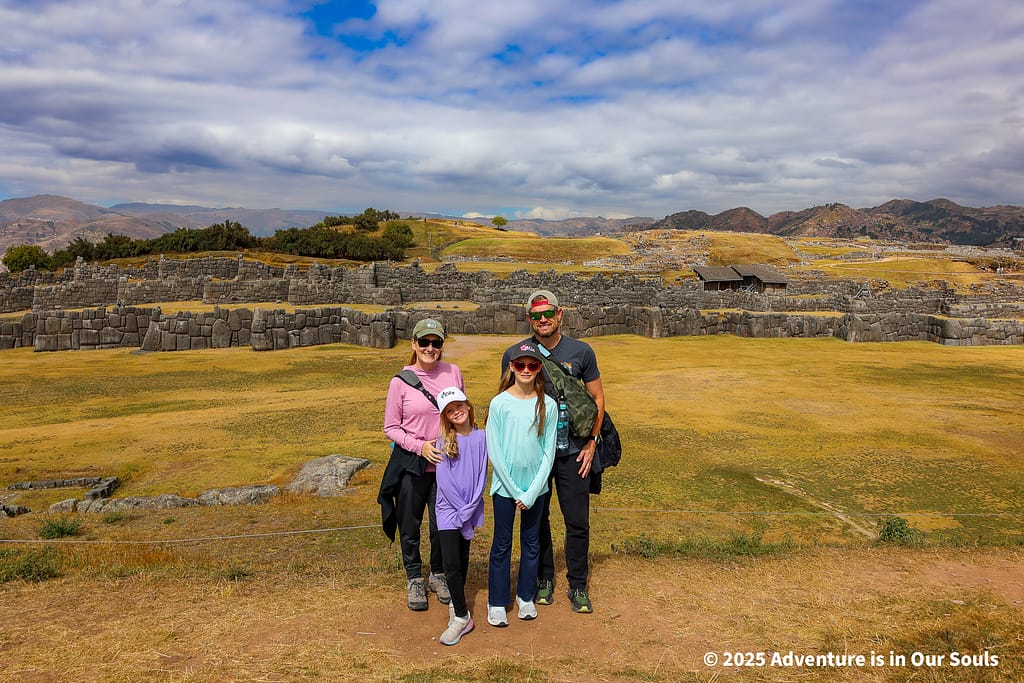
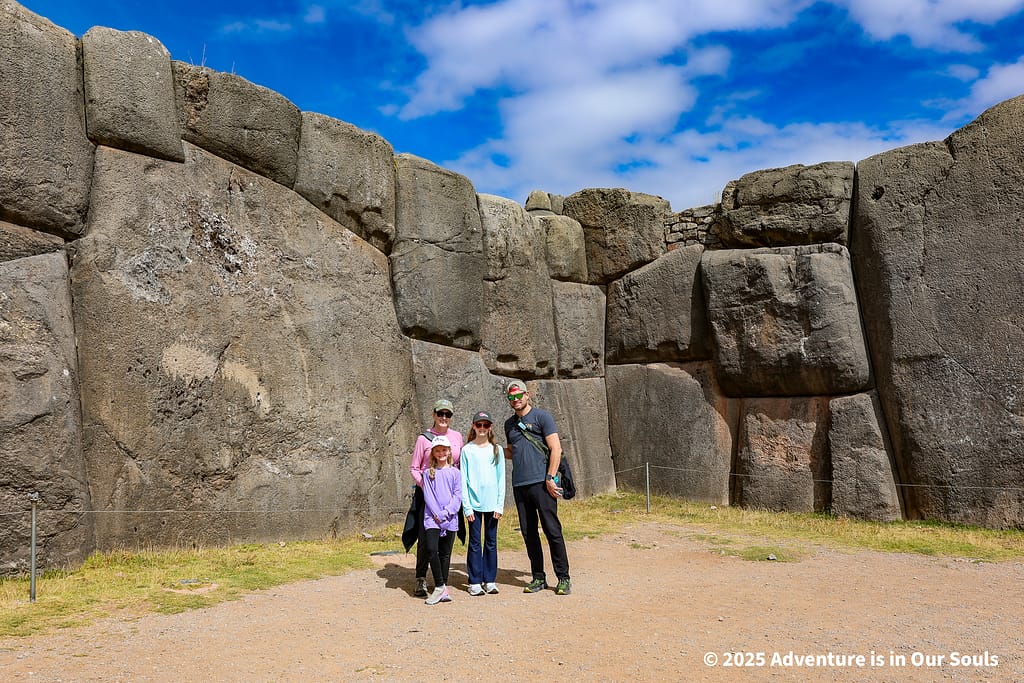
The site was once a fortress and ceremonial complex. Today, you can walk through open fields and stone walls that offer sweeping views of Cusco below. The girls had a blast running across the grass and climbing gently around the safe areas. We learned that this was one of the main sites used during Inti Raymi, and that the grand central area hosts thousands of people during the festival.
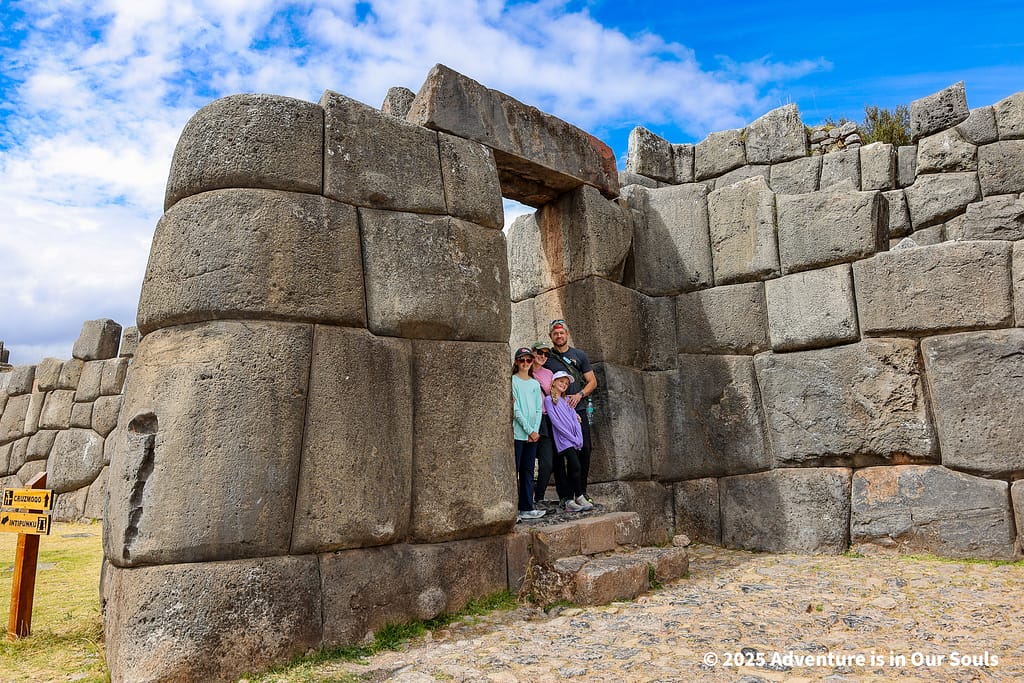
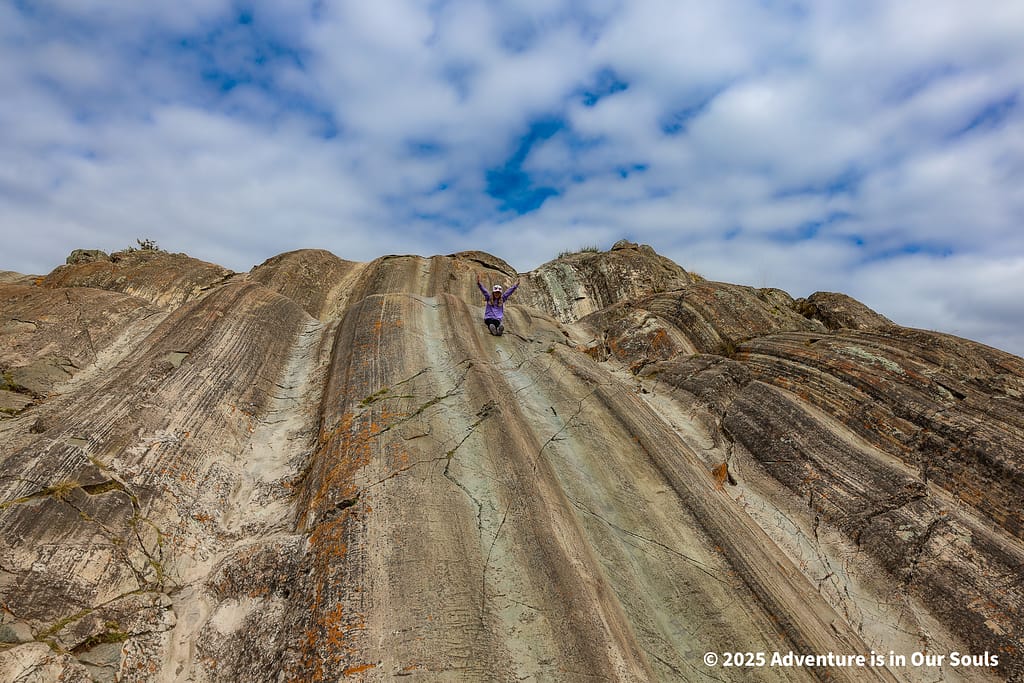
It felt peaceful and powerful all at once. Our guide explained the zigzag pattern of the walls, possibly meant to represent lightning. Whether you explore with a guide or on your own, Sacsayhuaman is one of the top things to see in Cusco.
Things to See in Cusco: Qengo
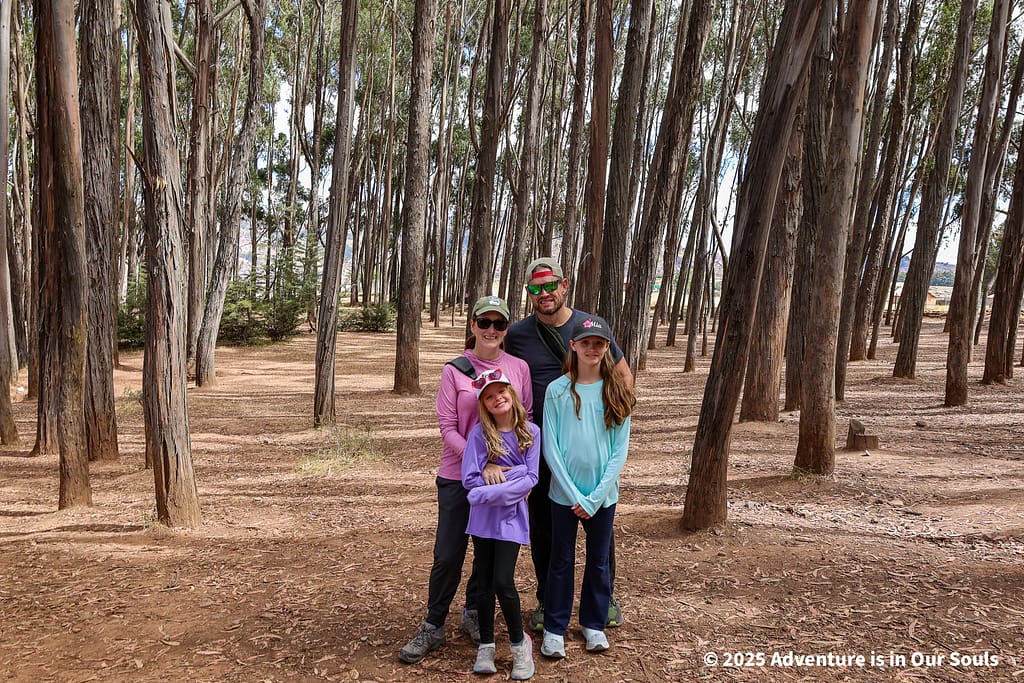
Located just a few kilometers from the city, Qengo is nestled in the hills and surrounded by peaceful eucalyptus trees. Qengo, which means “labyrinth” in Quechua, was used by the Inca for ceremonial purposes. The site includes carved stone altars, passageways, and a large natural outcrop with channels carved into the rock.
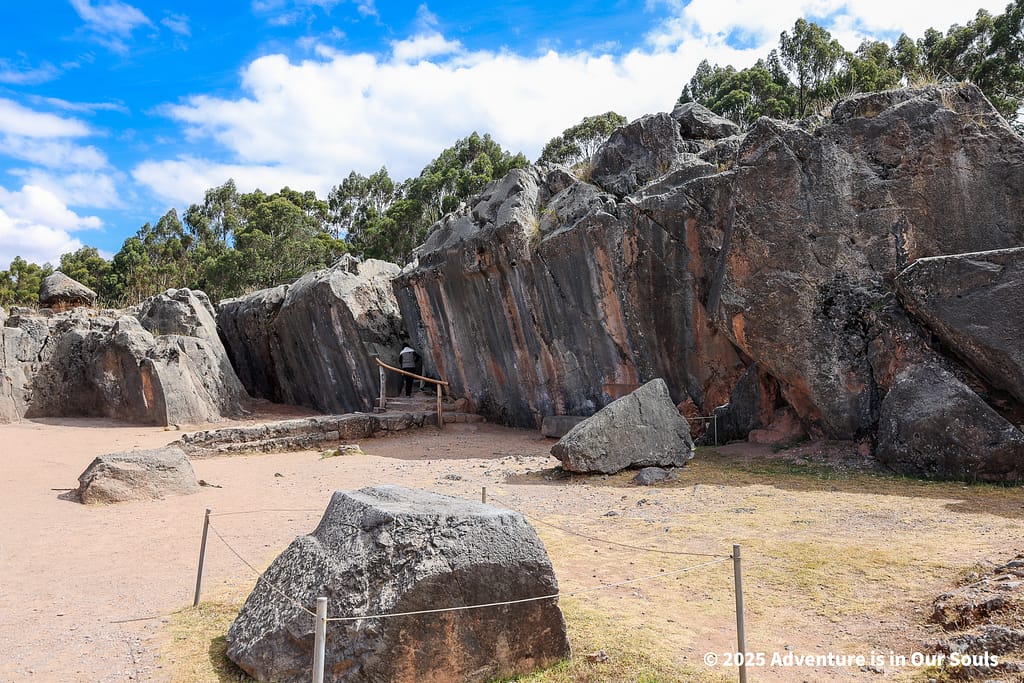
The most remarkable part of Qengo is its interior chamber, where light pours through a narrow opening at certain times of year. Around the Winter Solstice, sunlight streams in and illuminates a stone table thought to have been used for rituals. We visited just a day before the solstice and were lucky to see that golden beam shine right across the table! It gave us chills!
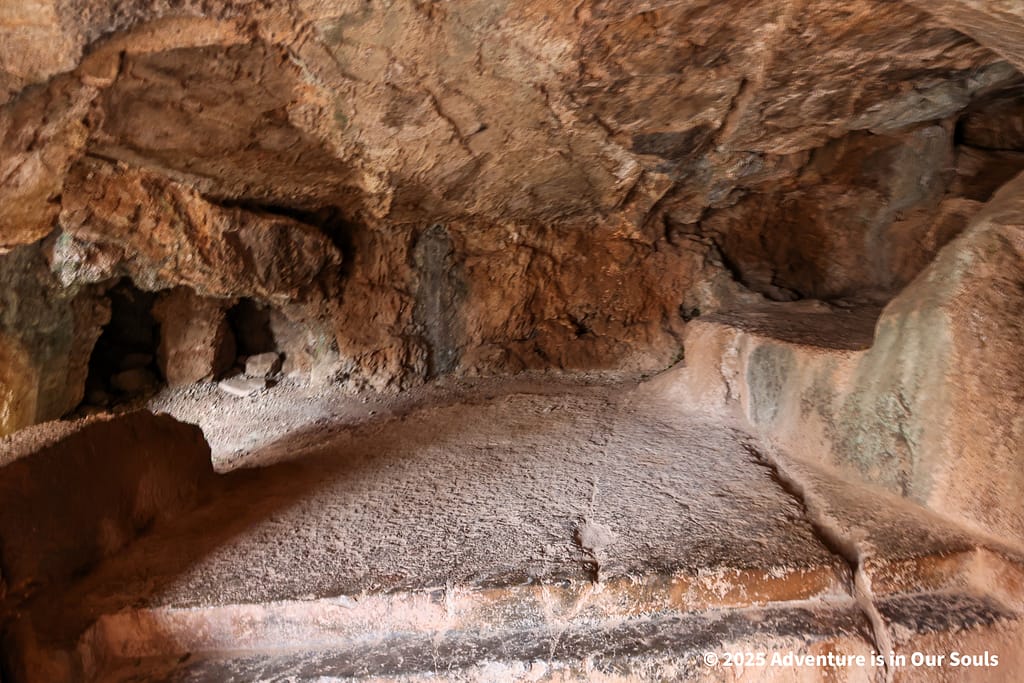
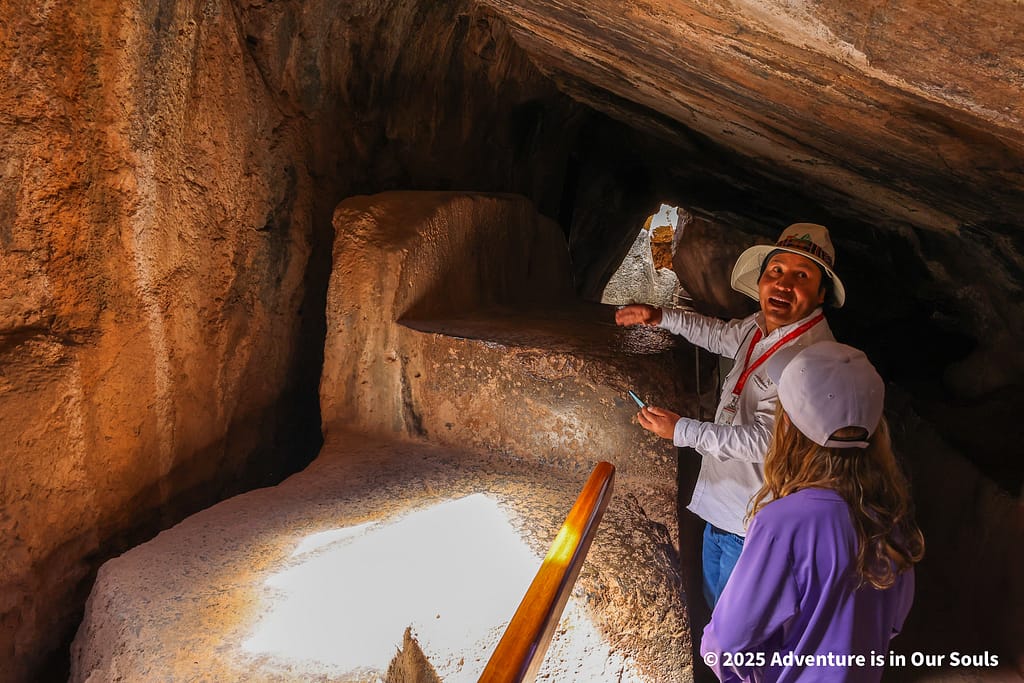
Walking through Qengo felt quiet and mysterious. There were fewer tourists, and the girls loved exploring the narrow passageways. We took our time, sat on the rocks, and imagined what kinds of ceremonies may have once taken place here. If you are in Cusco in June, definitely time your visit around the solstice. This site offers a unique and spiritual connection to the ancient Inca world.
Things to See in Cusco: Tambomachay
Tambomachay is another beautiful archaeological site located just outside of Cusco! It is often called the “Bath of the Inca” and is known for its flowing water channels and stone fountains. This serene site is believed to have been used for ceremonial bathing and water worship. You can get there by a short taxi ride or as part of a Cusco tour that includes Qengo and Puka Pukara.
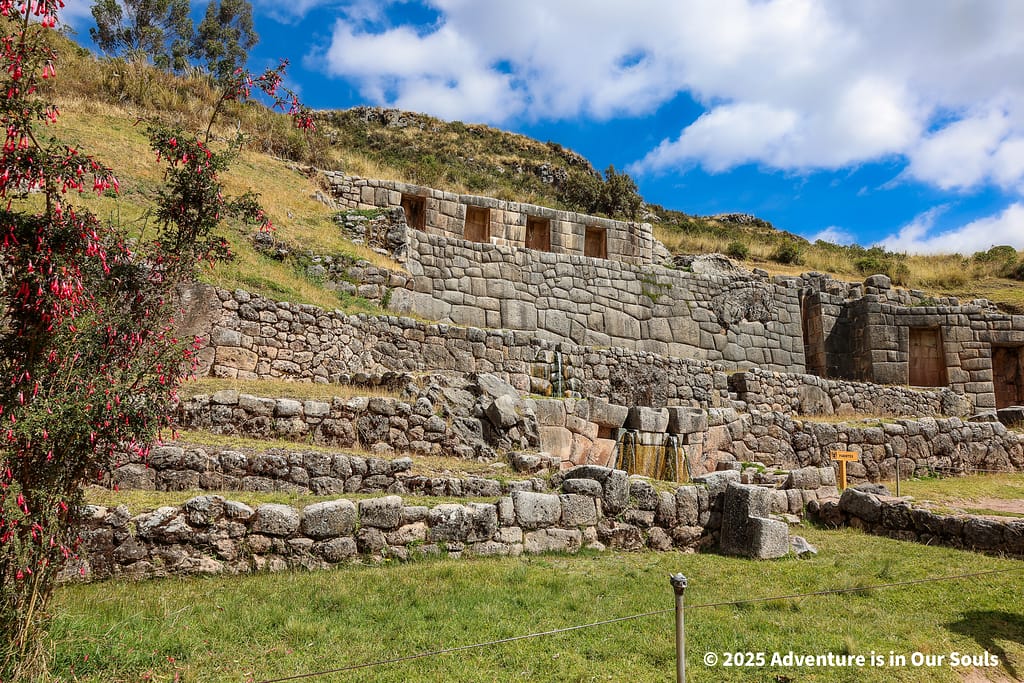
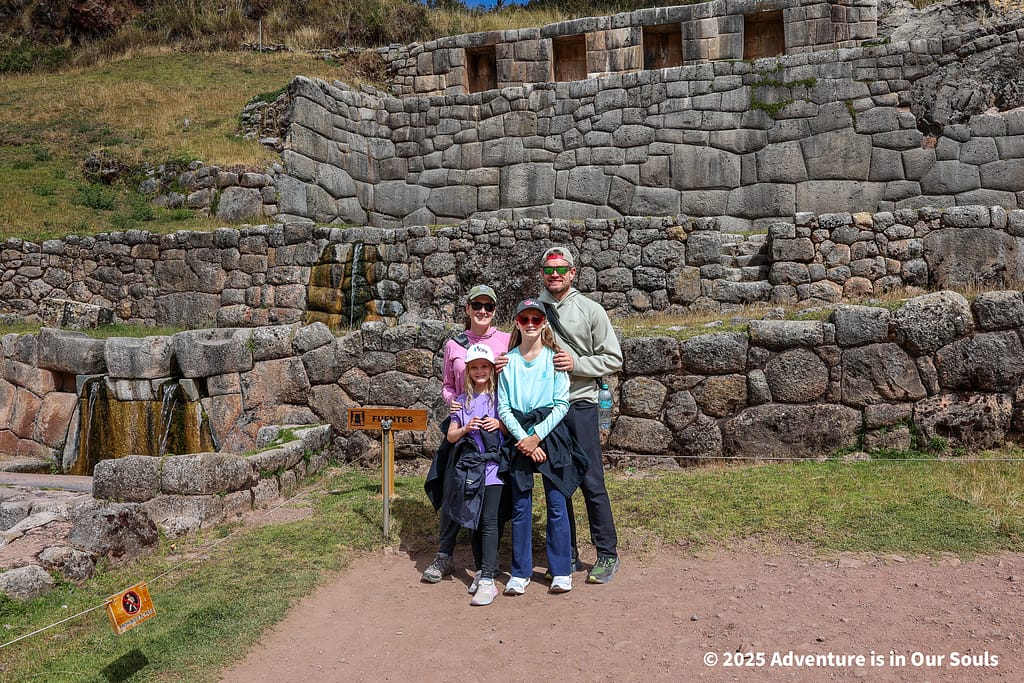
We loved how peaceful it felt at Tambomachay. The sound of water flowing from the ancient aqueducts gave the whole place a soothing atmosphere. The Inca were masters at water engineering, and it was amazing to see these still-working fountains in the middle of the Andes.
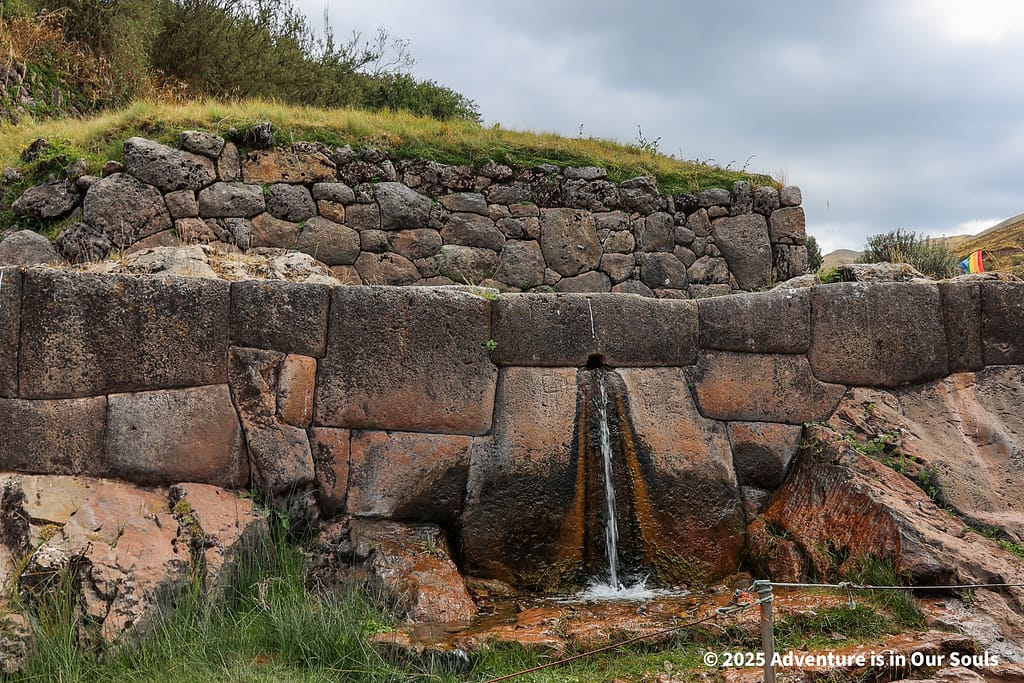
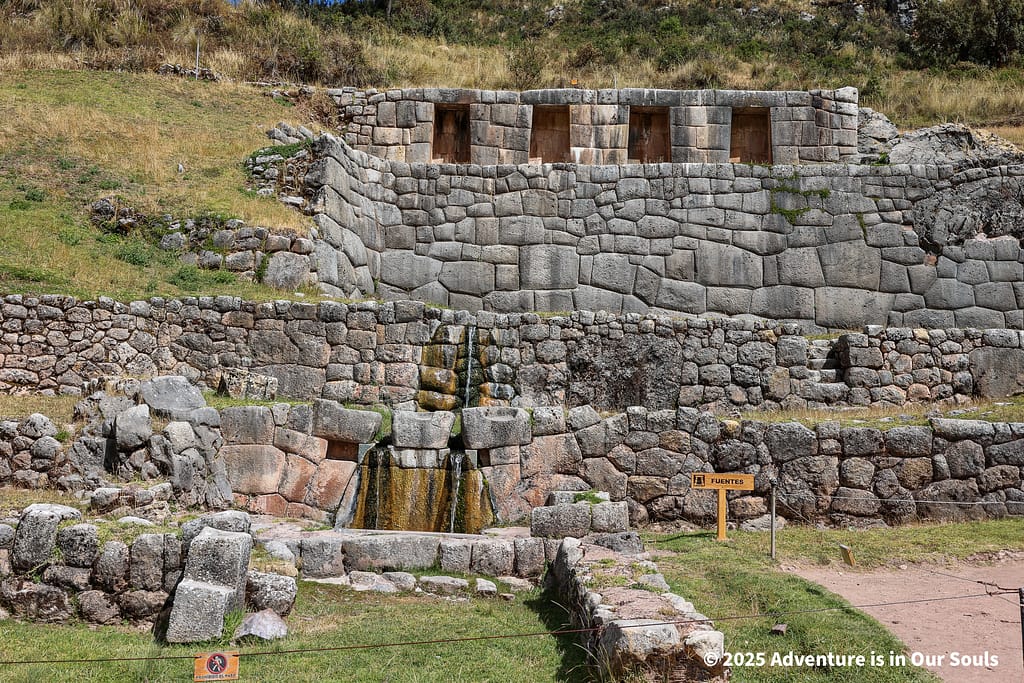
The hike up to Tambomachay is gentle and scenic, making it a great spot for families. The air felt crisp and clean, and the views were gorgeous.
Tambomachay was a perfect blend of nature and history. It may not be as massive as Sacsayhuaman, but it felt like a hidden gem.
Things to See in Cusco: Puka Pukara
Just across the road from Tambomachay is Puka Pukara, a small but impressive archaeological site with incredible views! The name means “Red Fortress” in Quechua, likely because of the reddish tint of the stones at sunset. This site was thought to be a military post and resting place for travelers heading into the Sacred Valley.
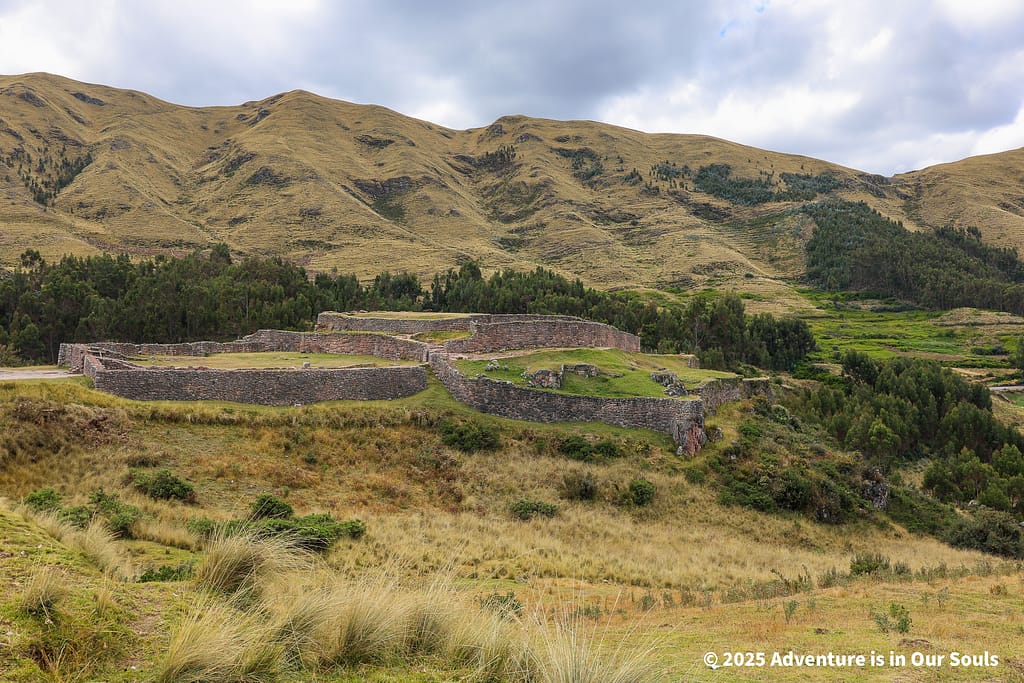
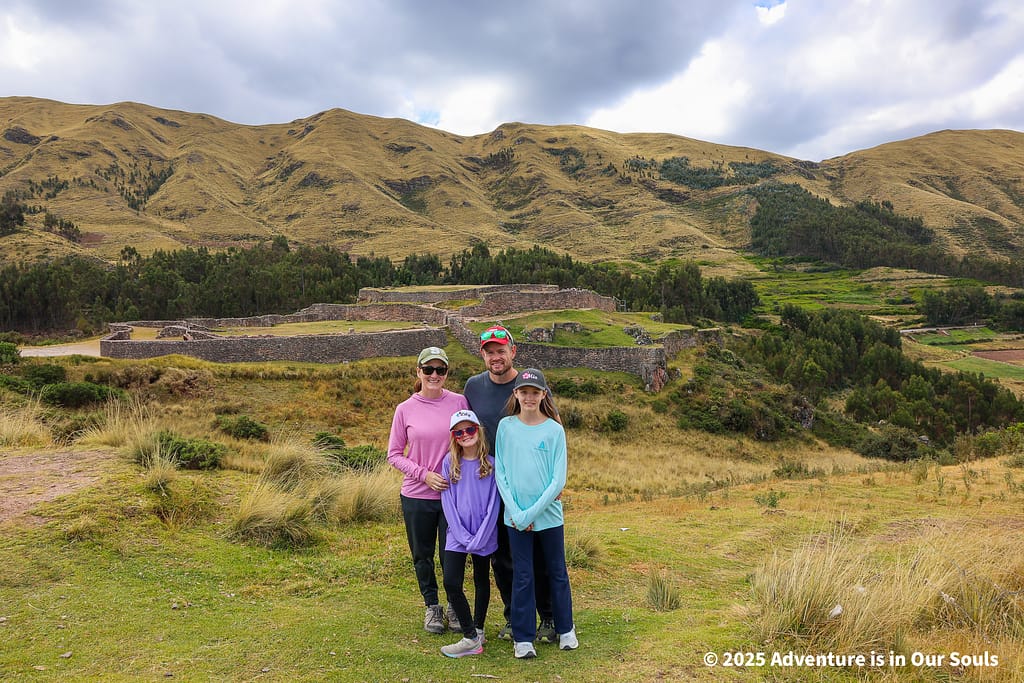
We climbed up the terraced ruins and were rewarded with a sweeping view of the surrounding hills. From the top, we could see the valley stretch out below us and watch the clouds drift across the sky. It was stunning!
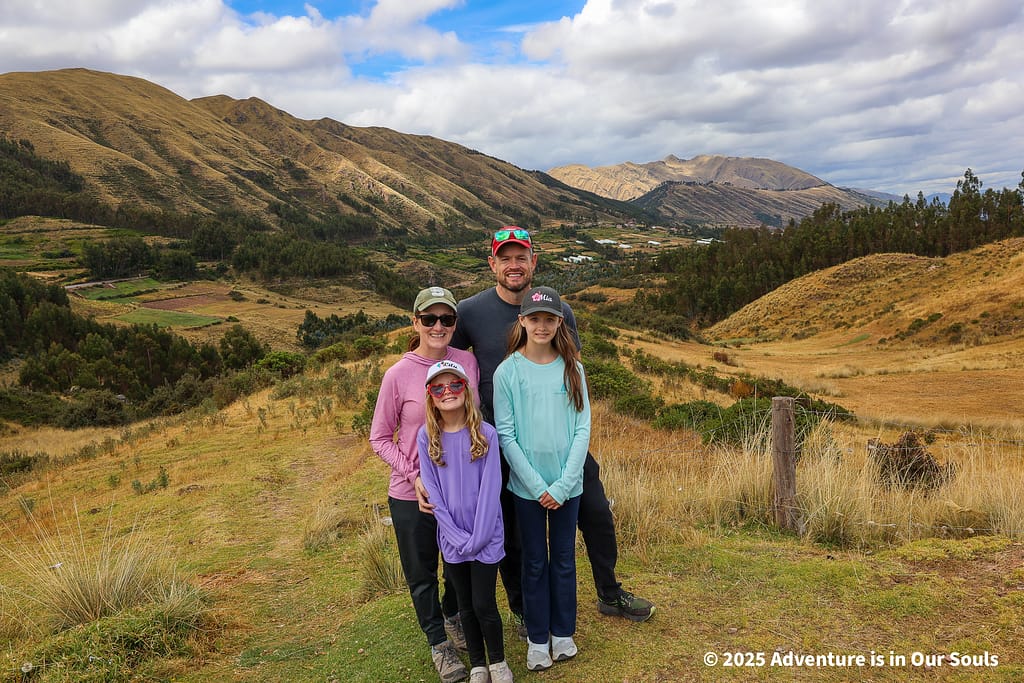
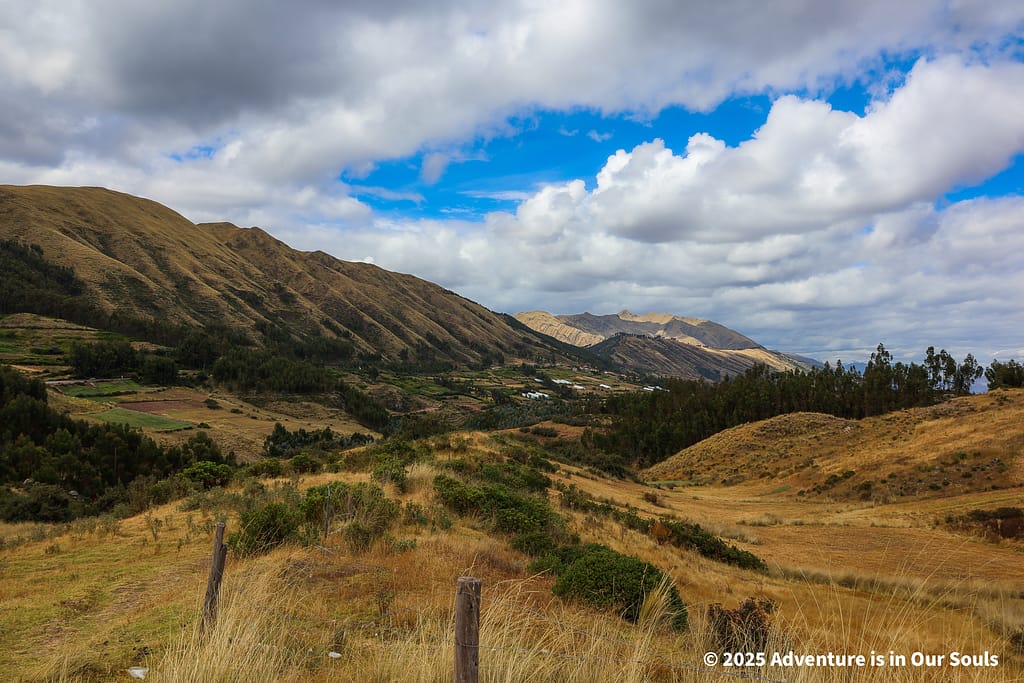
This site is not large, but it makes a fun stop combined with Tambomachay and Qengo. It adds another piece to the puzzle of how the Incas moved and protected their lands.
There are interpretive signs at the entrance to help explain the purpose of the structures.
Where to Interact with Peruvian Camelids: Awana Kancha
During our Cusco city tour, we stopped at Awana Kancha, a living museum dedicated to traditional Andean weaving and camelid animals. This was such a fun and educational visit for our whole adventure travel family!
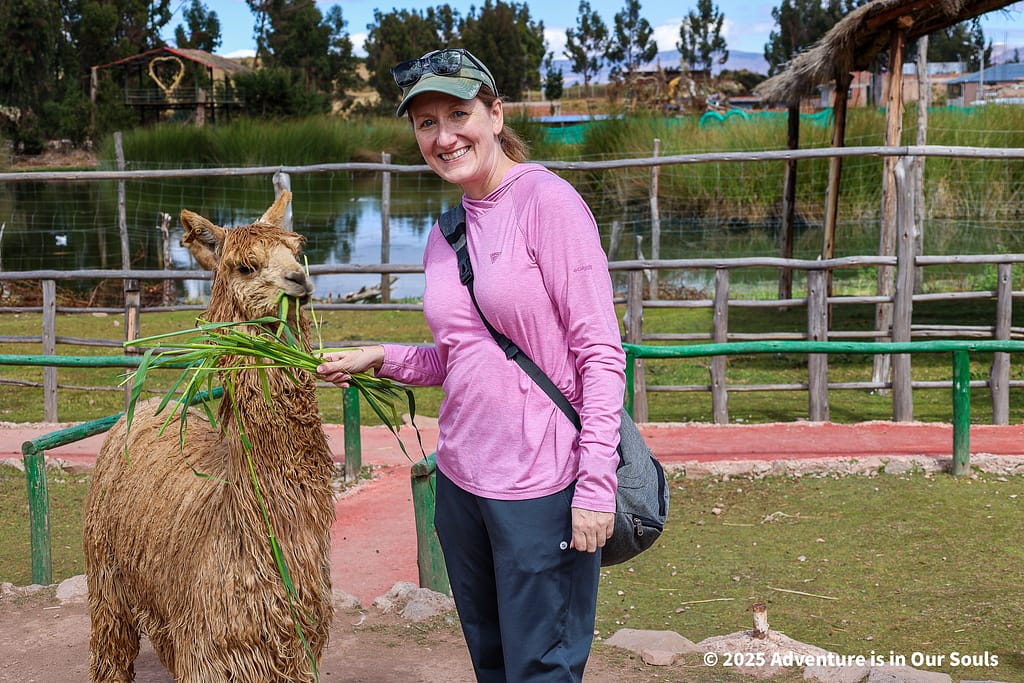
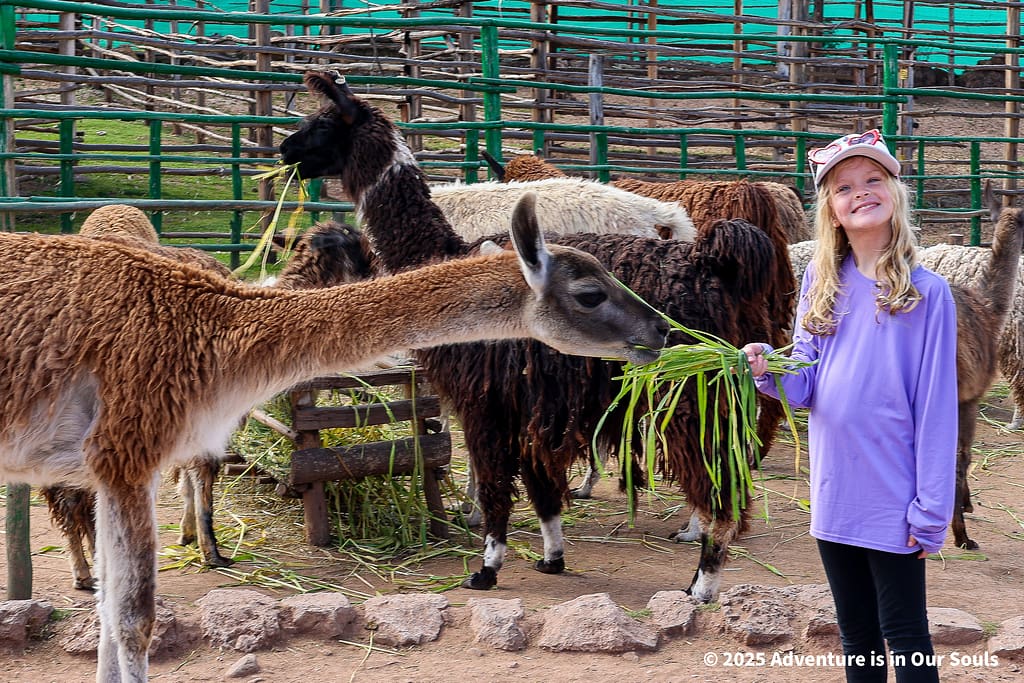
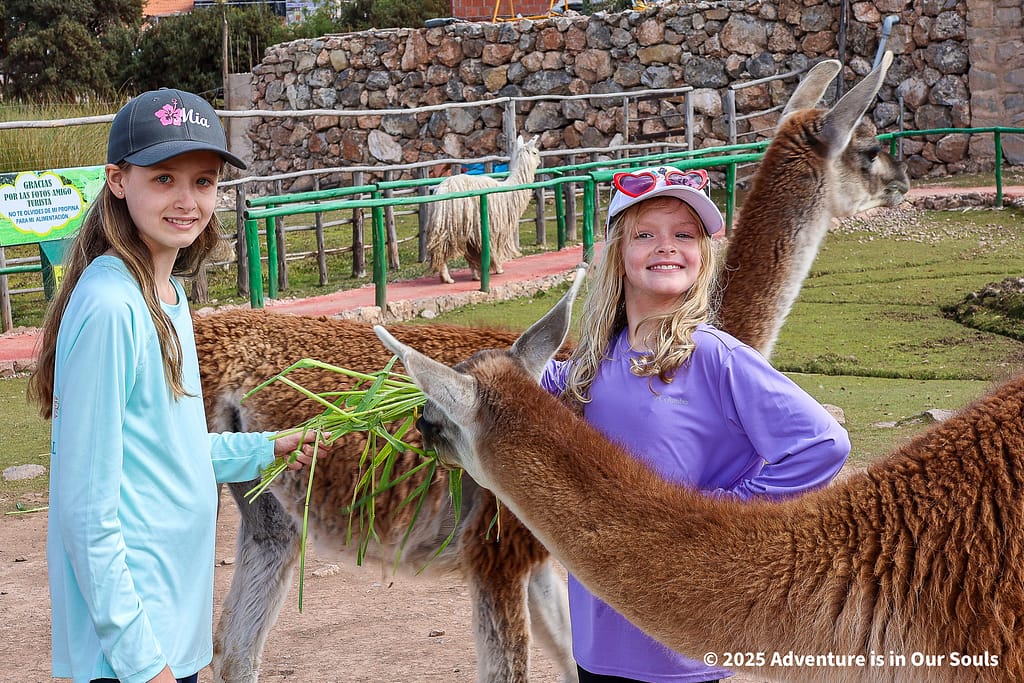
Awana Kancha is home to llamas, alpacas, vicuñas, and guanacos. We were able to feed them by hand and get up close to these sweet, furry creatures. Spider Monkey could not stop giggling at the llamas’ funny faces! Buttercup loved learning to tell the difference between the different types of animals.
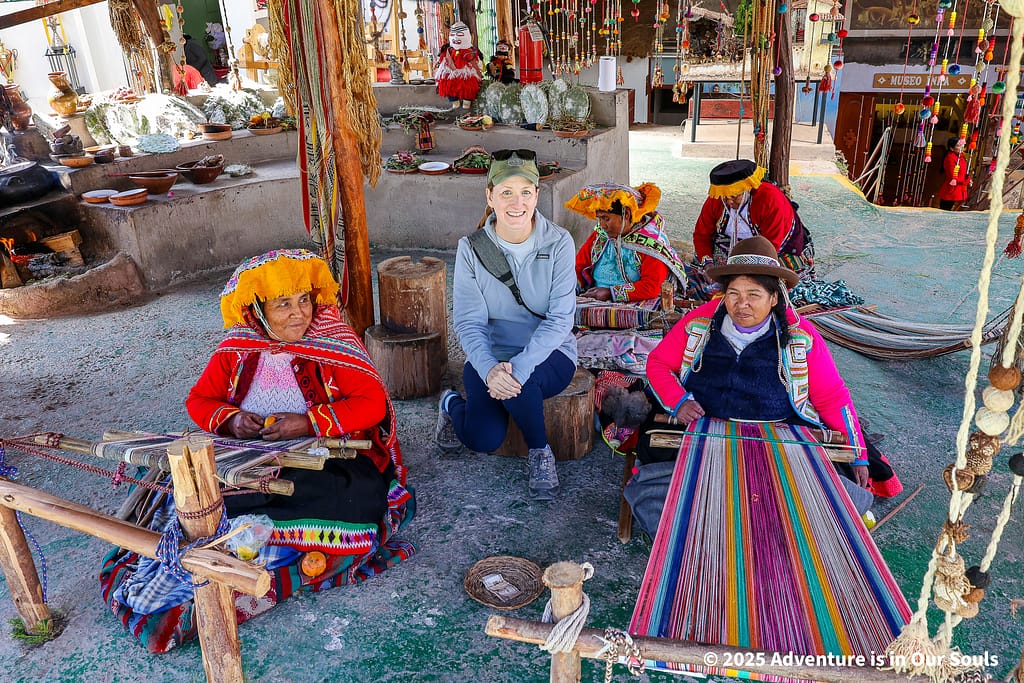
Inside, we watched weavers at work using ancient techniques with natural dyes and traditional looms. They explained the meaning behind the patterns and how different plants are used to create vibrant colors. We gained a whole new appreciation for the skill and time that goes into each piece of textile art.
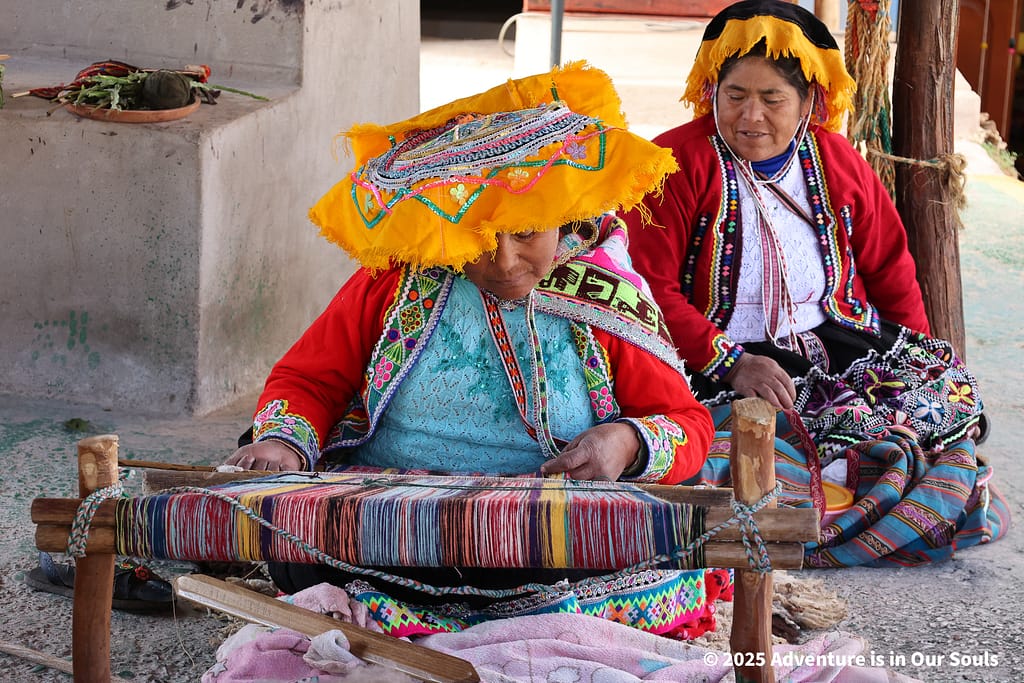
There is also a small shop where you can purchase handmade scarves, blankets, and other beautiful souvenirs. Prices are fair and support the local communities.
Where to Interact with Peruvian Camelids: Manos de la Comunidad Farm
We visited Manos de la Comunidad Farm on our way to Ollantaytambo, and it turned out to be one of the most memorable experiences of our entire trip! Located near the Sacred Valley, this community-run farm celebrates Andean traditions through agriculture, animal care, and cultural exchange.
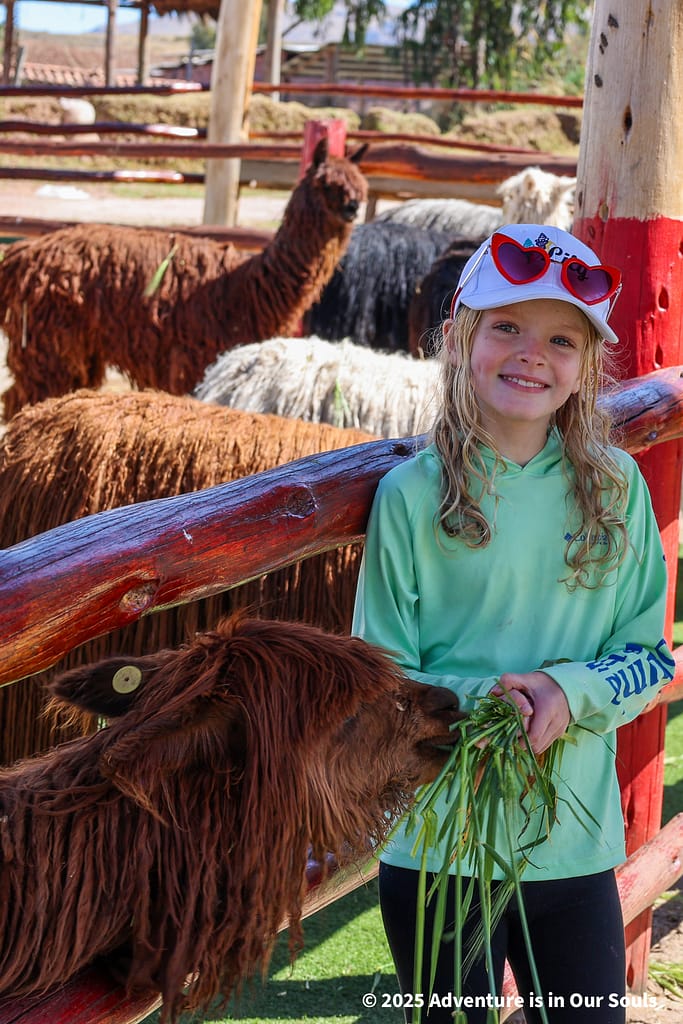
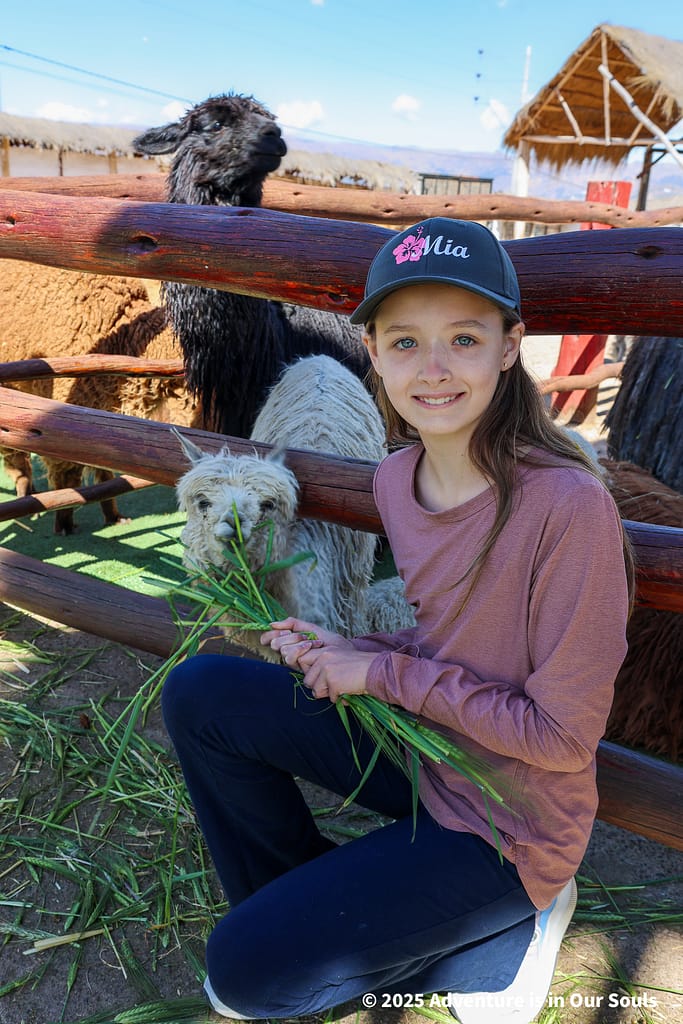
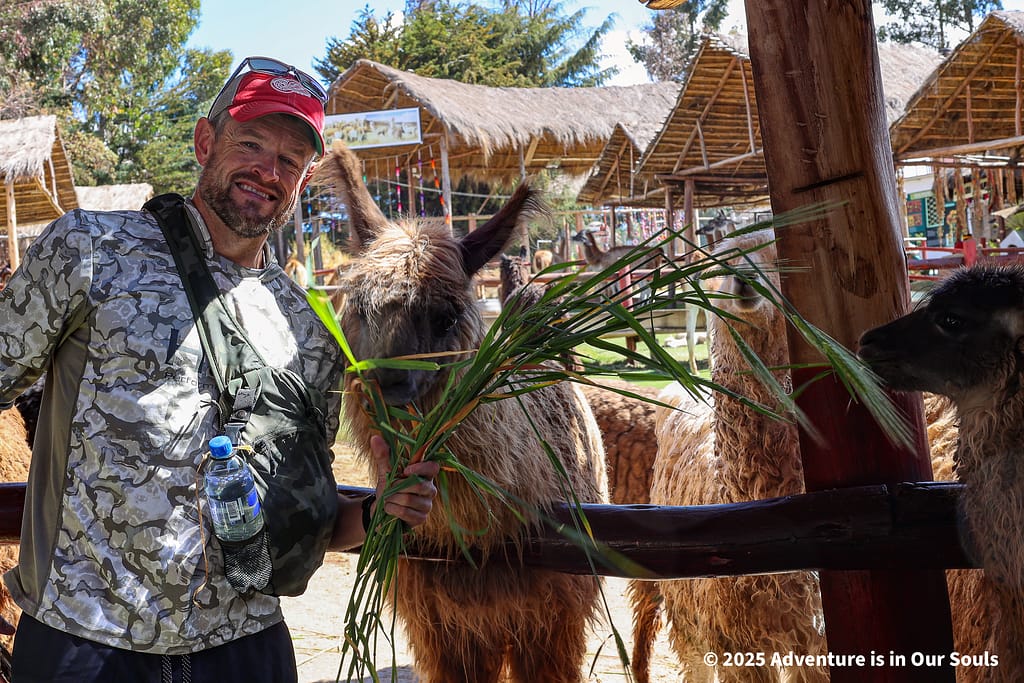
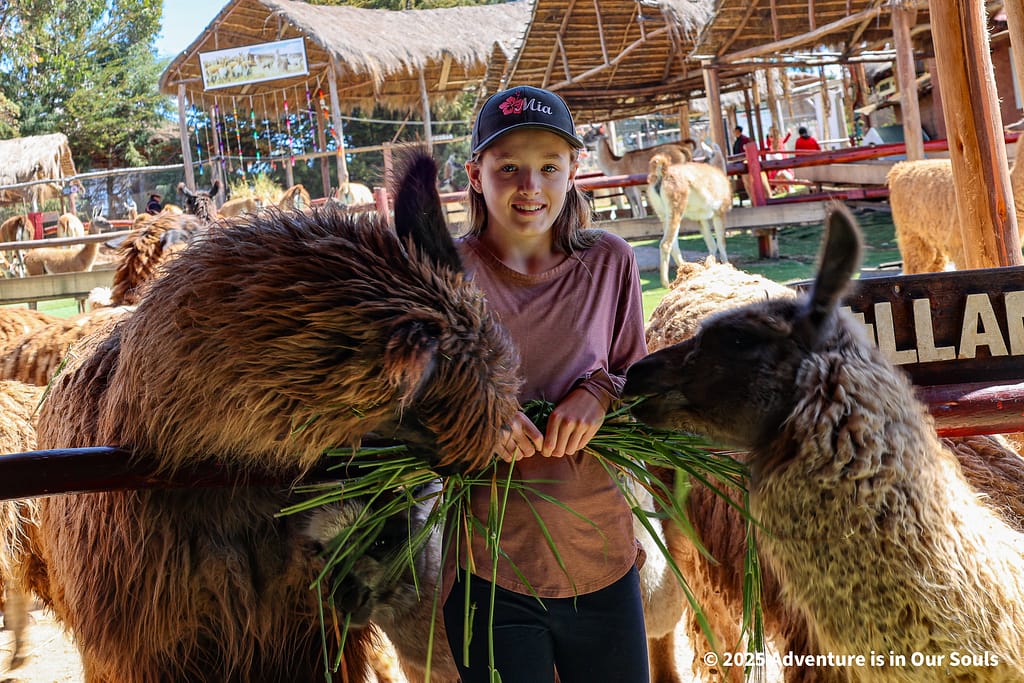
We focused our visit on interacting with the camelids, and the experience felt even more personal and hands-on than at any other place. We had the chance to feed and pet llamas and alpacas in a peaceful, open setting. The girls were thrilled!
A special highlight was meeting a few local girls around Buttercup’s age who were learning English. They offered to show us around the farm and quickly became little tour guides! They introduced the girls to their kitten and guinea pigs. There was also a curious wild whitetail deer wander in to nibble on food left out for the animals.
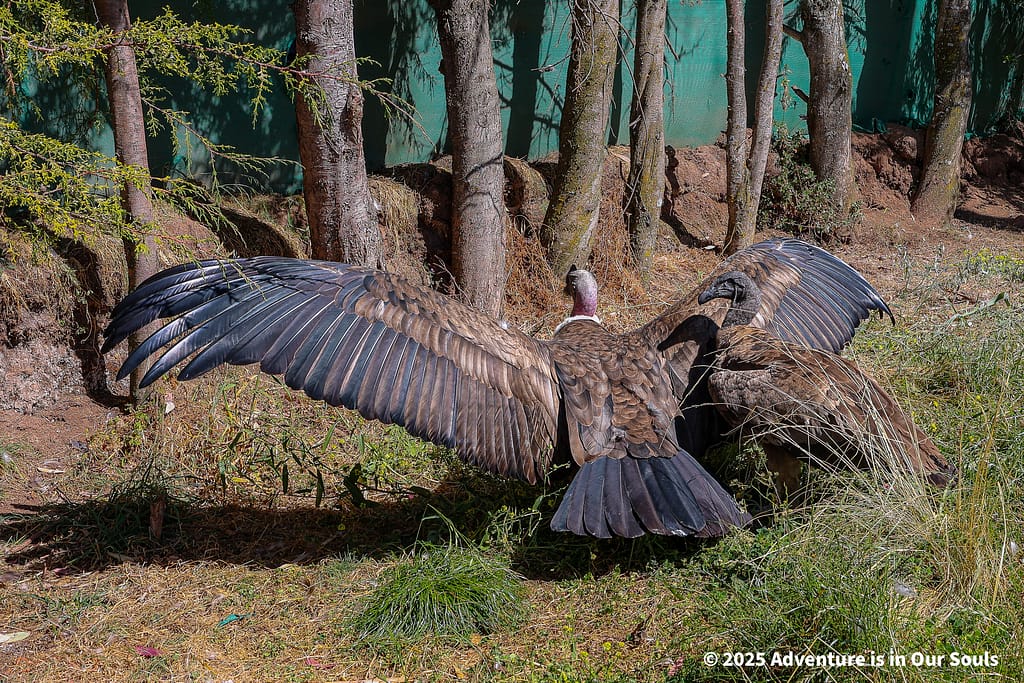
Another unforgettable moment was seeing the Andean condors. These massive birds mate for life, and we saw a beautiful male-female pair perched together. Their presence felt powerful and majestic.
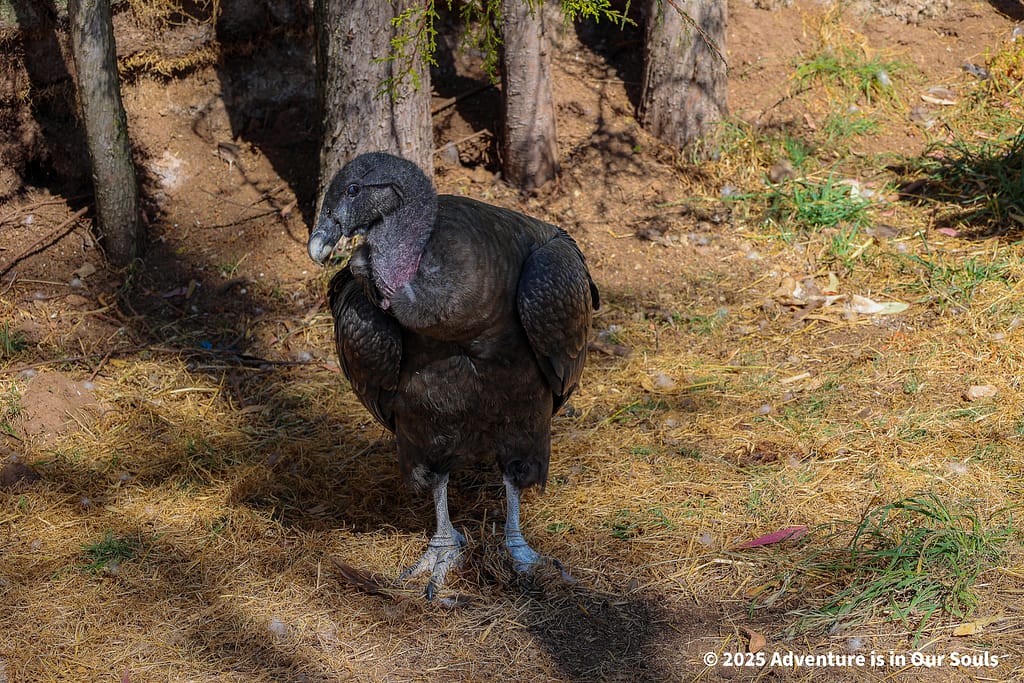
This visit was full of sweet connections and simple joys. We loved how natural the setting felt and how welcoming the community was. It was a wonderful way for the girls to interact with locals and animals alike.
June Festivals
June is the most magical time to visit Cusco! The whole city bursts into celebration with festivals, parades, and traditional dancing. We arrived just before the Winter Solstice, and every day brought a new surprise.
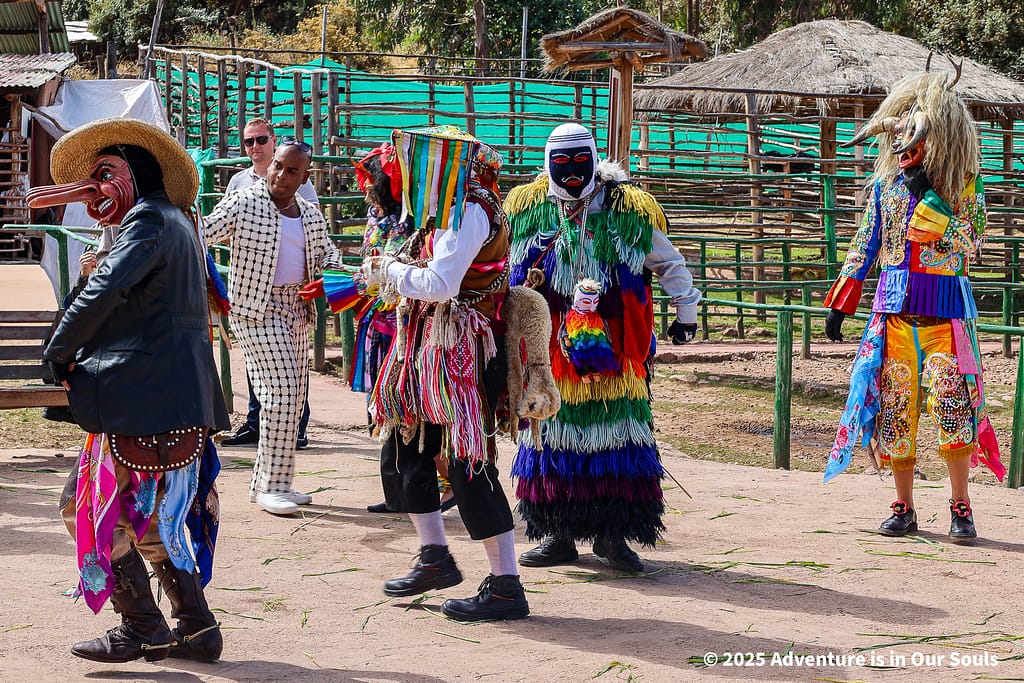
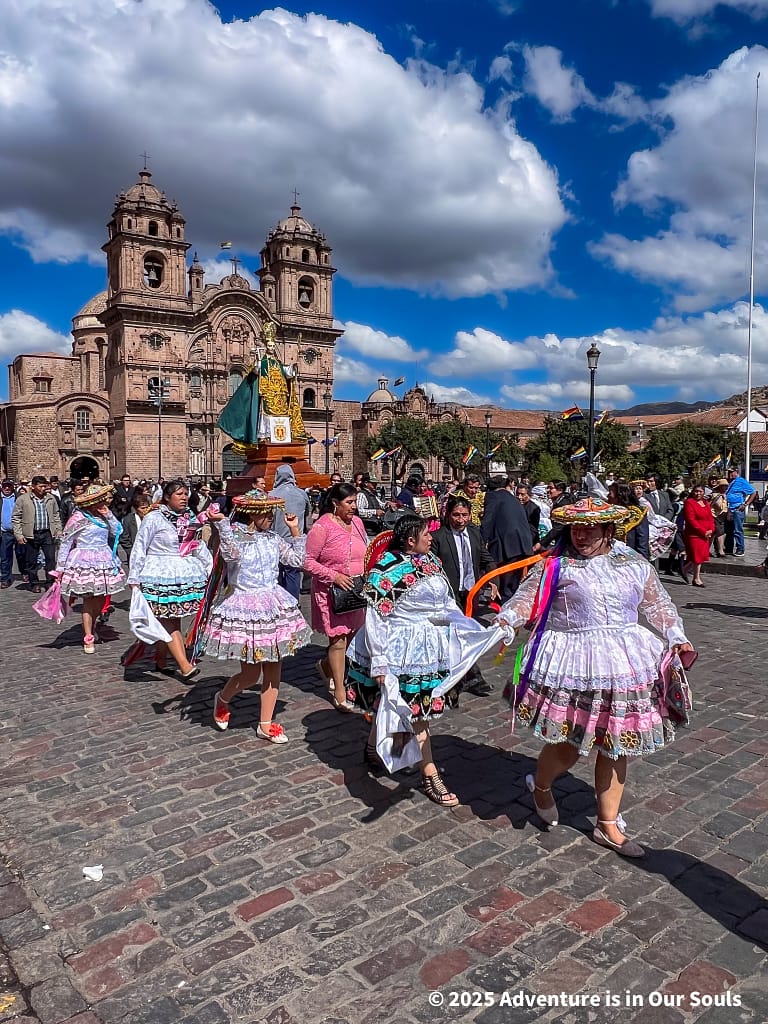
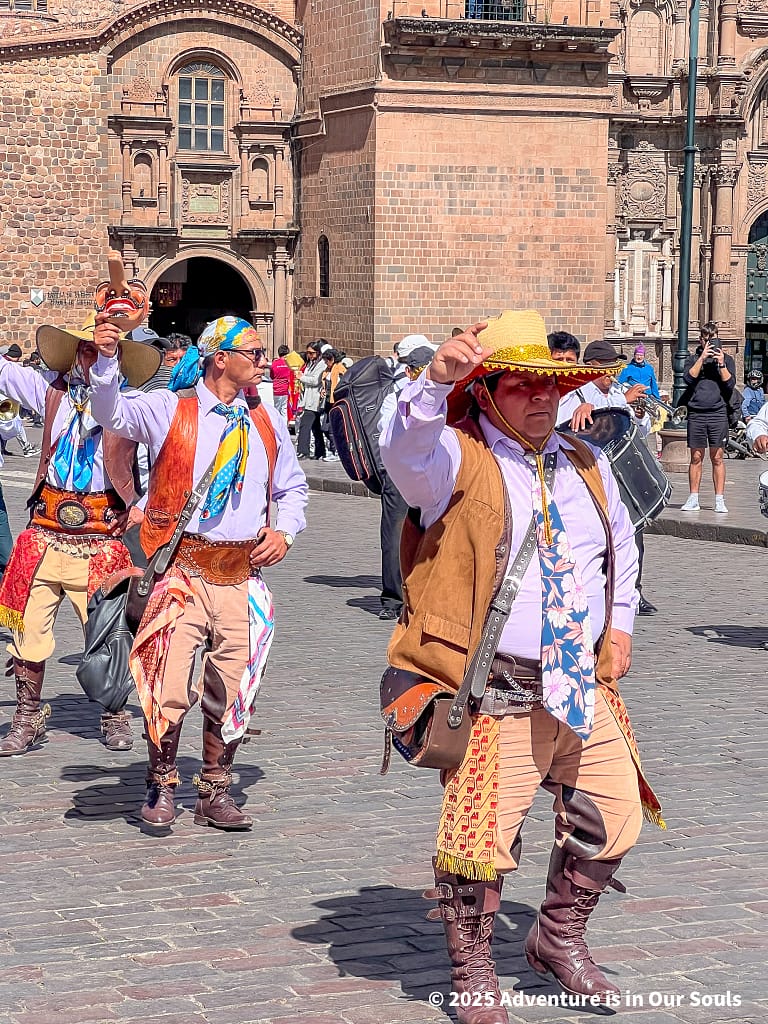
The streets were filled with color and music! We saw groups of dancers in vibrant costumes performing in the plazas. Flags and flowers decorated balconies. There was a joyful energy everywhere we went.
These festivals are more than entertainment. They are powerful expressions of cultural pride and ancestral tradition. The girls were captivated by the storytelling in the dances and the beauty of the costumes. We could feel the deep connection between the people and their past.
We recommend visiting during this festive season if you can. It added such richness to our trip. Bring your camera, find a good spot on the plaza, and get ready to be amazed. Cusco in June is an unforgettable celebration!
Winter Solstice
The Winter Solstice marks the shortest day of the year and holds deep spiritual meaning in the Andes. For the Inca, this was a sacred time dedicated to the sun god Inti. The solstice signaled the return of longer days and was seen as a moment of renewal and hope.
Being in Cusco for the solstice felt truly special. At sacred sites like Qorikancha and Qengo, we learned how sunlight plays an important role. In ancient times, priests would observe the sun’s movements and perform ceremonies to honor its power.
Locals spoke about the solstice with reverence, and many modern Peruvians still observe it with rituals and community gatherings. This experience gave us a deeper understanding of how closely the Inca lived in harmony with nature. The solstice was not just a moment on the calendar. It was a celebration of life itself.
Inti Raymi
Inti Raymi is one of the most important festivals in Peru, and we were thrilled to witness it in Cusco! Celebrated every June 24, it honors Inti, the Inca sun god, and marks the Winter Solstice. The festival has deep roots in Inca tradition and was once the empire’s most sacred holiday.
Today, Inti Raymi is a powerful reenactment that brings history to life! The grand procession began at Qorikancha, moved through the Plaza de Armas, and ended at Sacsayhuaman. Performers wore colorful costumes and played traditional music. The Sapa Inca was carried high on a golden throne.
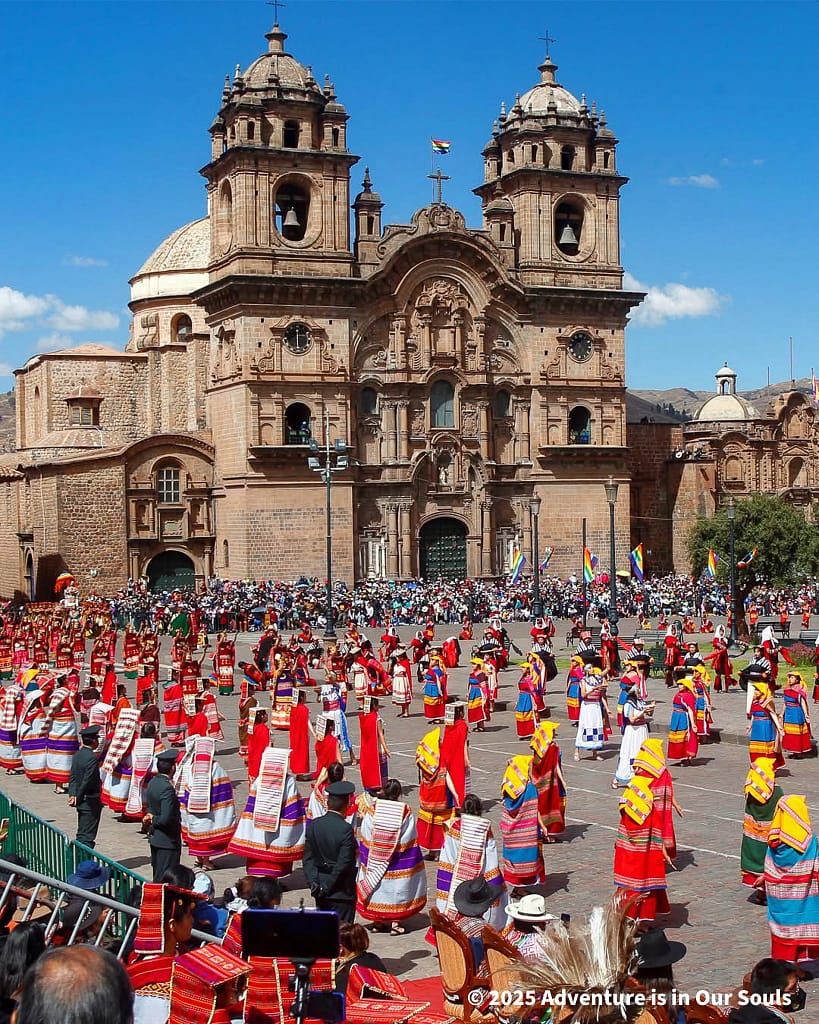
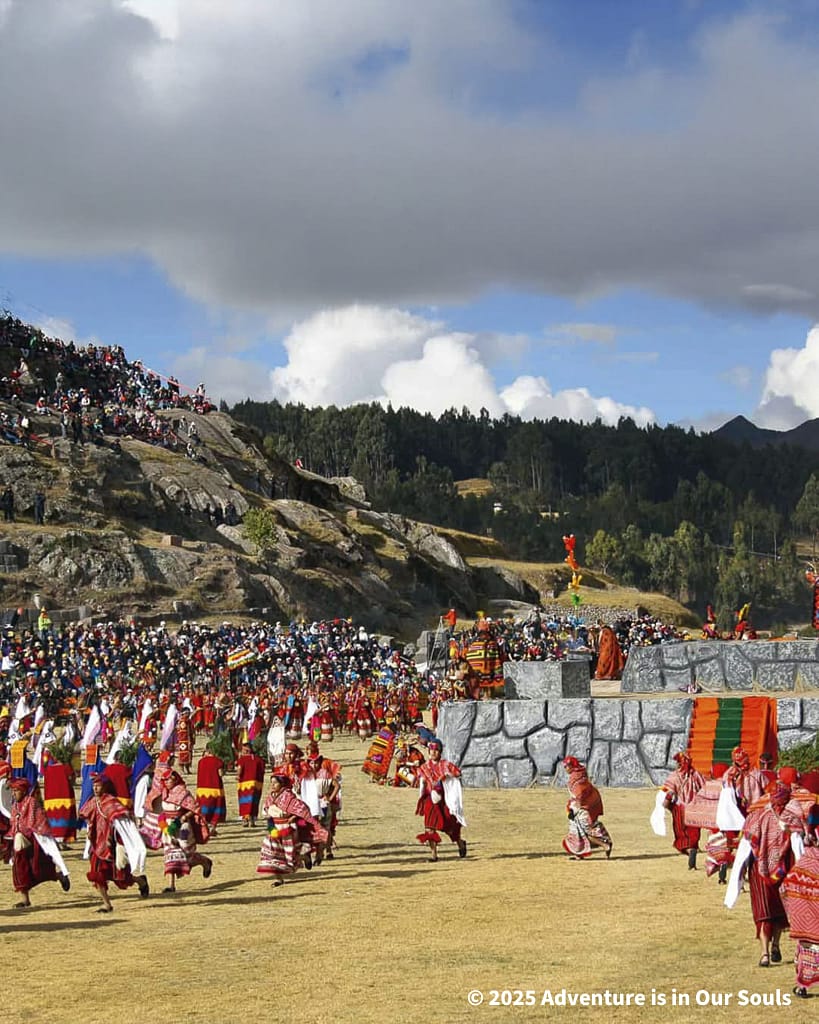
Thousands of people gathered to watch, and the energy was electric. It is like stepping into a time machine. This was not just a show. It was a heartfelt tribute to ancestry and the rhythms of the Earth.
Cusco’s Birthday
Did you know that Cusco has a birthday? Every June 24, alongside Inti Raymi, the city also celebrates its founding. The celebration lasts for weeks, with parades, concerts, and lots of local pride!
The streets come alive with traditional dances, colorful costumes, and community events. We watched students march in school uniforms, followed by musicians and dancers in sequins and feathers. Each group seemed more spectacular than the last!
Family Verdict
Our time in Cusco was unforgettable! From the moment we arrived, we were swept up in the color, history, and joy of this incredible city. Exploring the ruins, dancing in the streets, and experiencing the Winter Solstice felt like something out of a dream. The girls could not get enough of the alpacas and dancing. We, parents, were blown away by the culture, kindness, and sheer beauty of it all. Cusco is a place that invites you to slow down, look closely, and listen deeply.
Cusco is more than just a destination. It is an experience that touches the heart. We left with full hearts and memories we will treasure forever!
Make sure to check out our nearby adventures in Paracas, Huacachina, Arequipa, Cusco, the Sacred Valley, Ollantaytambo, and Machu Picchu. Also, follow along on our full 10-day family adventure through Peru!
Follow along on our other amazing family travel adventures at www.adventureisinoursouls.com.