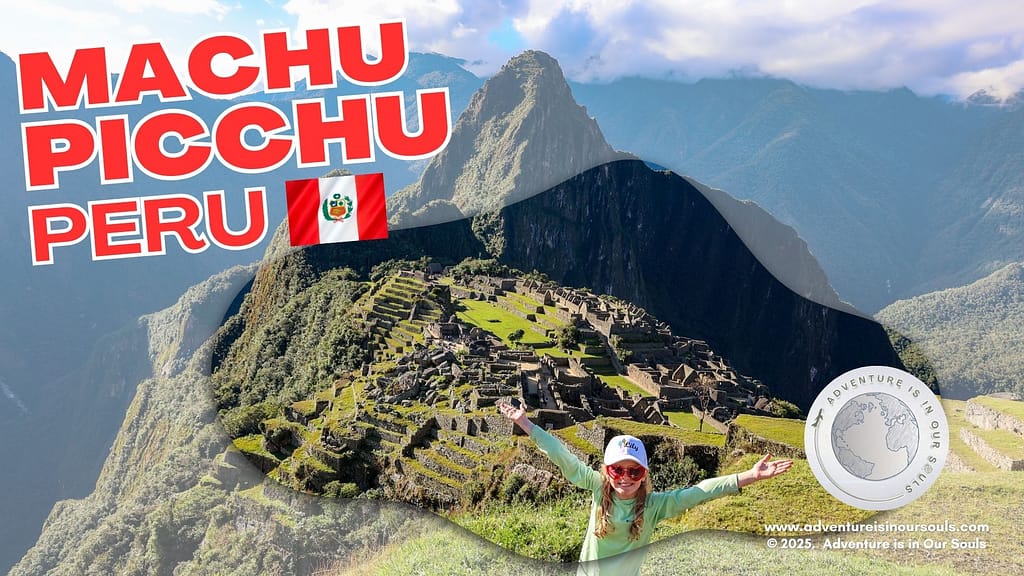
Visiting Machu Picchu is a once-in-a-lifetime experience! We were amazed by the breathtaking mountain views, captivating history, and the joy of seeing our girls marvel at the ancient pathways. Whether you are history buffs or simply love jaw-dropping scenery, Machu Picchu is unforgettable! But planning a family-friendly visit can be overwhelming. From choosing circuits to understanding ticket rules and planning transportation, there is a lot to consider. We are here to help! In this guide, we will walk you through everything you need to know about visiting Machu Picchu with kids, including all three circuits we experienced firsthand. Let’s dive into the magic and mystery of one of the world’s most iconic destinations!
What is Machu Picchu?
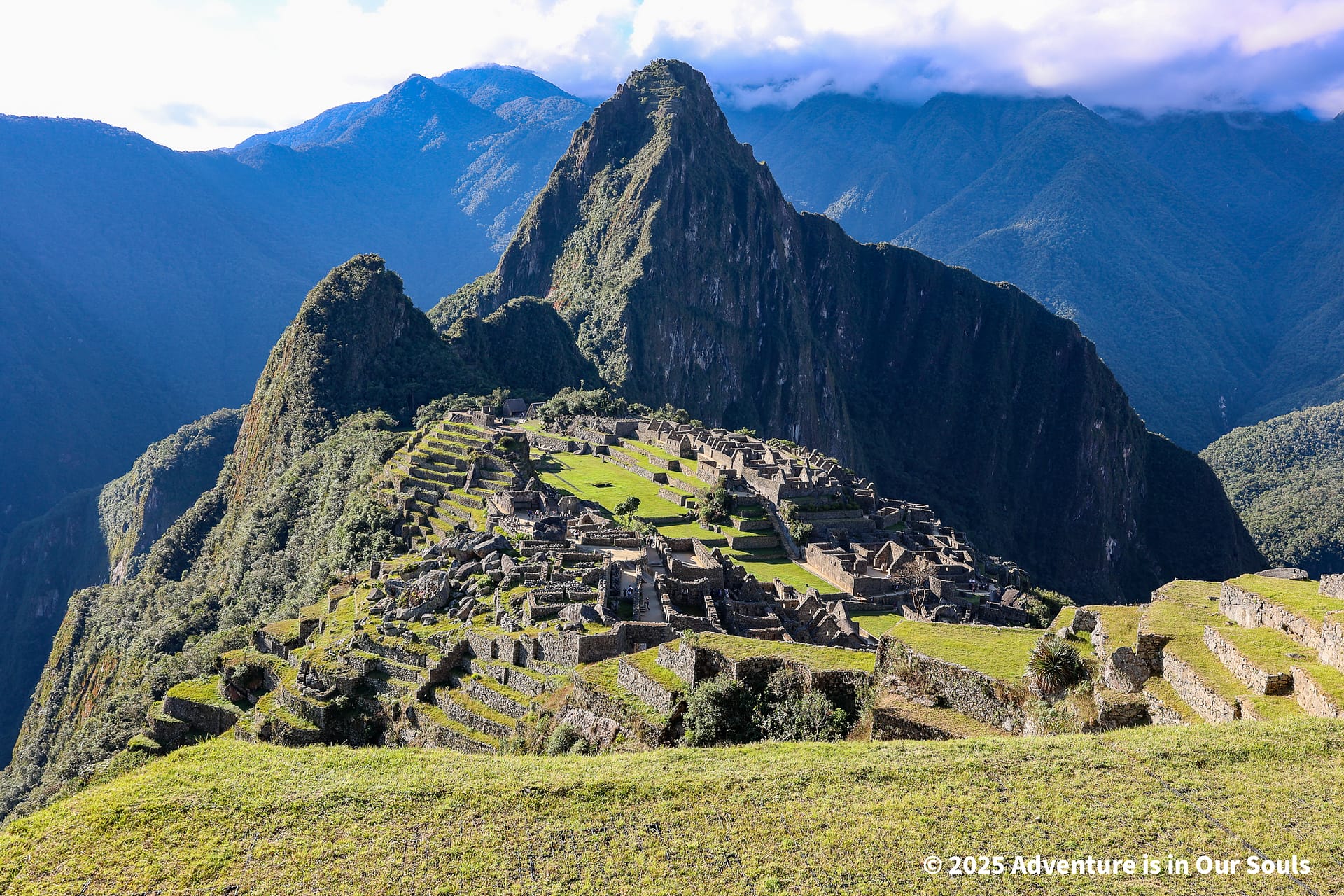
Machu Picchu is an ancient Incan citadel nestled high in the Andes Mountains of Peru. Built in the 15th century, it served as a royal estate or sacred religious site. Hidden from the outside world for centuries, it was rediscovered in 1911. The site includes agricultural terraces, temples, palaces, fountains, and homes. It is surrounded by lush cloud forest and steep cliffs that add to its mystery and charm.
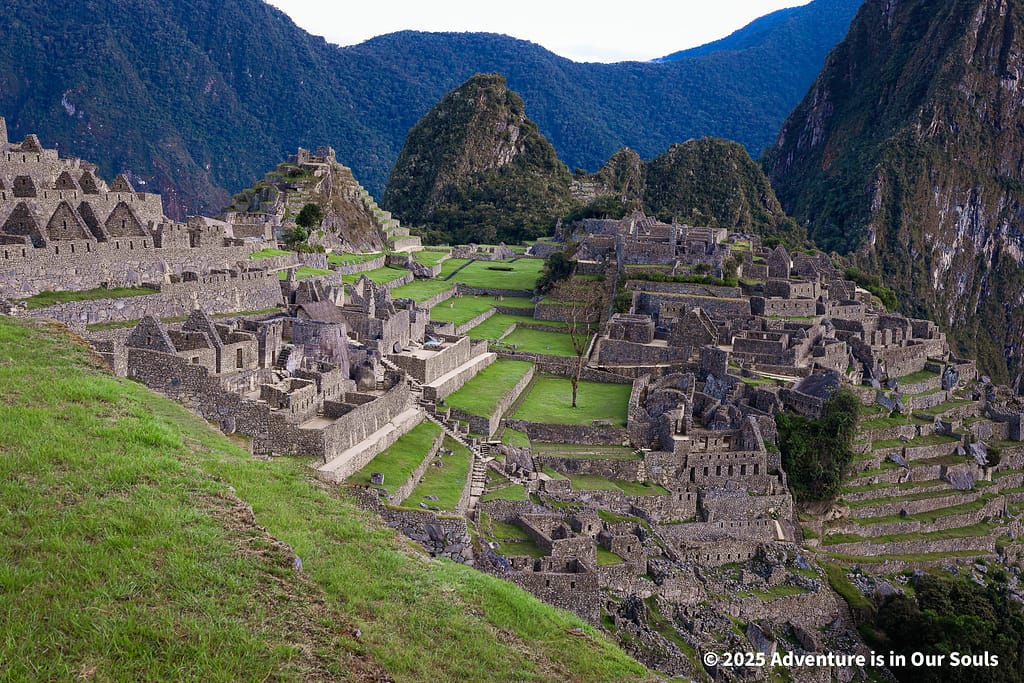
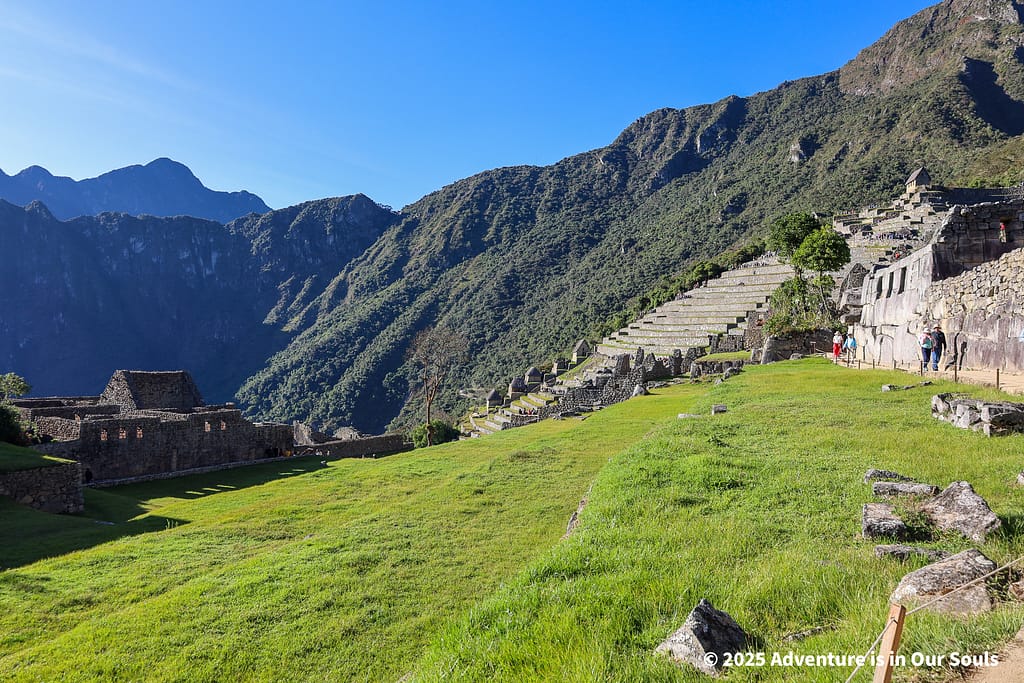
The layout of Machu Picchu is divided into upper and lower sectors. The upper part includes temples and the iconic viewpoints, while the lower section houses residences and working areas. Paths are clearly marked, but many are steep with uneven stones. Most sections require light climbing.
The climate is subtropical and can change quickly! Expect cool mornings and warm afternoons. Layers are key. We visited after the winter solstice, so mornings were chilly and afternoons sunny.
Altitude
One of the biggest questions we had before visiting Machu Picchu was about altitude. Luckily, Machu Picchu sits at 7,972 feet, which is significantly lower than Cusco’s 11,152 feet. That’s a big difference for little lungs!
If your family has spent a few days in Cusco before visiting, you are already ahead of the game! Your bodies will have had time to adjust to the thinner air. We spent time acclimating in Cusco and the Sacred Valley before heading to Machu Picchu. That helped a ton!
The girls felt a big difference. In Cusco, they needed more breaks and moved a little slower. At Machu Picchu, they had much more energy and excitement. Spider Monkey was practically bouncing around!
That said, altitude can still be tricky. Make sure everyone drinks plenty of water, eats light, and takes breaks. Slow and steady is the way to go. Keep an eye on signs of altitude sickness like headaches or dizziness.
Visiting Machu Picchu: Getting Tickets
Tickets to Machu Picchu can sell out quickly, especially during high season around the solstice. It’s important to plan ahead! Tickets are available online through the official government site. The site can be tricky to navigate. I had to use a VPN with Peru set as the country to complete my purchase on the day the tickets were released. I have heard this trick worked with others as well.
Advance tickets are usually released in blocks. You can buy them several months ahead of your trip. For our visit in June, tickets were released in January. Sometimes extra tickets are released closer to the date, but those are limited.
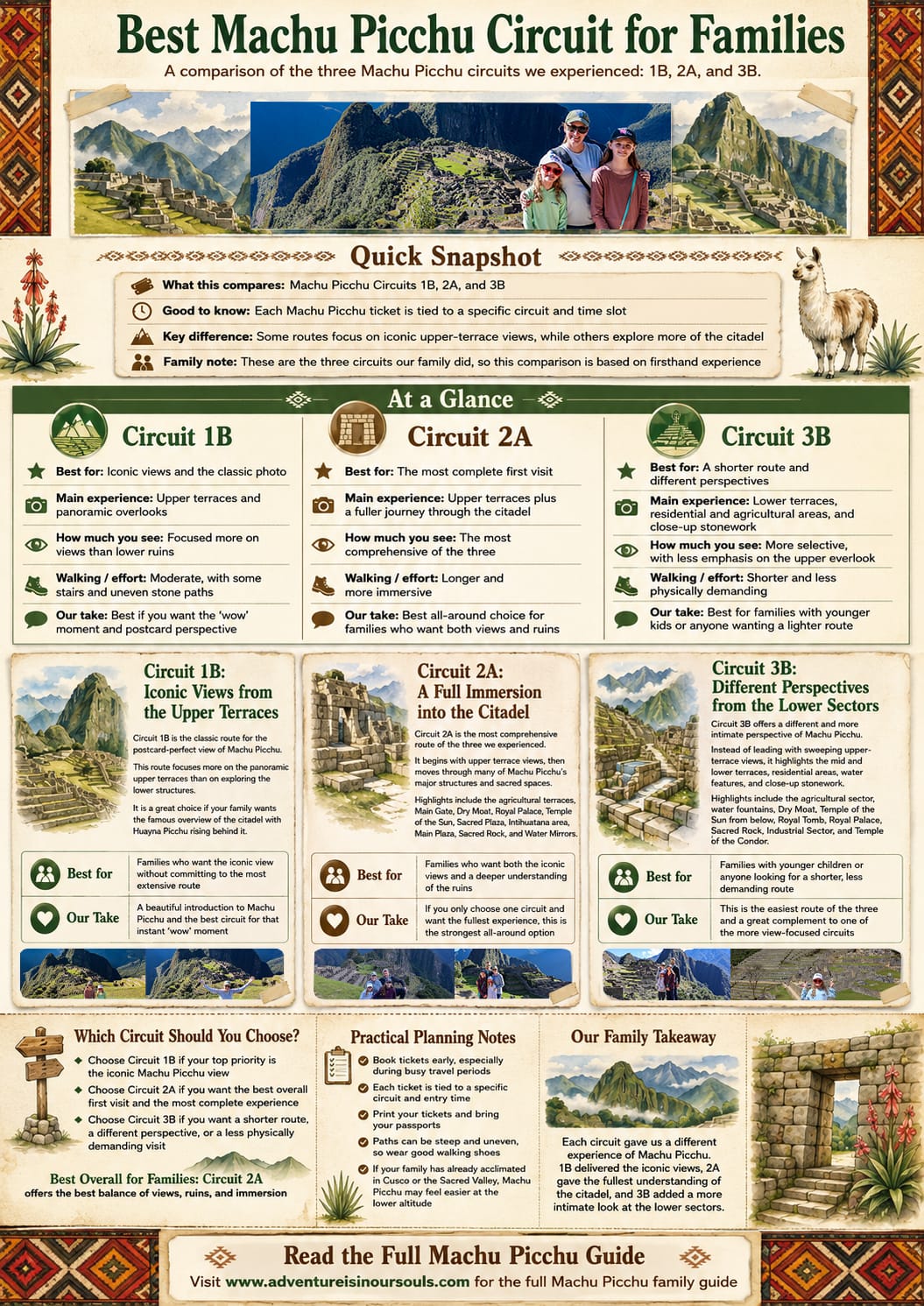
Each ticket is assigned to a specific circuit and time slot. You cannot roam freely between circuits. That’s why planning which circuits to do and when is key.
Here’s a breakdown of the circuits:
Circuit 1
Circuit 1 is best for upper views and the classic photo spot. Circuit 1B includes the views. Circuits 1A and 1C include hikes to nearby mountains such as Huayna Picchu.
Circuit 2
Circuit 2 is the most comprehensive route! There are two versions: 2A and 2B. Circuit 2A is longer and includes both the upper and lower sectors. It covers more ground, making it ideal for travelers seeking a complete experience. Circuit 2B is shorter and skips the upper viewpoints, but still includes key lower-area highlights such as the Sacred Plaza, Temple of the Condor, and the Royal Palace.
Circuit 3
Circuit 3 is more focused on the lower agricultural and residential sectors. Options 3A and 3B are shorter, good for families with small children. Circuit 3A is a loop that includes more of the central lower ruins and typically offers a slightly longer and more immersive route. Circuit 3B is the shortest route and tends to stick closely to the key structures near the entrance. It’s ideal for families with younger children or those looking for a less physically demanding experience. Both options give a great look at Machu Picchu’s agricultural engineering and daily Incan life.
Make sure to print your tickets and bring your passports! Children under 3 usually enter free, but rules can vary, so check ahead.
Visiting Machu Picchu: Getting There
The journey to Machu Picchu is part of the adventure!
Train Travel
The journey to Machu Picchu starts with an unforgettable train ride through the Andes. Most families take the train from Ollantaytambo in the Sacred Valley, which is easy to reach from Cusco. The two main train companies are PeruRail and Inca Rail, both of which offer multiple classes of service.
We chose PeruRail and took the Vistadome class for our ride to Aguas Calientes. This class had large panoramic windows, soft seats, and a fun Andean-themed design. It was perfect for watching the scenery! The ride passed through lush valleys, past waterfalls, and alongside the Urubamba River. Buttercup and Spider Monkey were glued to the windows.
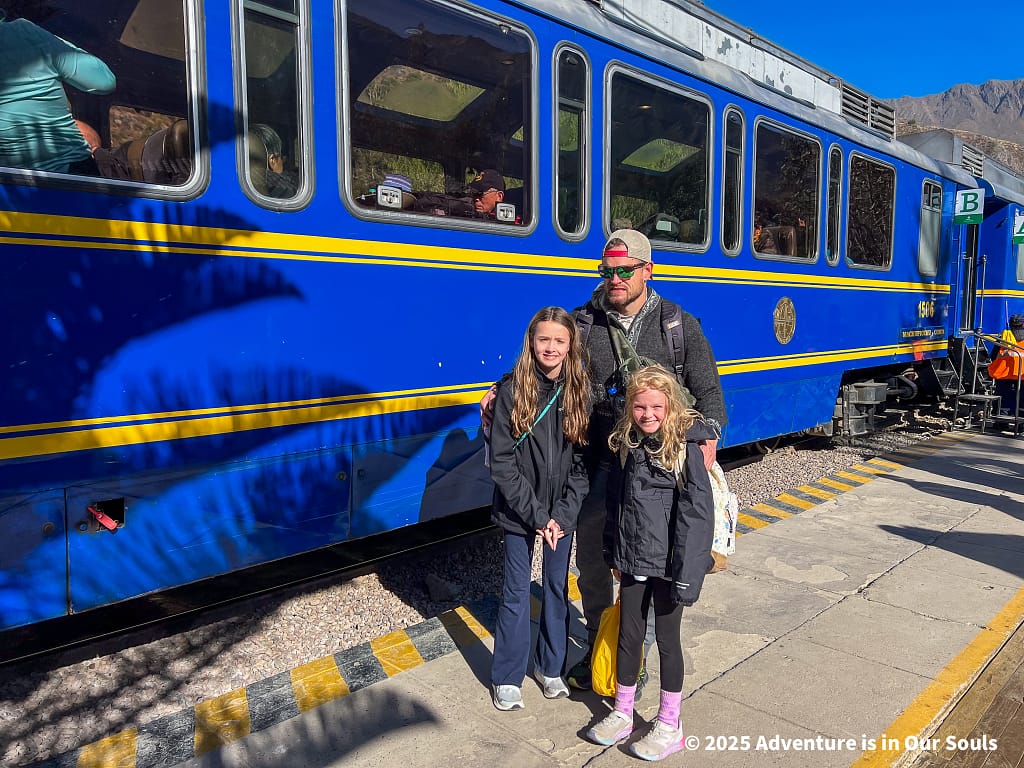
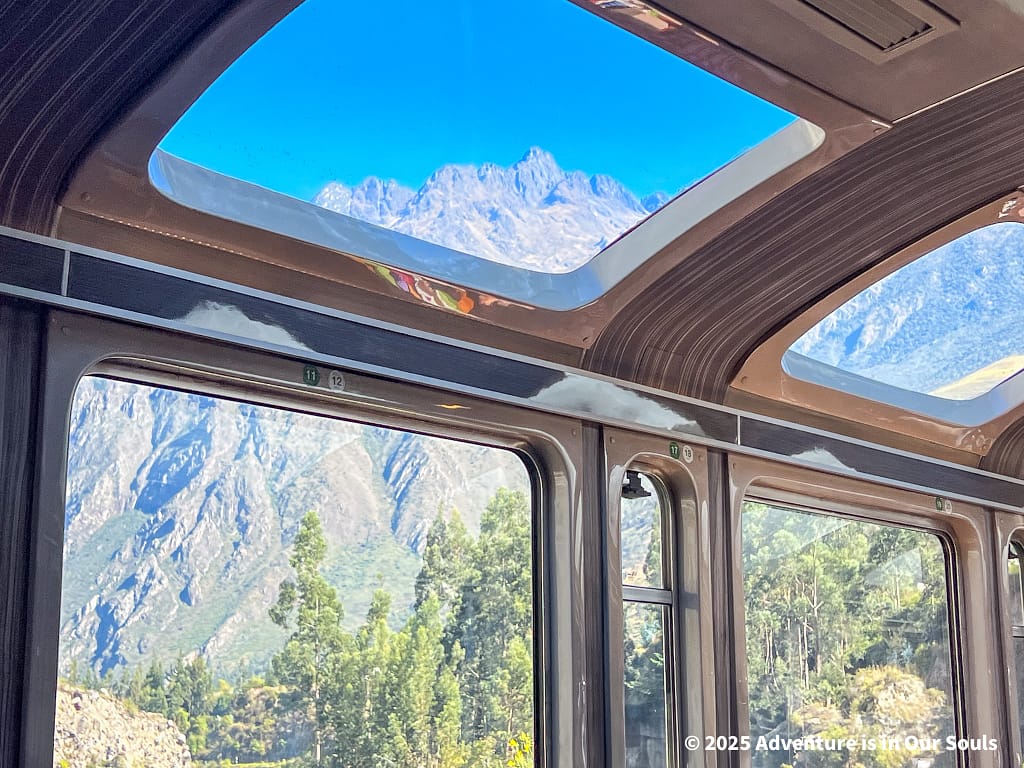
On the way back the next evening, we rode in the Expedition class, which was more basic but still comfortable. The main differences were the lack of free snacks, a smaller table between the seats, and slightly smaller windows. If you’re looking for more luxury, PeruRail also offers the upscale Hiram Bingham train, which features gourmet meals and an open bar.
Train rides take between 1.5 and 2 hours and offer stunning views of mountains, rivers, and small villages. The girls were wide-eyed the whole time! Trains have snacks and restrooms, which makes the ride super kid-friendly. Just make sure to book in advance, especially during peak seasons.
Aguas Calientes
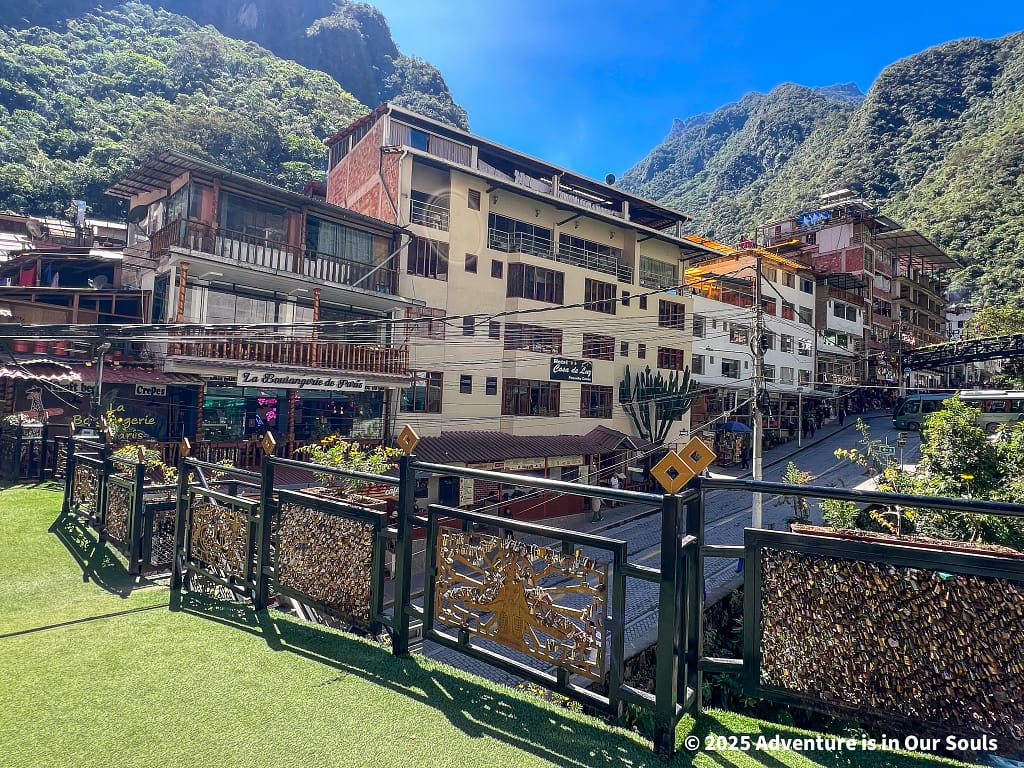
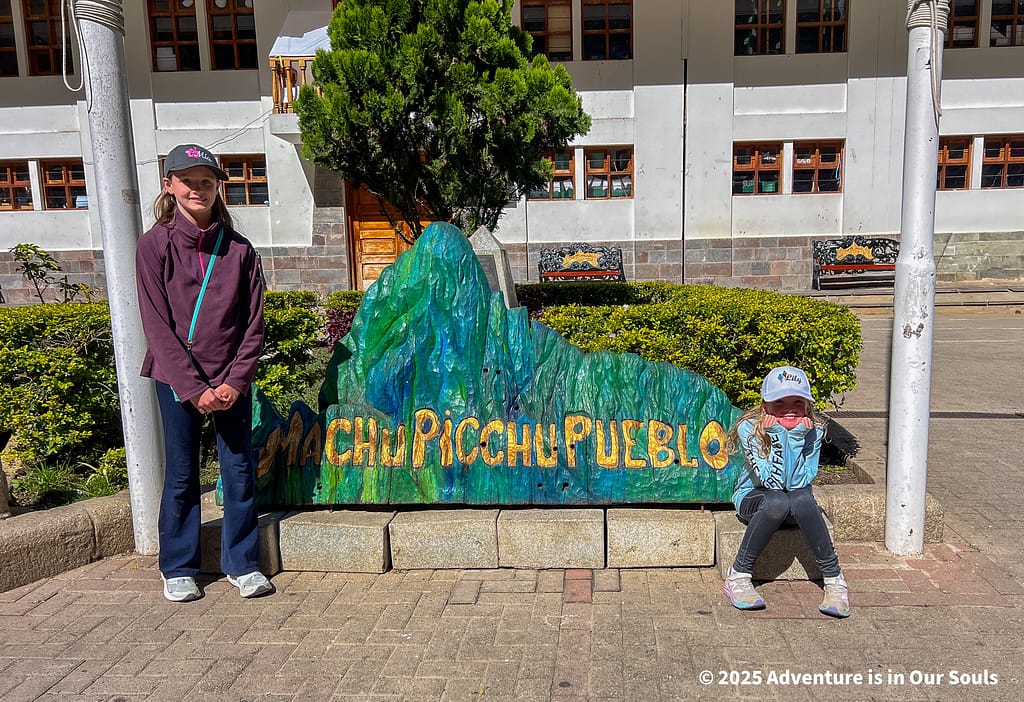
At the end of the train journey, you’ll arrive in Aguas Calientes, officially known as Machu Picchu Pueblo. This tiny mountain town sits along the Urubamba River and is surrounded by towering green cliffs. There are no cars here, just cobbled pedestrian streets.
Aguas Calientes is charming and makes a great base for your visit. You’ll find small hotels, restaurants, small museums, souvenir shops, and even hot springs. We loved walking through the lively market and grabbing meals along the river. The vibe is friendly, laid-back, and perfect for families to relax after travel.
Bus Travel
To get to the actual site of Machu Picchu, you’ll need to hop on a bus from Aguas Calientes. Buses start running around 5:30 AM and leave every few minutes throughout the morning. The ride to the top takes about 25 minutes and winds up a steep, narrow road with jaw-dropping views!
We bought our bus tickets a couple of days before our visit to avoid the rush. The station is easy to find in the center of town, near the train tracks. Be sure to bring your passports, as they’re needed for both the bus and entrance to Machu Picchu.
The ride itself was exciting and a bit bumpy, and the girls loved watching the jungle scenery fly past! Once at the top, the buses drop you off right at the entrance gate. If you’re visiting early, try to line up at the station around 5 am to catch one of the first rides.
Visiting Machu Picchu: Circuit 1B – Iconic Views from the Upper Terraces
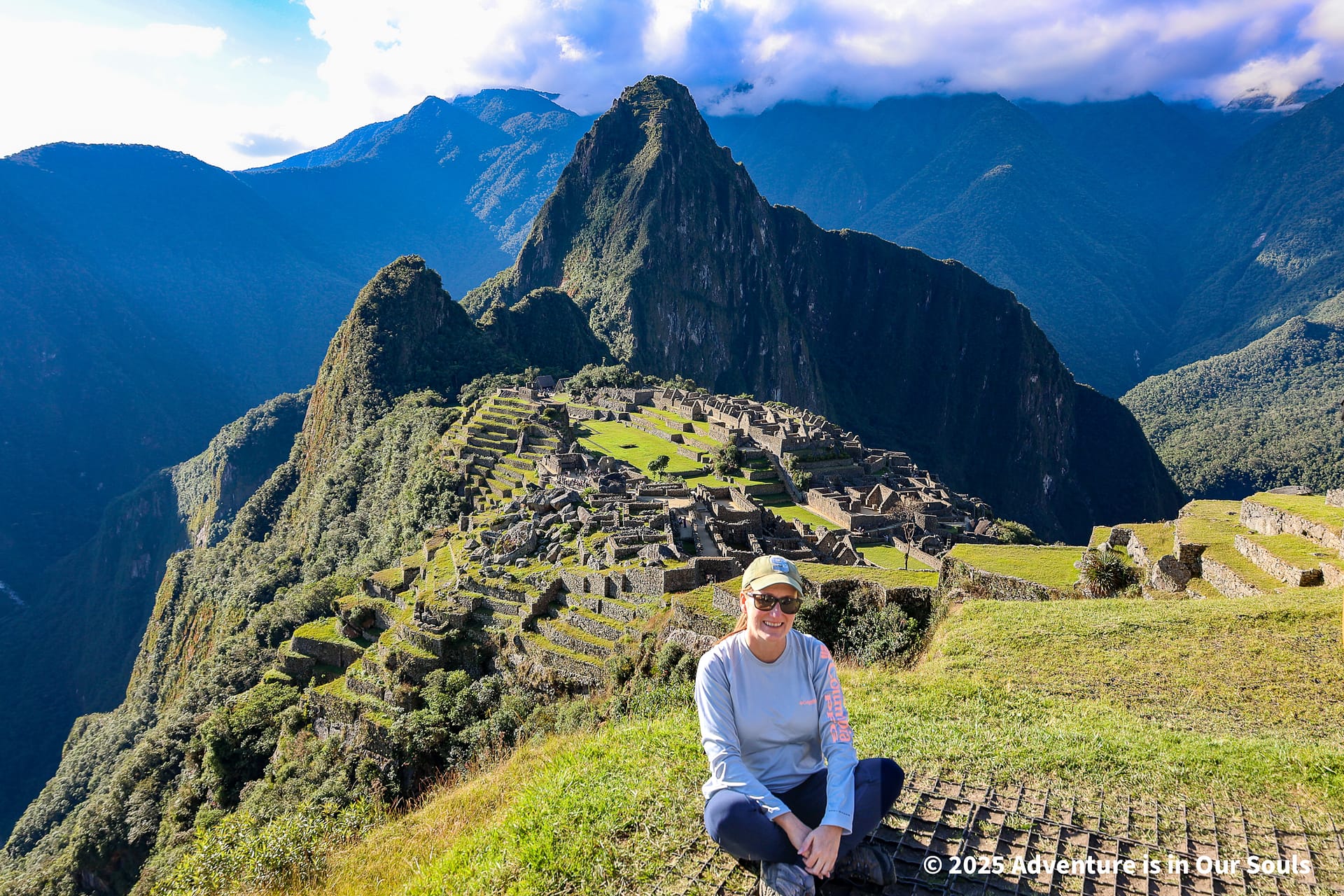
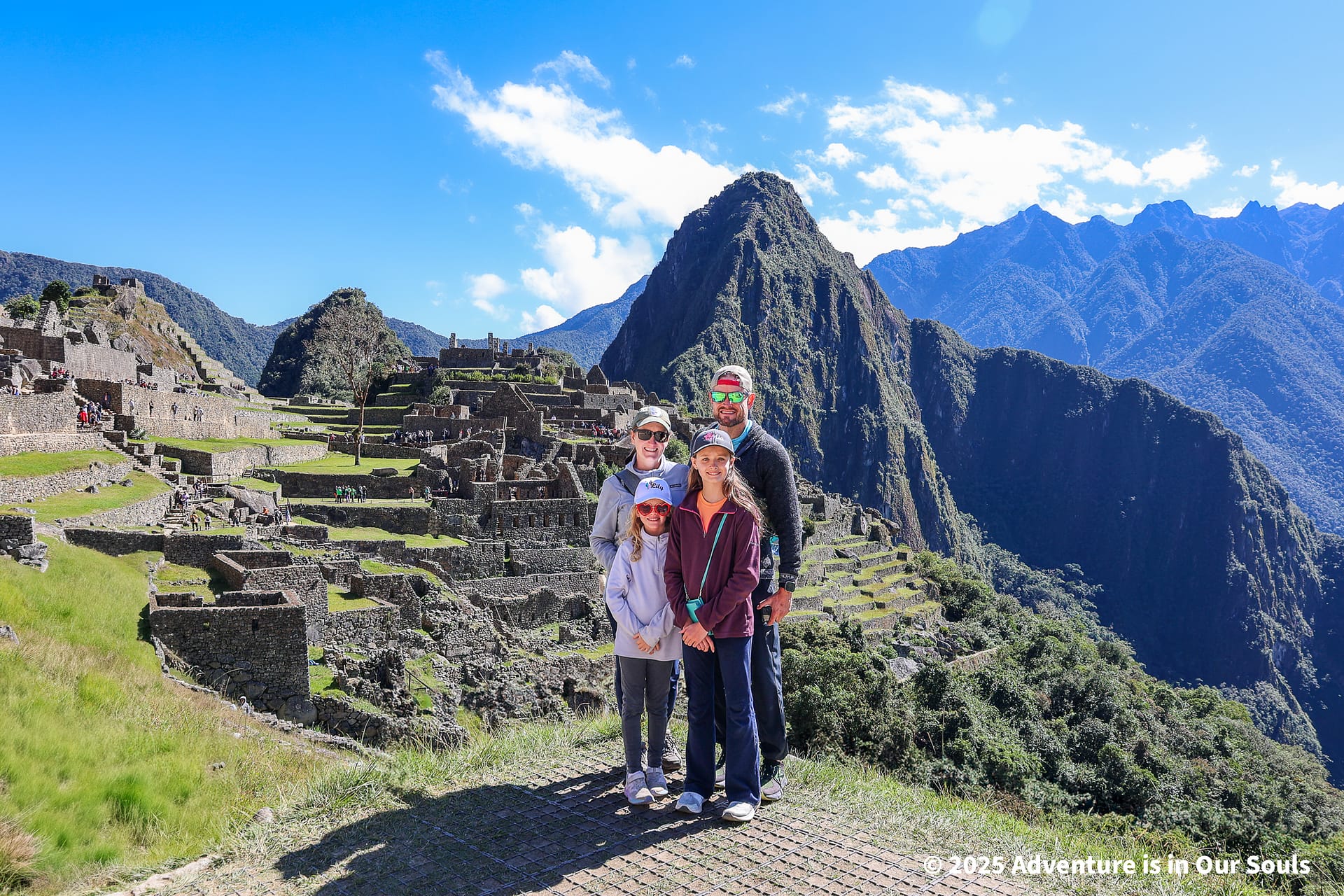
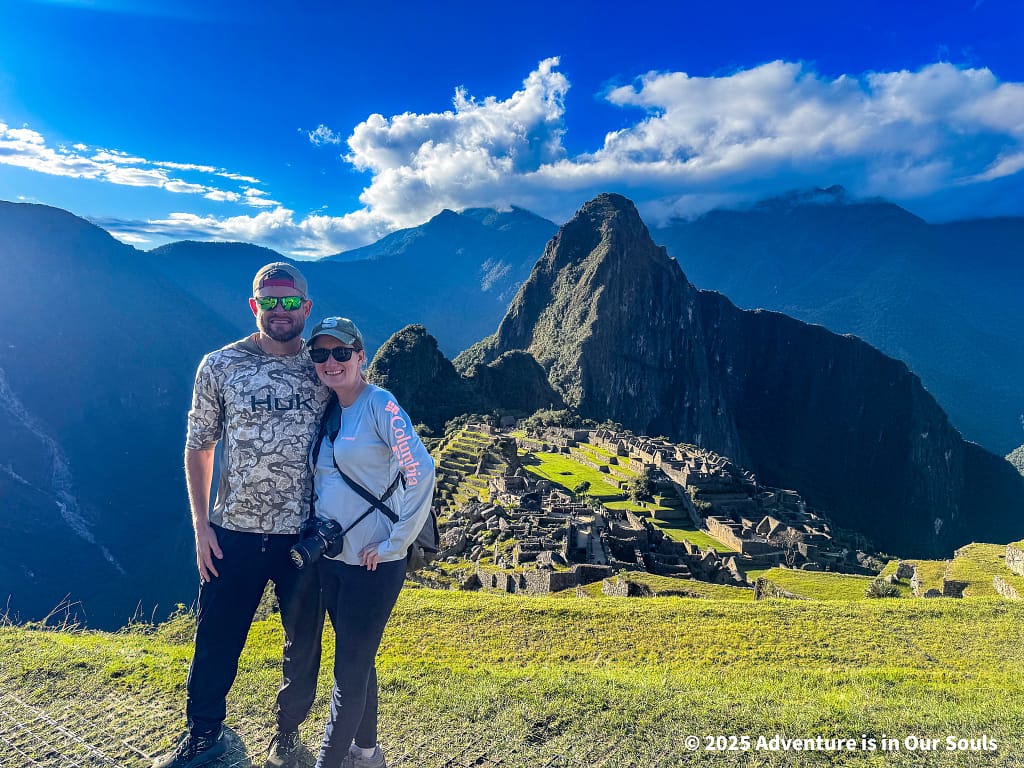
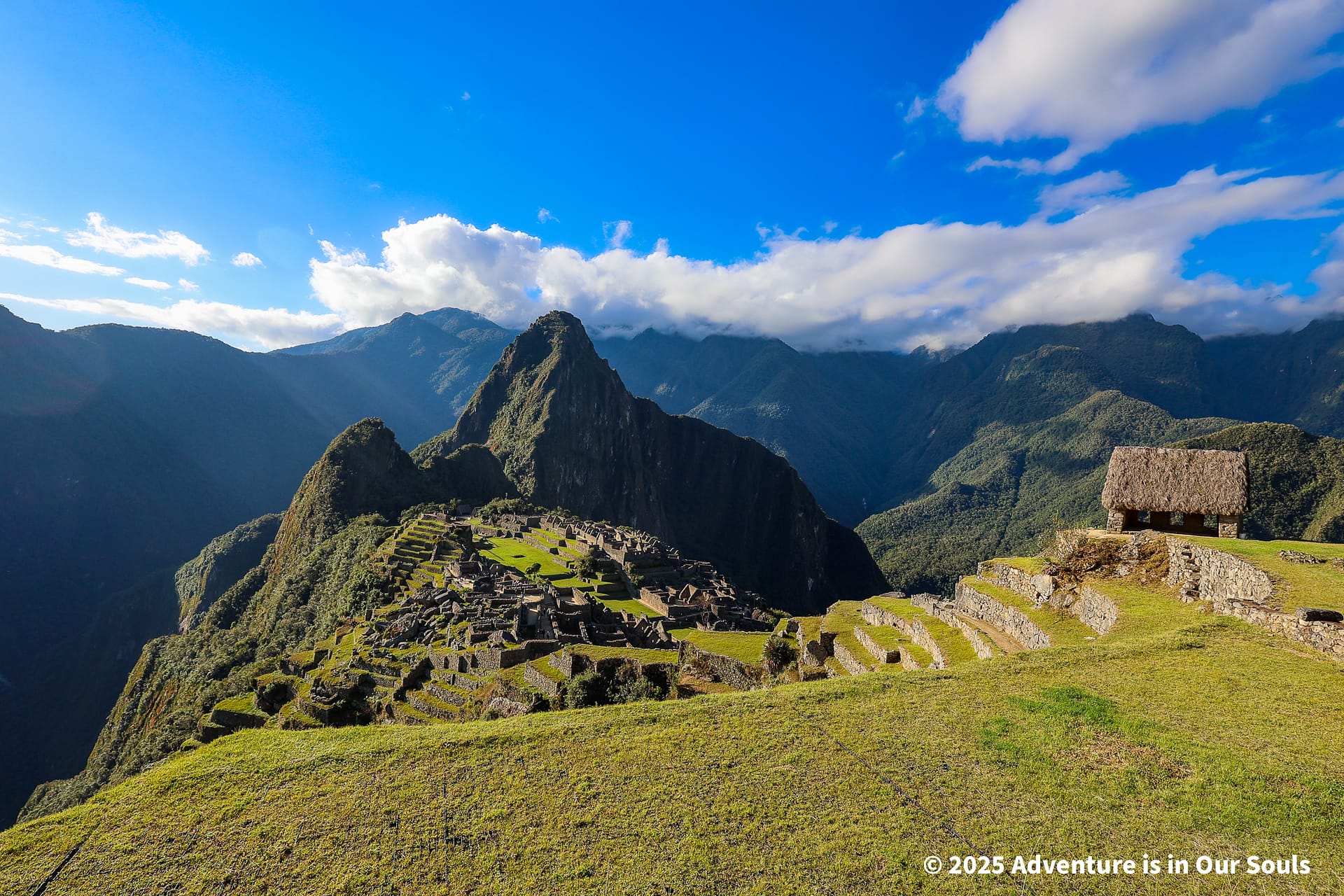
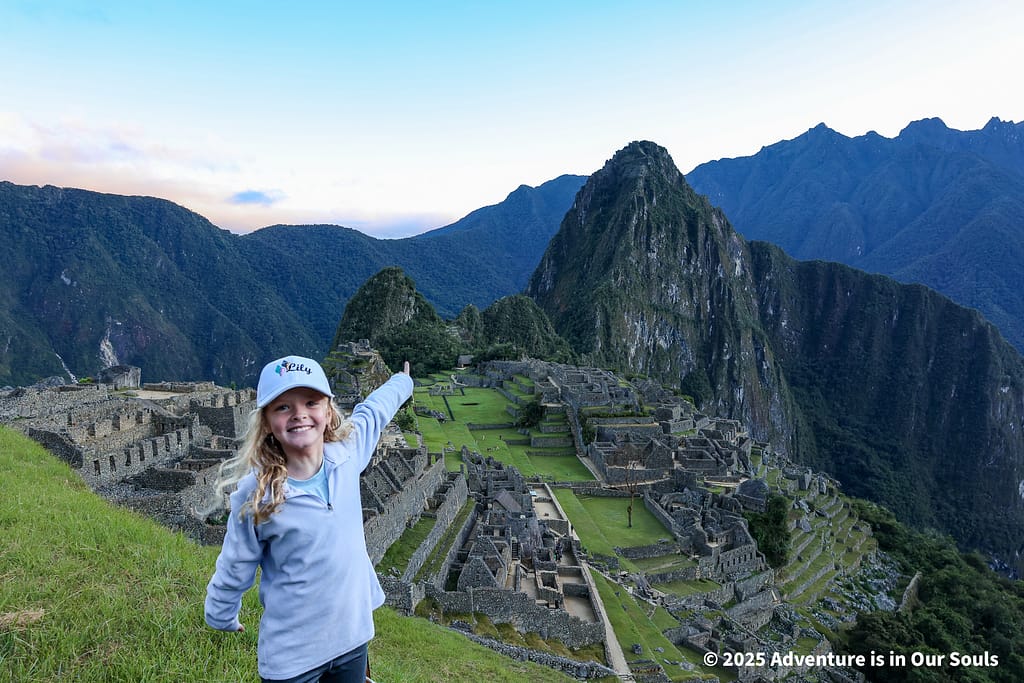
Circuit 1B is the classic route for that postcard-perfect view of Machu Picchu. This is the spot where most of the famous photos are taken! So we made sure to take our time here!
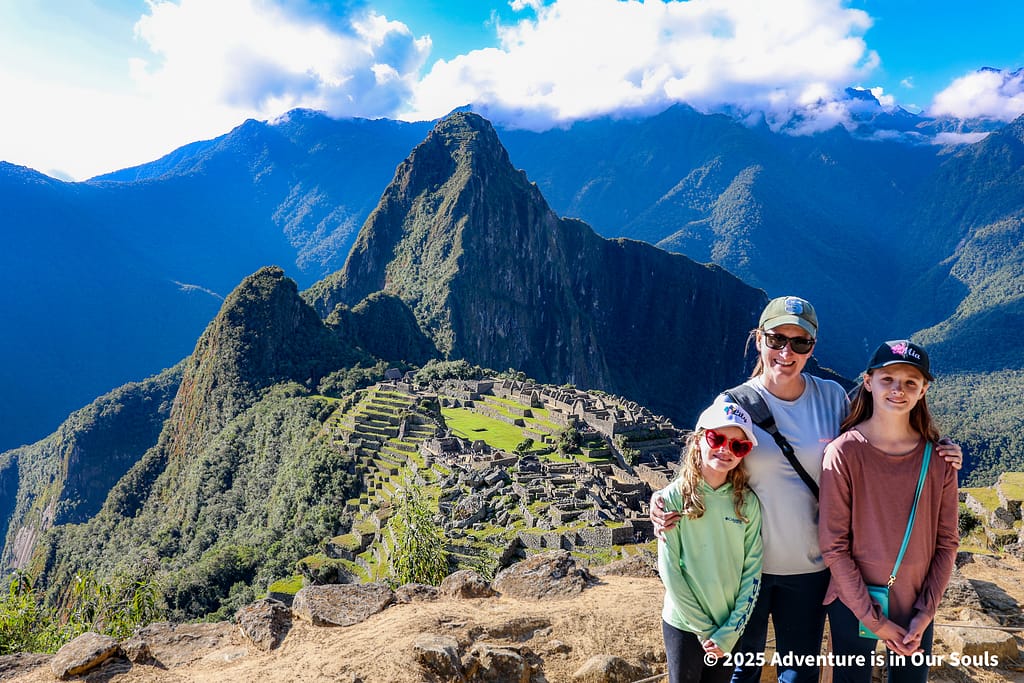
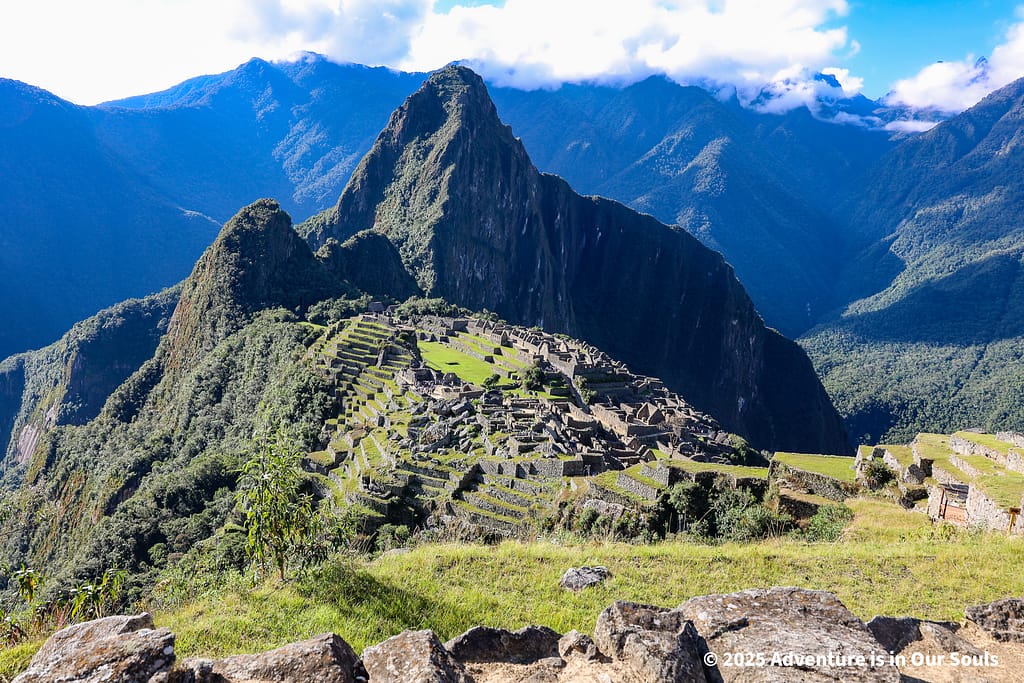
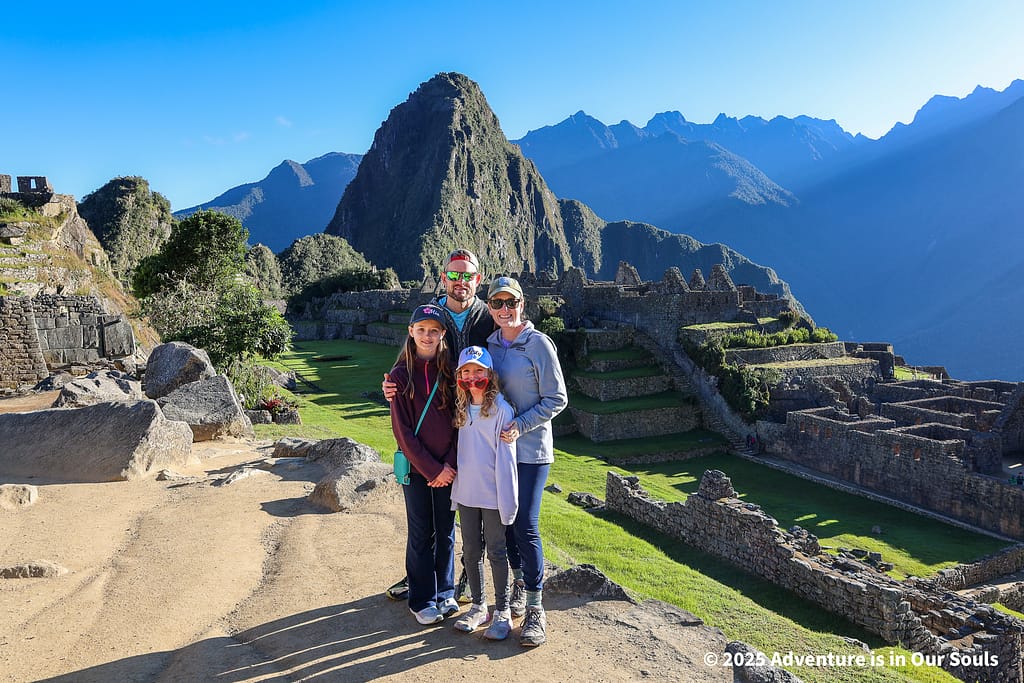
We did this circuit on the afternoon we arrived, and it was the perfect introduction to the site. After taking the bus up from Aguas Calientes, we entered the ruins and followed the clearly marked path to the upper terraces. The views were absolutely stunning. The entire citadel stretches below, with Huayna Picchu rising dramatically behind it. Even the girls paused their usual chatter to just stare in awe!
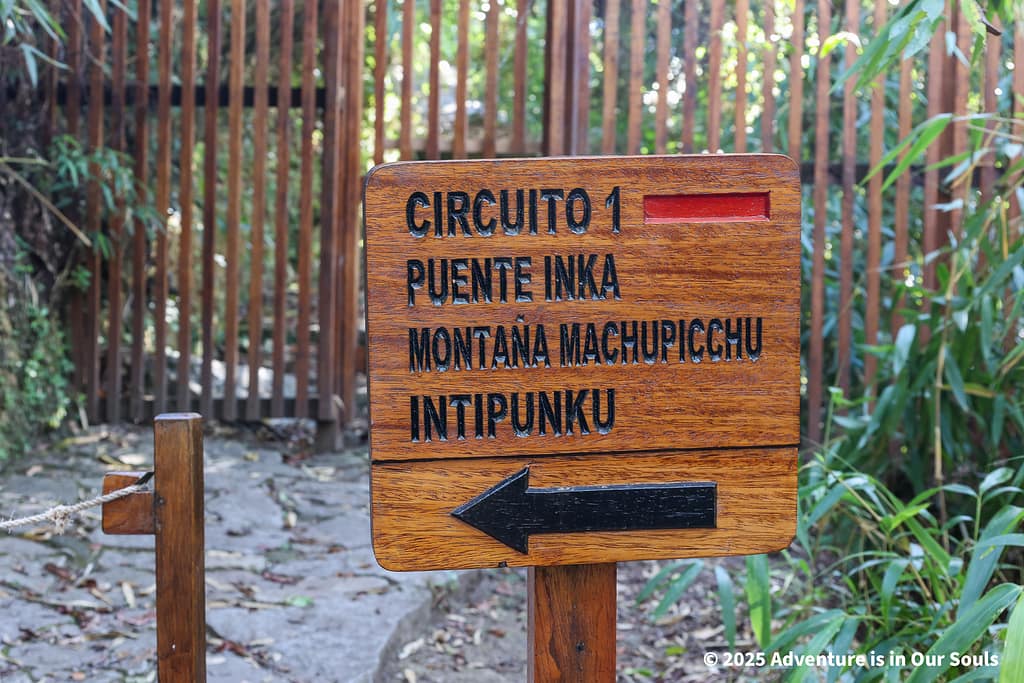
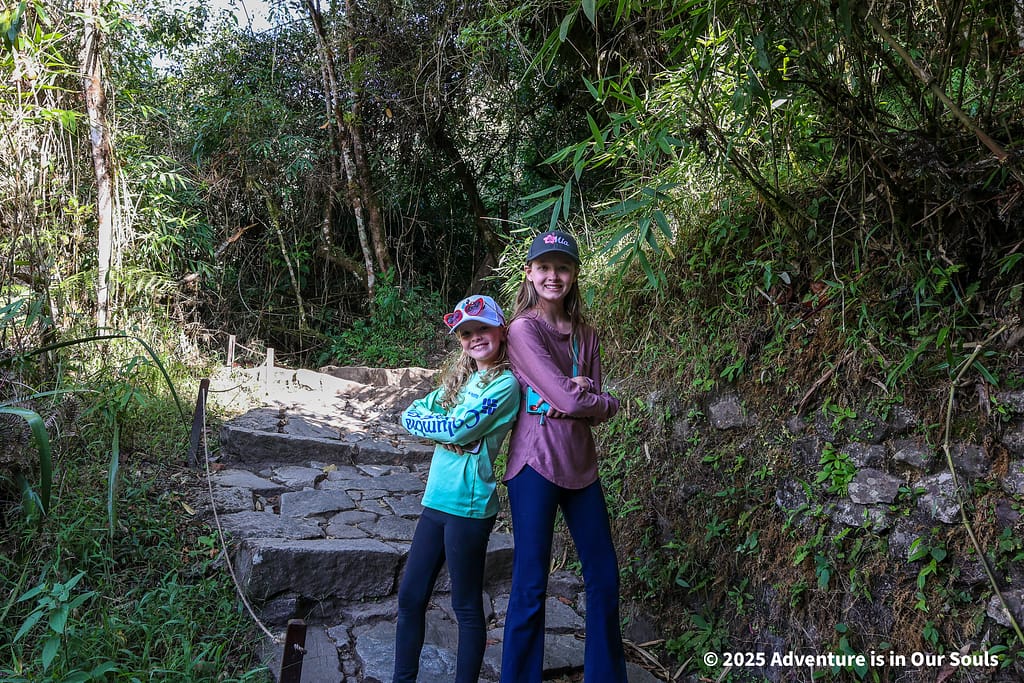
This circuit focuses more on the panoramic viewpoints than on exploring the lower structures, so it’s ideal if you want jaw-dropping views without too much walking through the maze of ruins. There are a few stairs and uneven stone paths, but overall it was manageable.
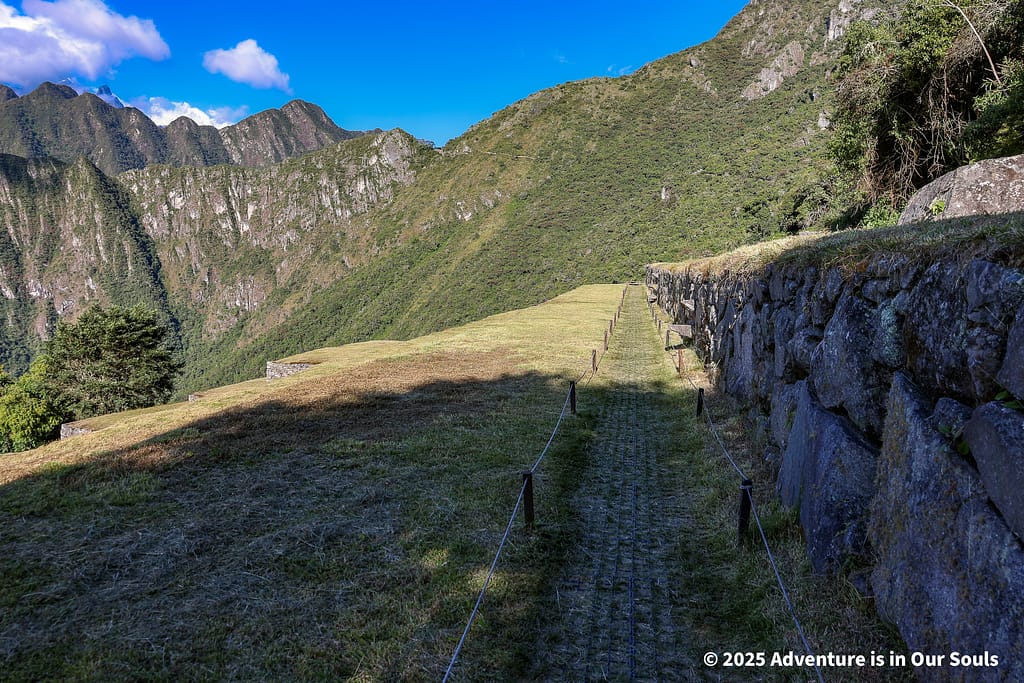
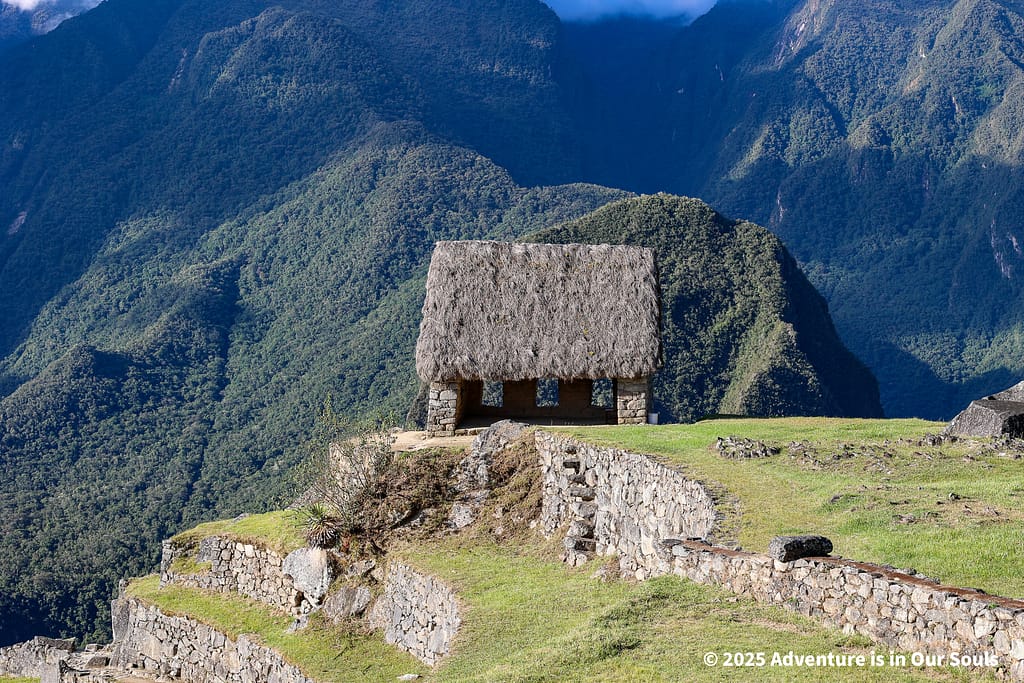
We took our time on the terrace steps while watching the late afternoon light shift across the mountains. It was peaceful, scenic, and unforgettable. If your family has limited time or just wants that “wow” moment, Circuit 1B delivers it in the most magical way!
Lower Platform Views
The lower platform on Circuit 1B offers an impressive perspective of the citadel. From here, you get a clearer view of the ruins’ layout and how the stone structures align with the surrounding mountains. It’s a fantastic spot to notice architectural symmetry and see how the Incas designed their city to harmonize with nature. We were amazed at how much we could see from this level!
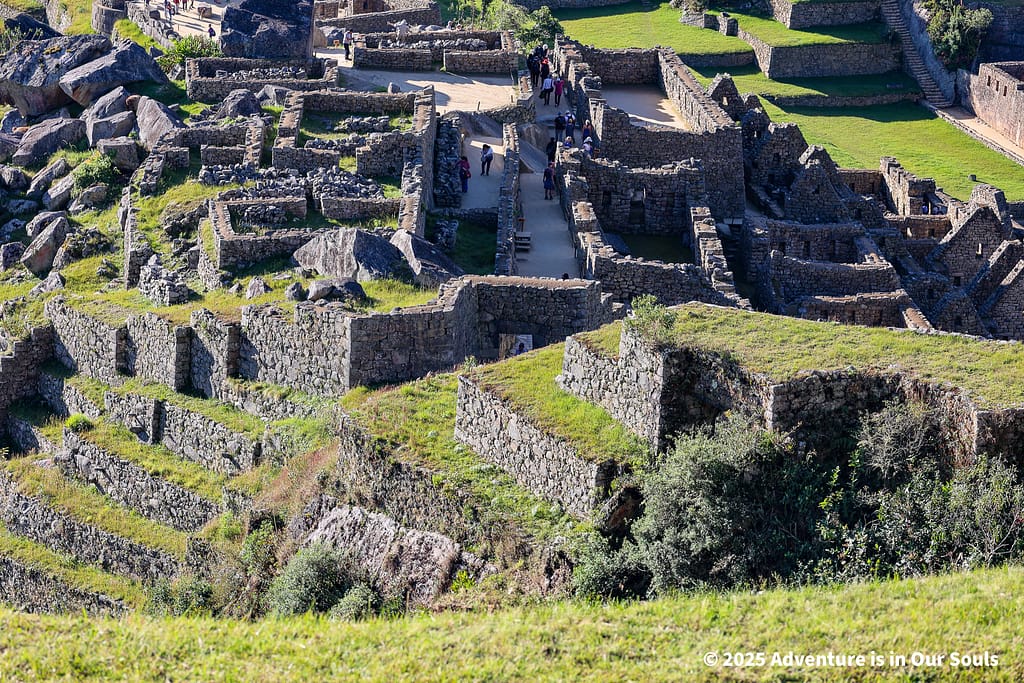
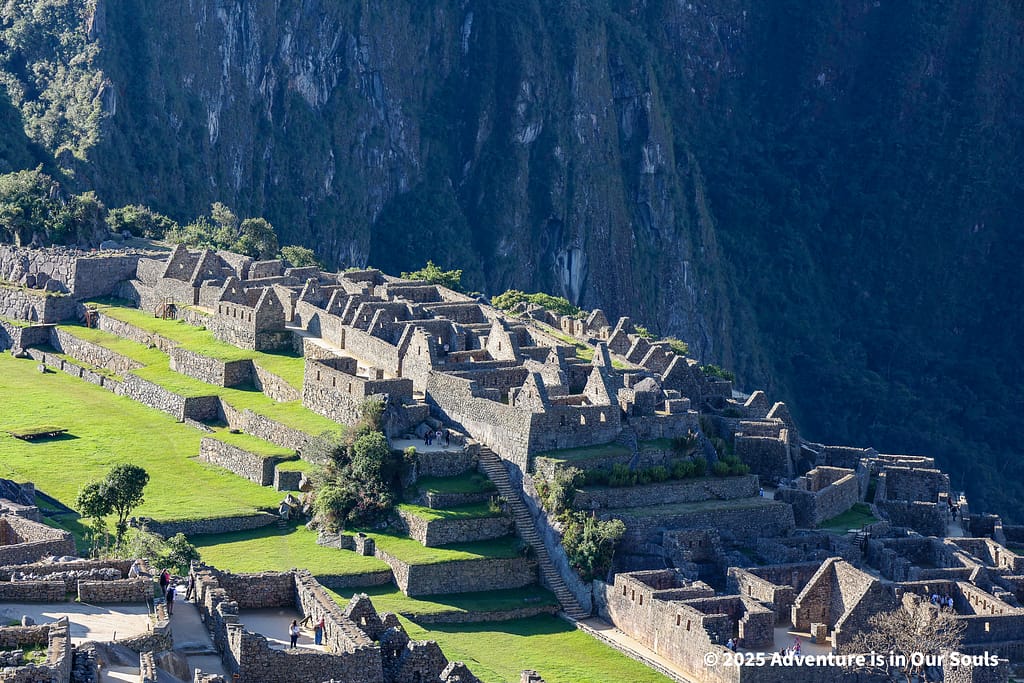
This platform also makes a great photo stop and is easier to access than the upper levels, which is helpful for families with younger kids. It’s less crowded and gives you a few peaceful moments to soak in the view before heading higher.
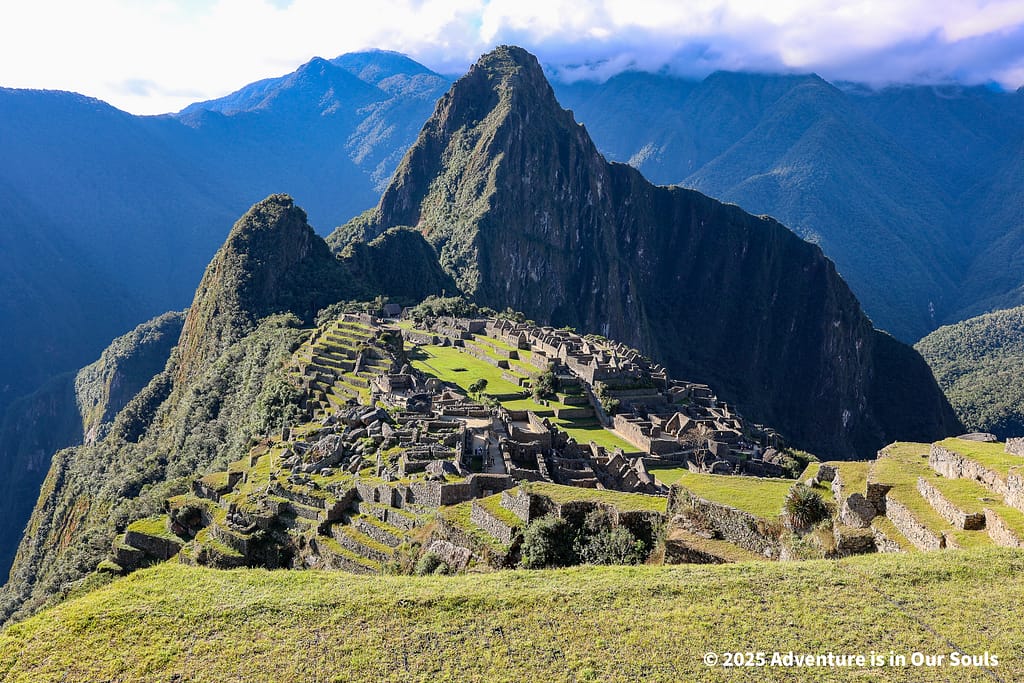
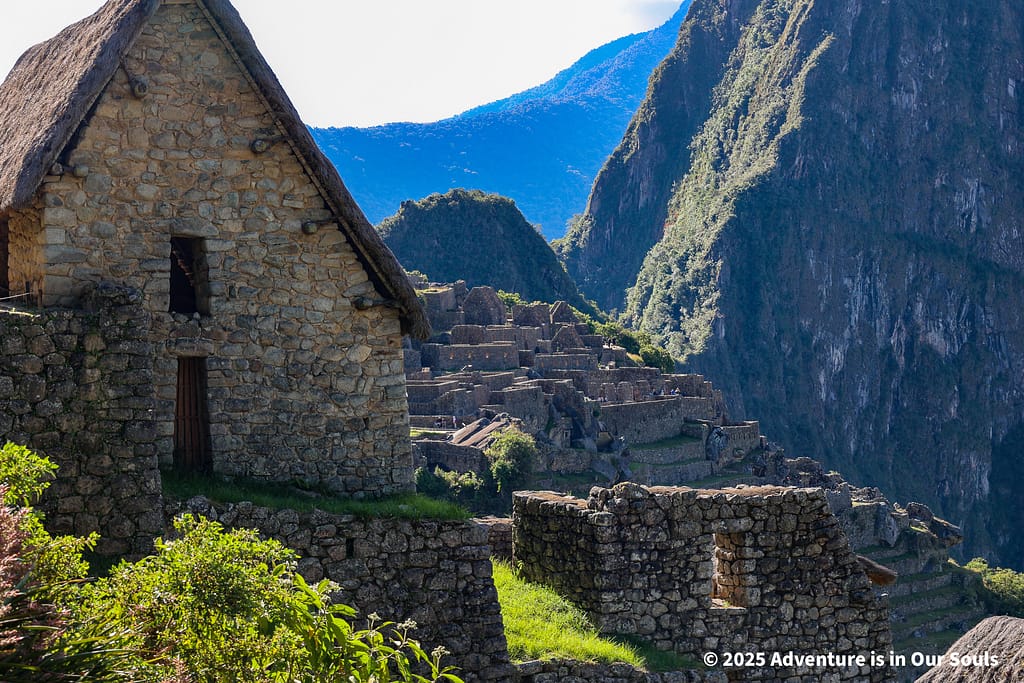
Upper Platform Views
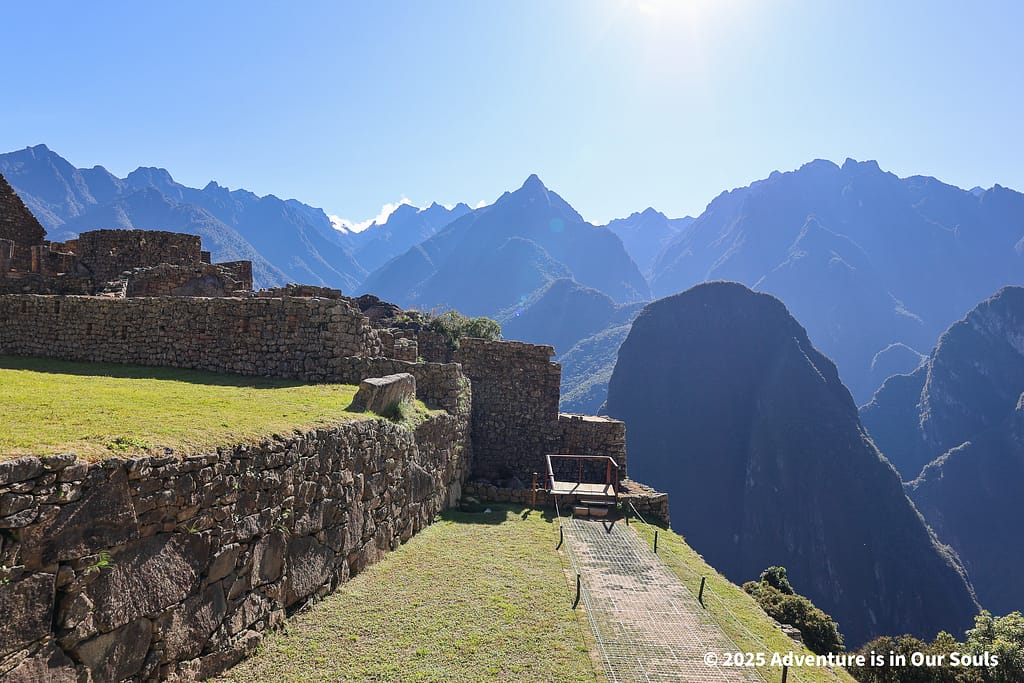
The upper platform is the highlight of Circuit 1B. From this vantage point, the iconic view of Machu Picchu unfolds in all its glory. You can see the full expanse of the ancient city, with its terraces, temples, and winding paths, all nestled against dramatic peaks. We could even spot the Sun Gate in the distance!
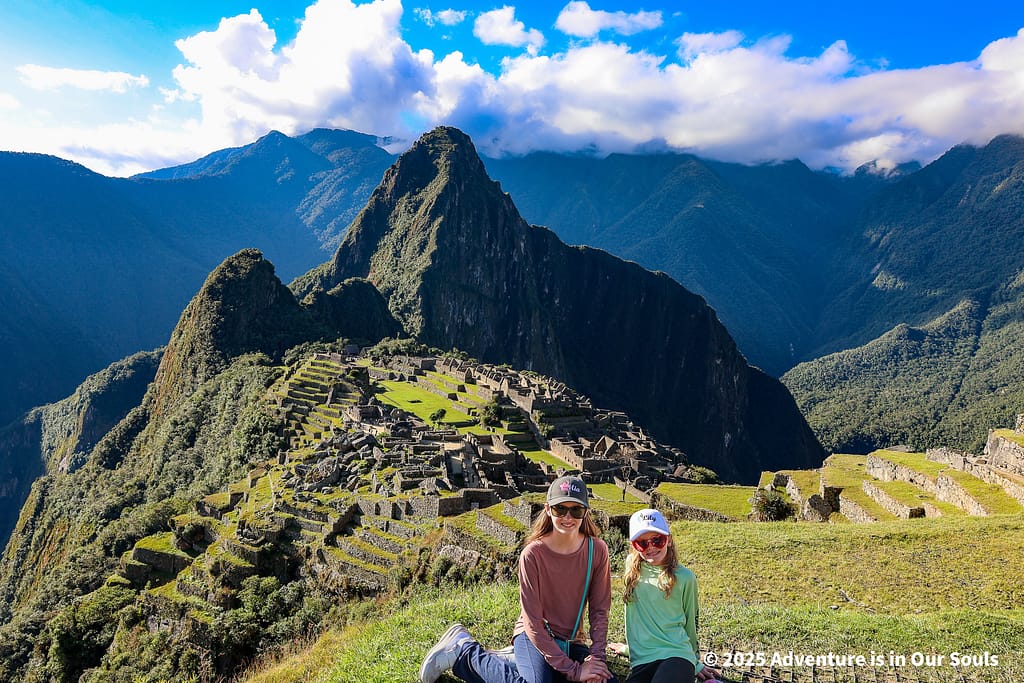
Visiting Machu Picchu: Circuit 2A – A Full Immersion into the Citadel
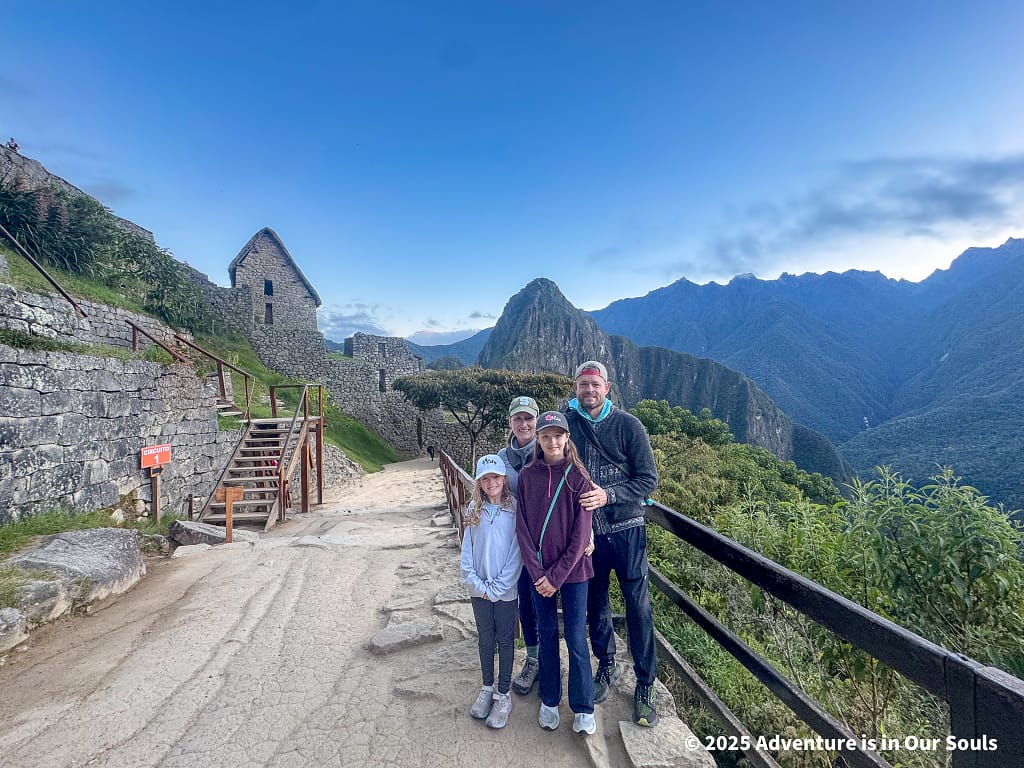
We woke up bright and early the next day for our Circuit 2A tour. Entering Machu Picchu just before sunrise was pure magic! The morning mist drifted across the mountaintops as the sun’s first rays lit up the valley. Our guide met us at the bus station and led us on a full tour of the heart of the citadel. Compared to Circuit 1B, this route dives into the actual ruins and includes many of Machu Picchu’s most famous structures.
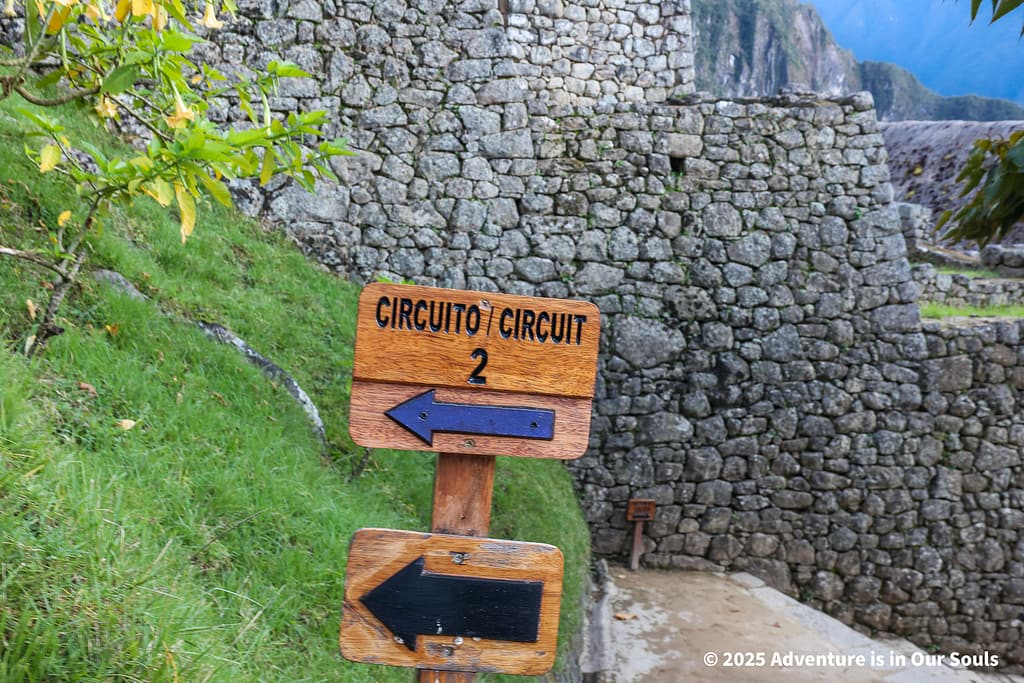
Circuit 2A is more immersive than 2B. While 2B skips the upper terraces and iconic overlook, 2A starts at the top, offering those jaw-dropping panoramic views before descending through the central ruins. For families like ours who want both the scenery and the story behind the stones, 2A is absolutely worth it. The route includes a mix of architectural marvels, ceremonial spaces, and quiet corners that made us feel like we were stepping into another time.
Iconic Views
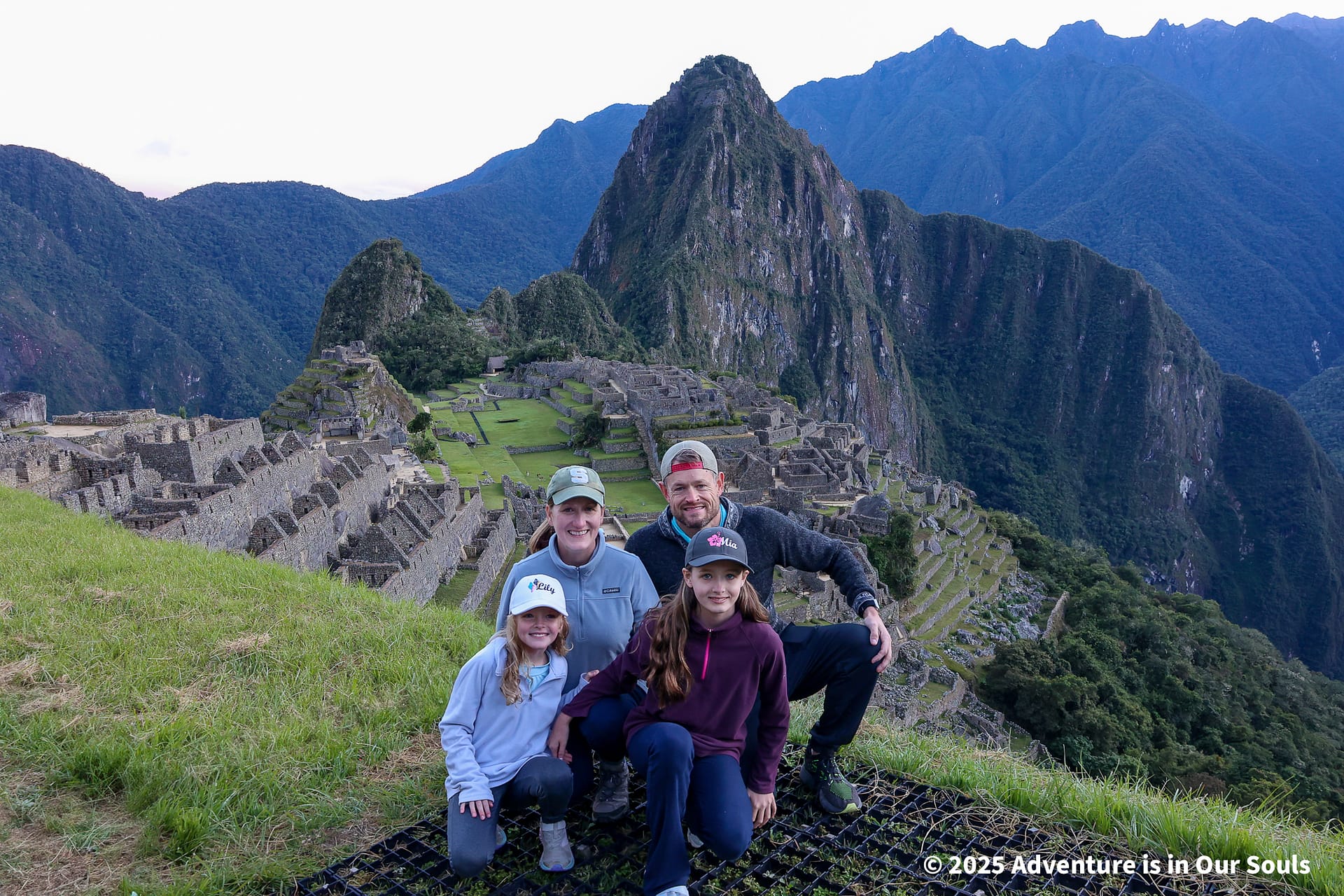
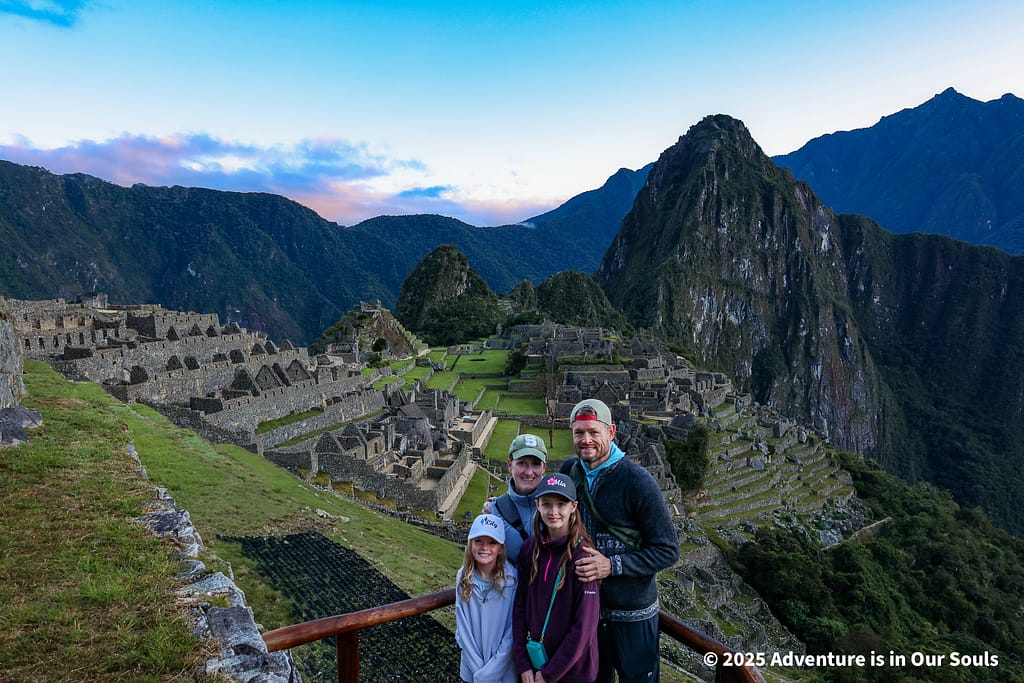
Circuit 2A begins with an upper-terrace view similar to Circuit 1B. It’s breathtaking! The early light, which hadn’t peaked above the mountains, adds a warm glow, and fewer visitors at this hour make it feel special. Our guide explained the city’s orientation and how it aligned with sacred mountains and celestial events, especially around the solstices.
Agricultural Terraces
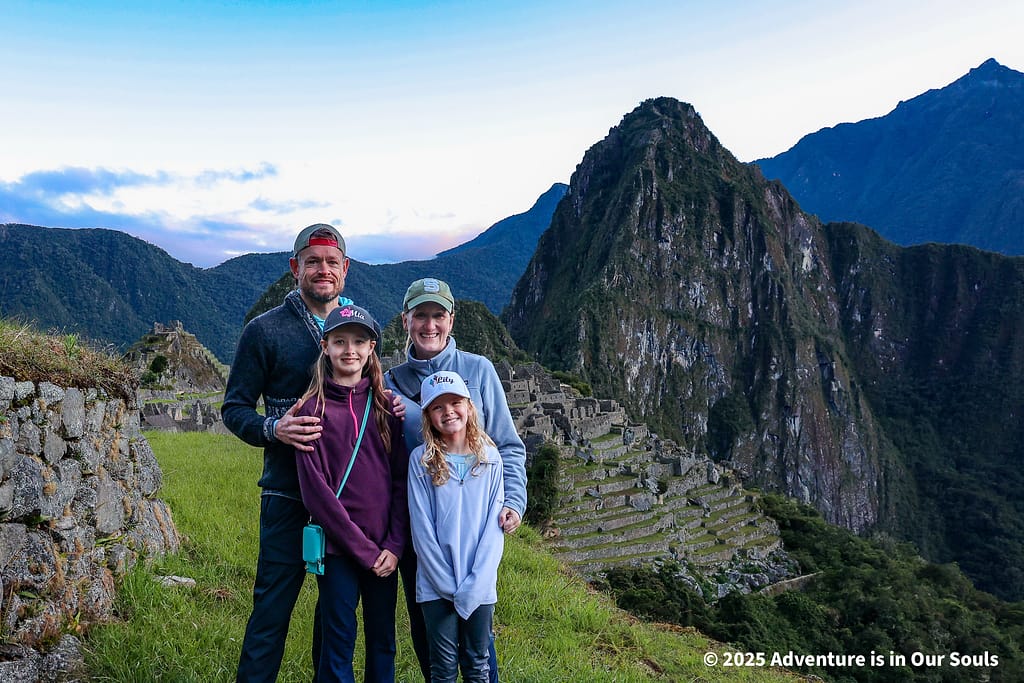
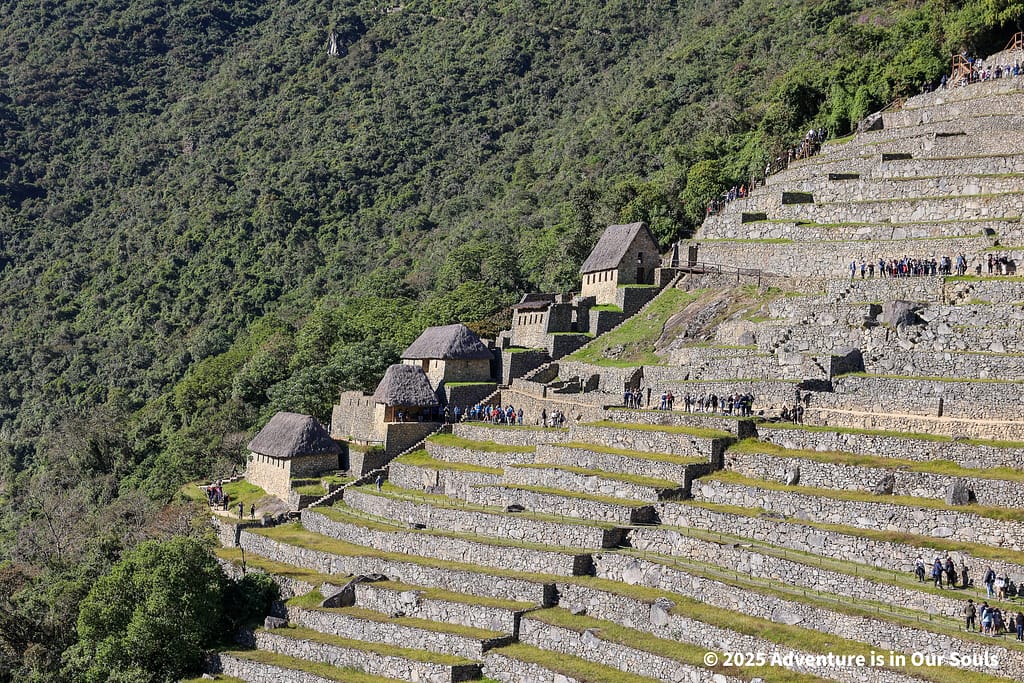
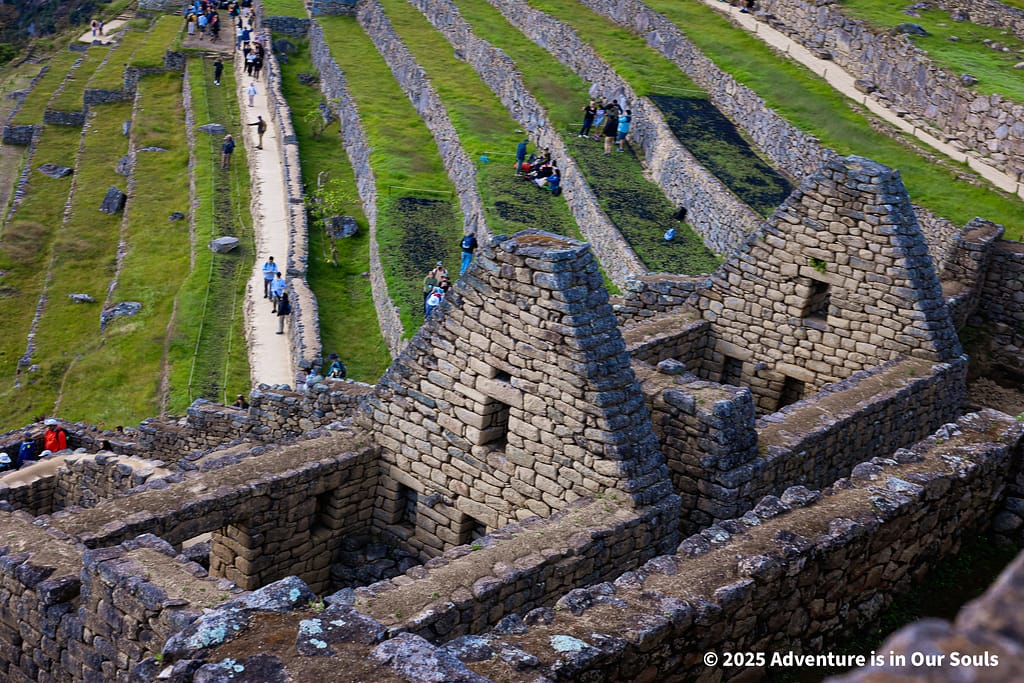
These impressive stepped slopes show how the Incas farmed at high altitudes. The terraces cascade down the mountainside and are still partially covered with grass. Our guide explained that these terraces not only supported food production but also stabilized the slope.
Main Gate
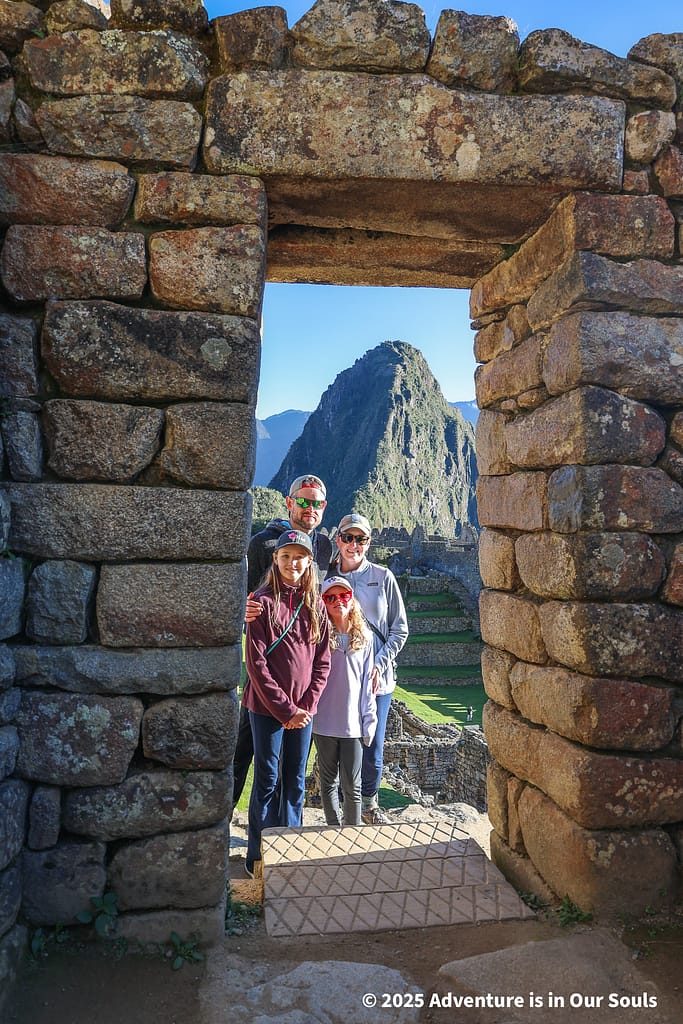
As we passed through the Main Gate of Machu Picchu, our guide pointed out its fascinating architectural features, especially the carefully carved notches along the top. These notches likely served multiple purposes. Some experts believe they were used to support wooden beams or ropes, perhaps for defensive barriers or gates that could be raised or lowered to control access. Others think they might have held ceremonial banners or decorations during special events.
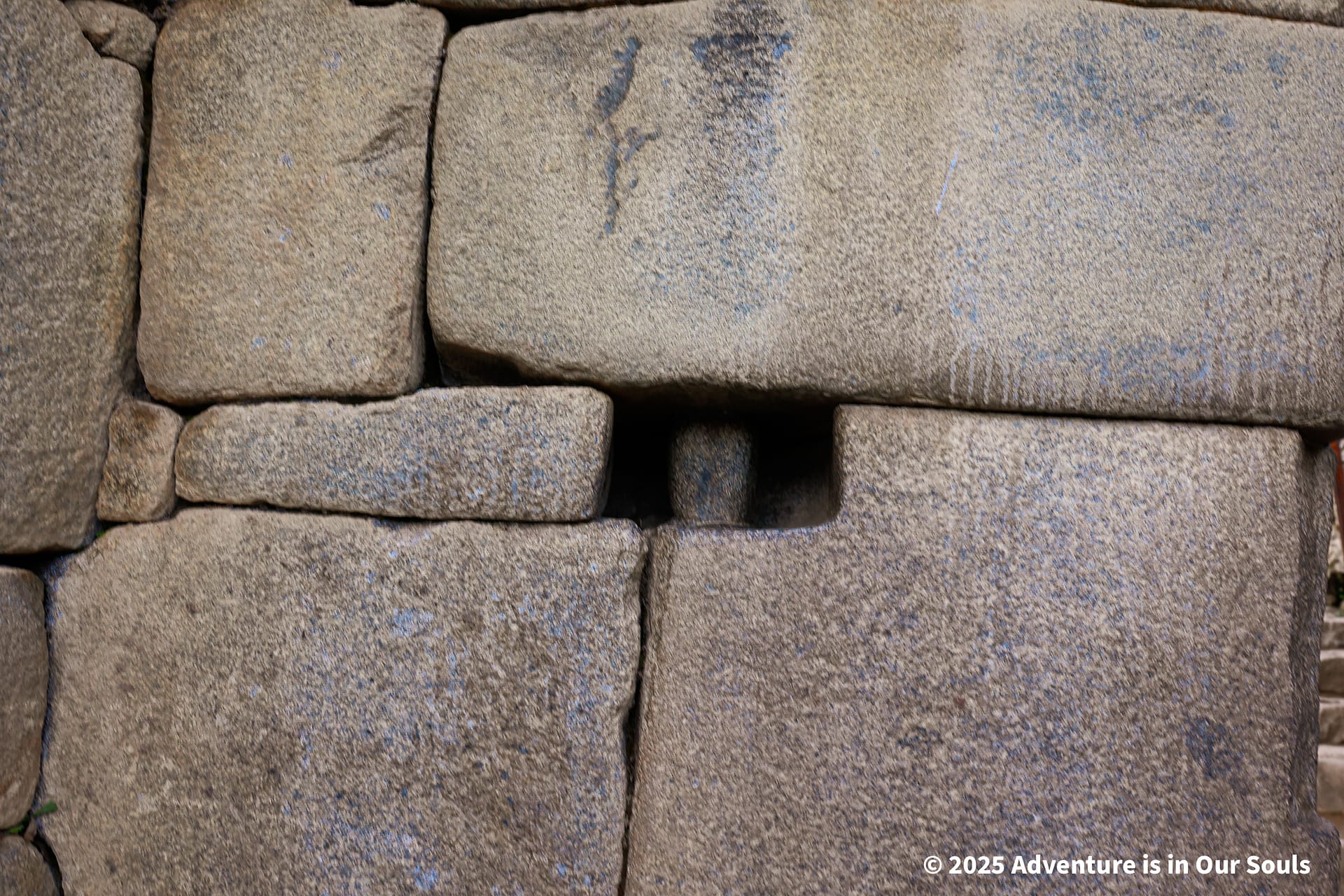
The trapezoidal shape of the gate itself is a clever design that helped the structure withstand earthquakes, a feature seen throughout Machu Picchu’s stonework. The gate marked the official entrance to the city, creating a sense of arrival and awe for visitors. Walking through it felt like stepping into a protected and sacred space, signaling that what lay ahead was truly special.
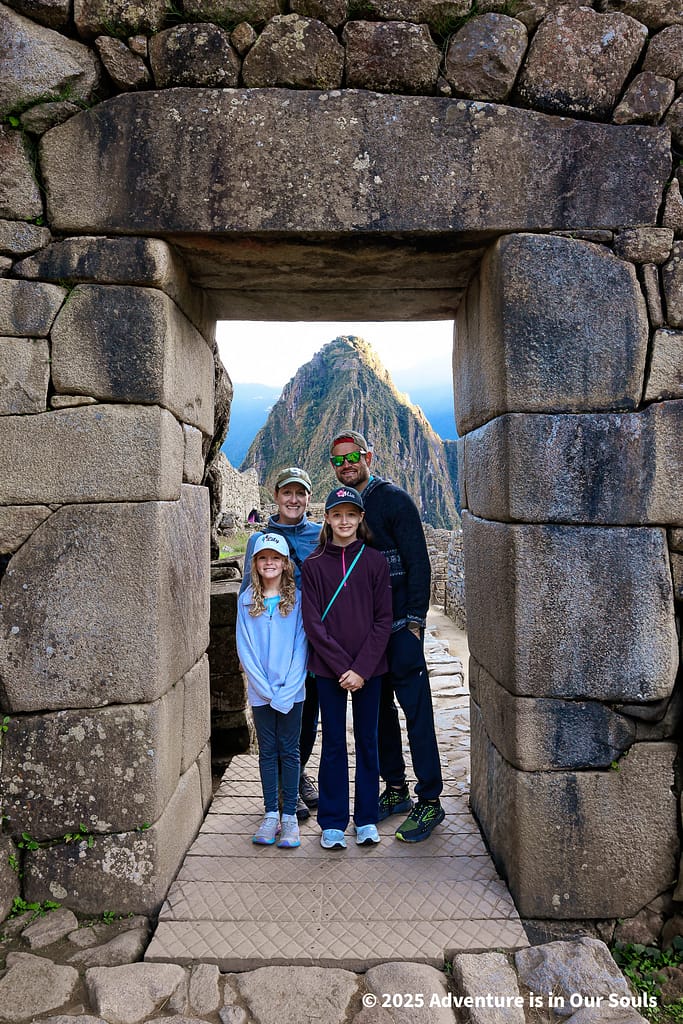
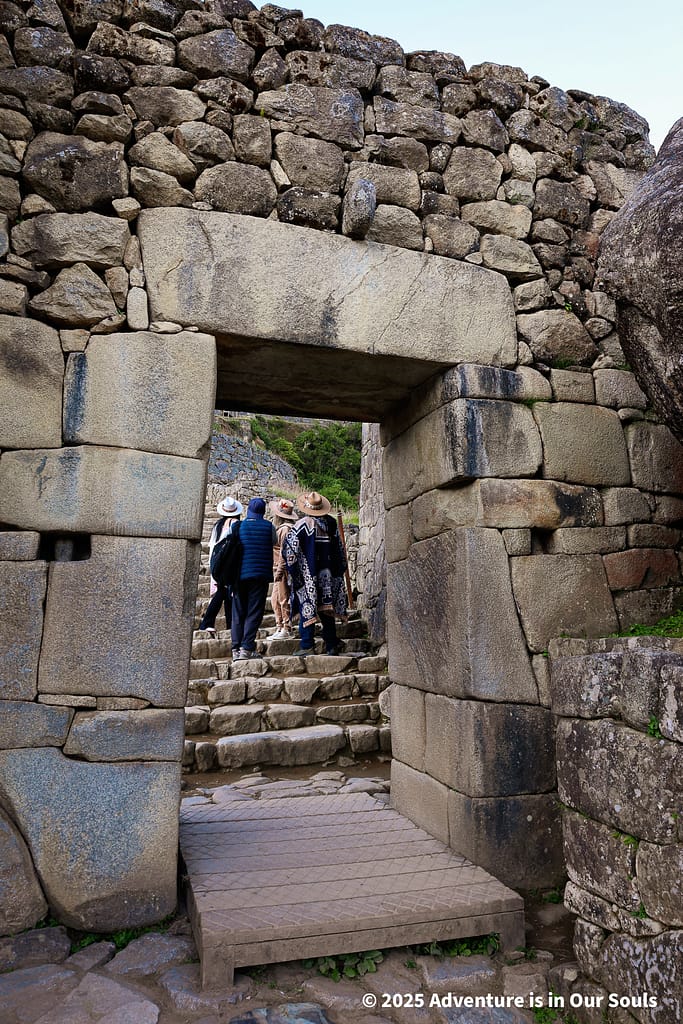
The stonework here is beautifully smooth and tightly fitted, showing the care taken in crafting even this functional entrance.
Dry Moat
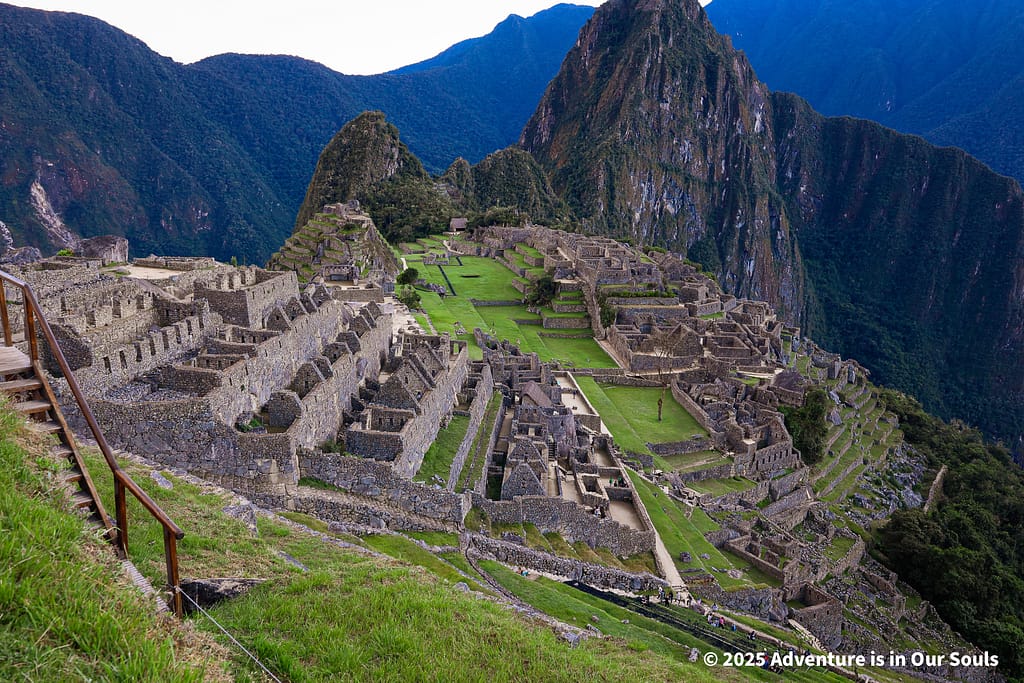
We never expected to see a moat at Machu Picchu! This dry trench wraps around the inner city and was used for protection and separation of sacred spaces.
Royal Palace
The Royal Palace is one of the most impressive and elegant areas of Machu Picchu. This space likely served as the residence for the Inca ruler or high-ranking priests. The stone walls are incredibly smooth and precisely cut, showcasing the Incas’ advanced masonry skills. The windows are trapezoidal, a design meant to withstand earthquakes, and they frame breathtaking views of the surrounding terraces and mountains.
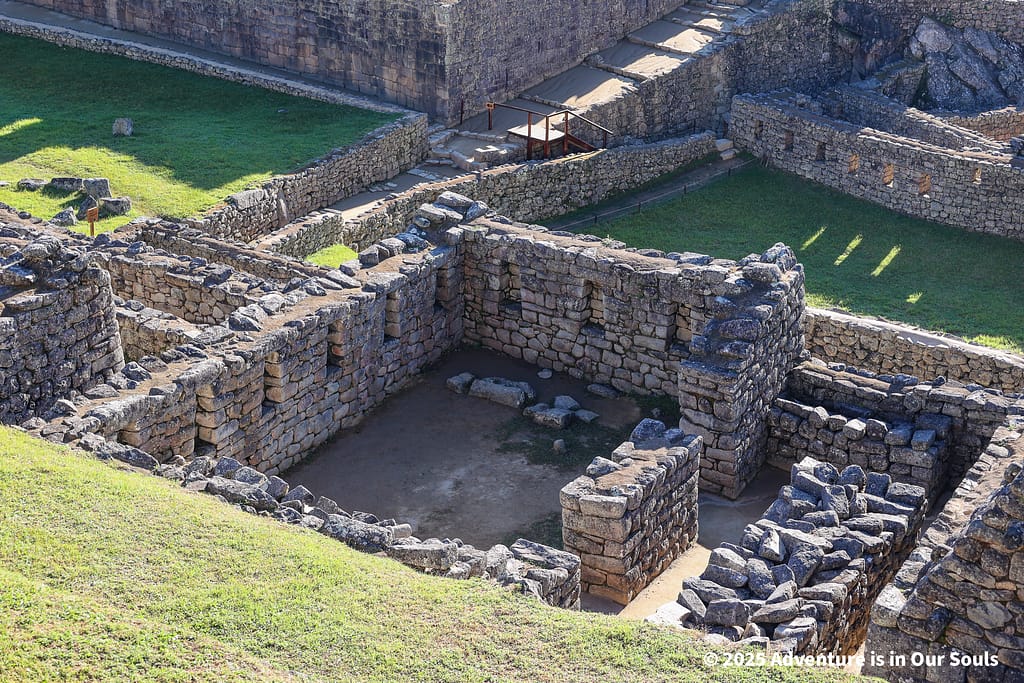
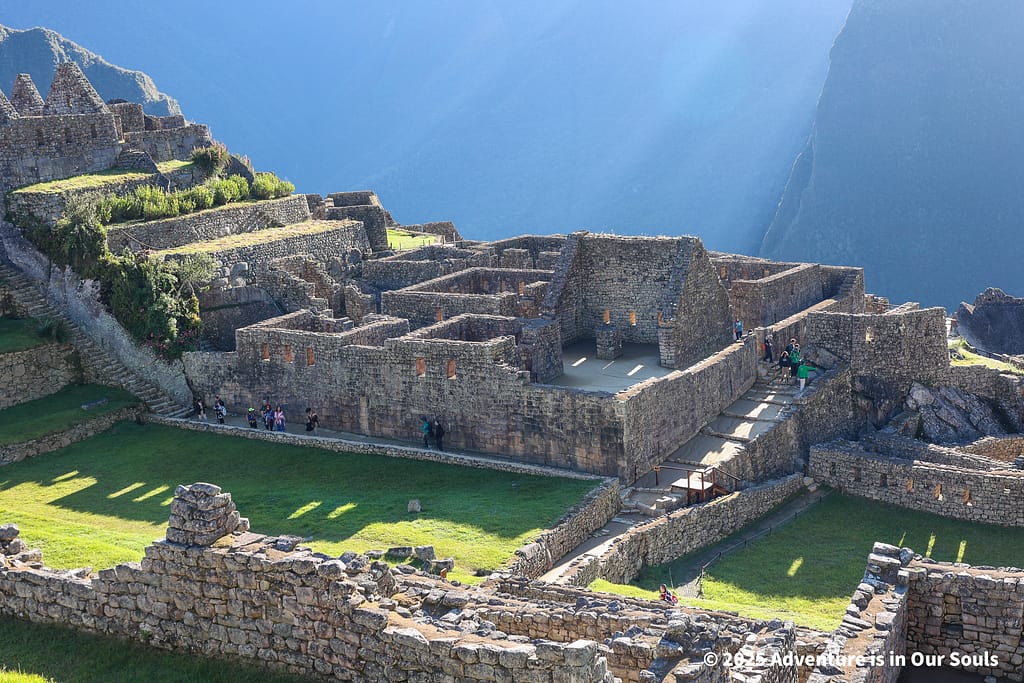
The girls were fascinated by stories about how Inca rulers might have lived here, with spacious rooms for gatherings and special areas for prayer and planning. The palace’s location on a high terrace also offered strategic views, allowing those inside to see approaching visitors or threats. It’s a reminder that Machu Picchu was both a royal retreat and a stronghold.
Temple of the Sun
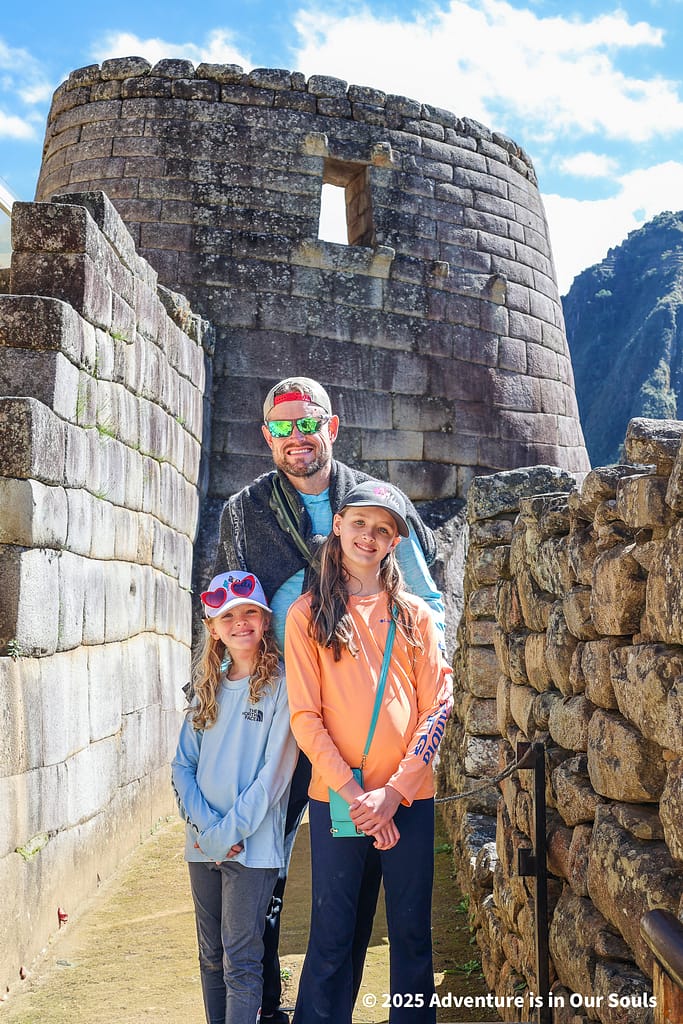
This curved temple was a highlight. Built around a giant stone, the Temple of the Sun has windows aligned with the solstice sunrises. It felt incredible to be here right after the Winter Solstice! There was so much ancient energy! The circular design made it stand out from the other structures.
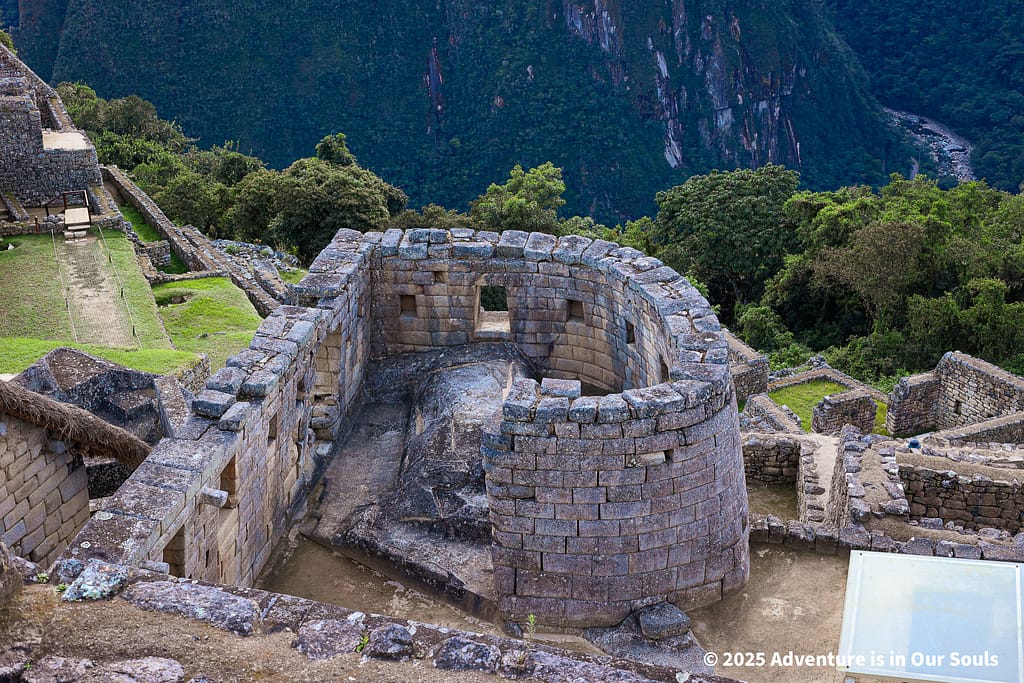
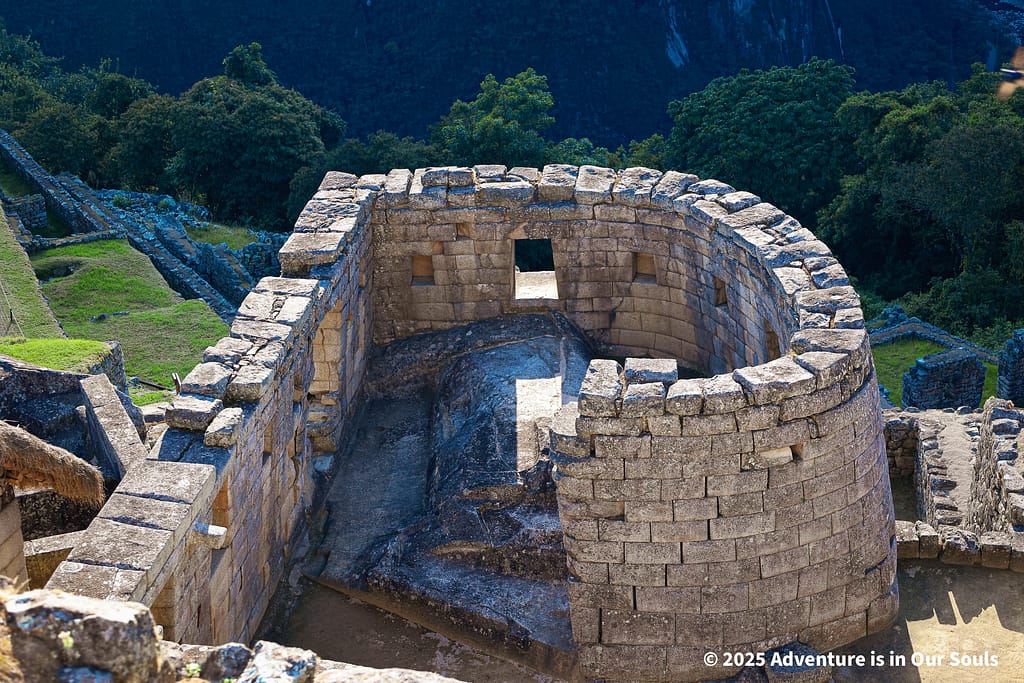
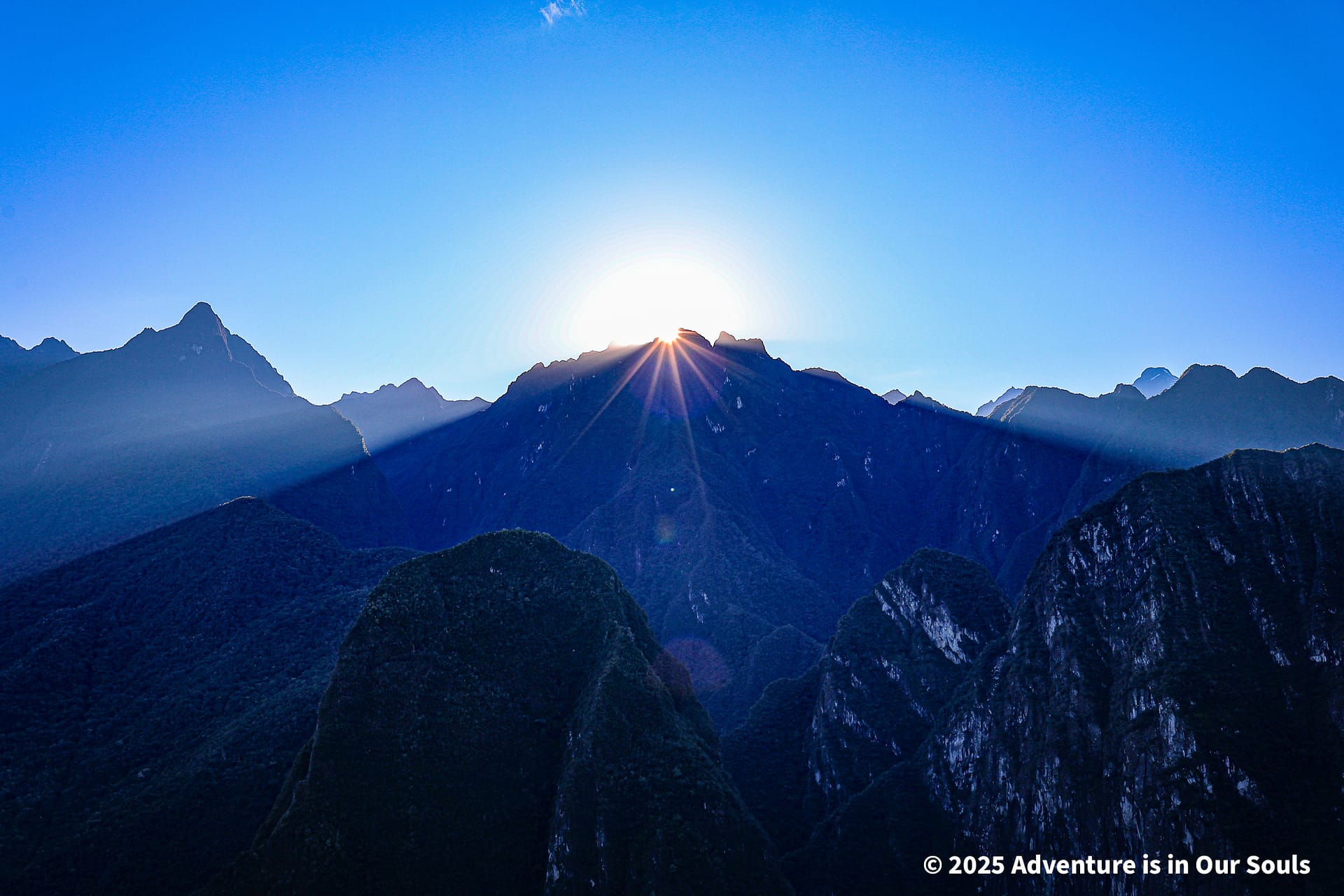
We arrived just in time to watch the sunrise from a viewpoint above the temple. The sun peeked through a perfect notch between two mountain peaks and sent a golden beam through one of the temple’s specially aligned windows. We watched in awe as the light landed directly on a carved stone table inside. It was one of the most unforgettable moments of our entire trip!
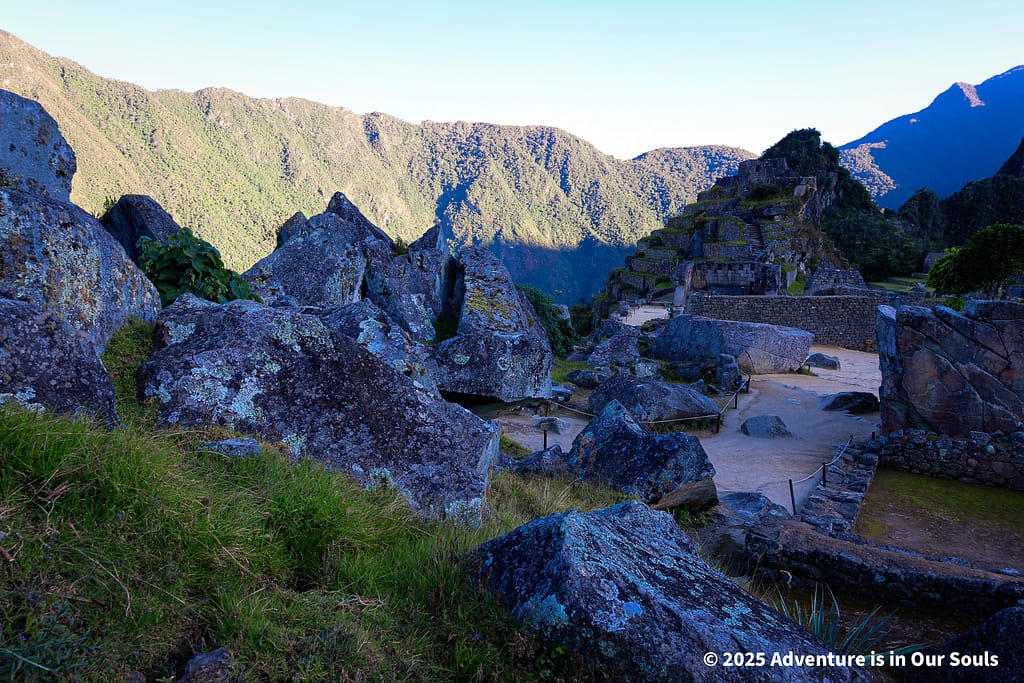
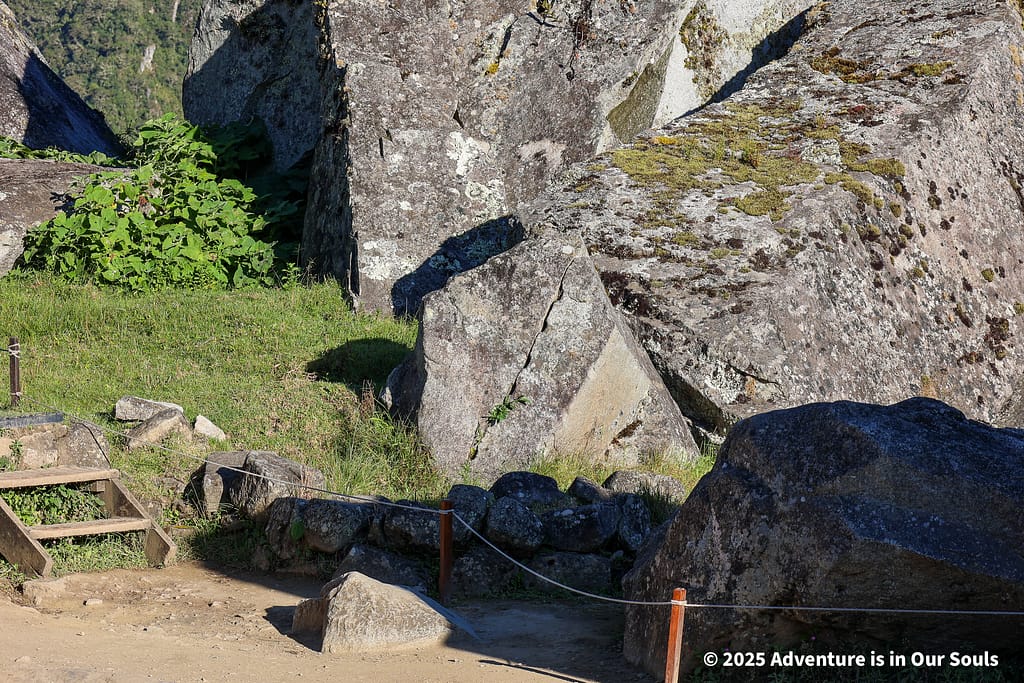
Quarry
We paused here to learn how the Incas extracted stones for their buildings. It’s a jumble of half-finished blocks, and our guide explained how workers shaped them using stone tools. The girls couldn’t believe they built everything without machines or metal tools.
Temples / Sacred Plaza
This area is the spiritual heart of Machu Picchu and truly felt like stepping into the sacred center of the Inca world. We visited several incredible temples here, each with its own unique story and stunning architecture.
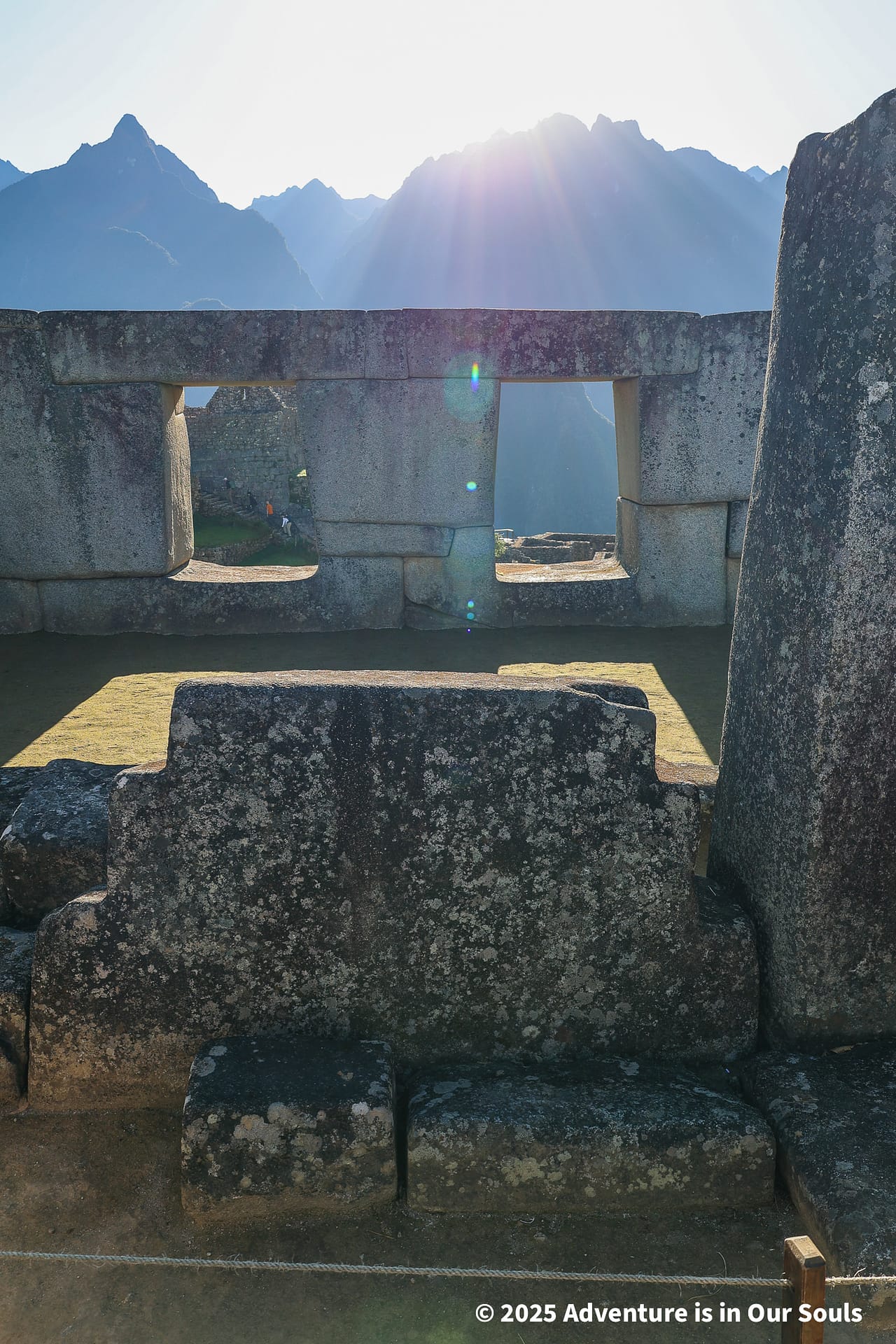
The Temple of the Three Windows was a highlight. Its three large trapezoidal windows are perfectly aligned to catch the morning light. Our guide explained that these windows likely represent the three realms of Inca cosmology: the heavens, the earth, and the underworld. The stonework here is so precise it looks almost modern, and the girls loved imagining the ceremonies that might have taken place inside.
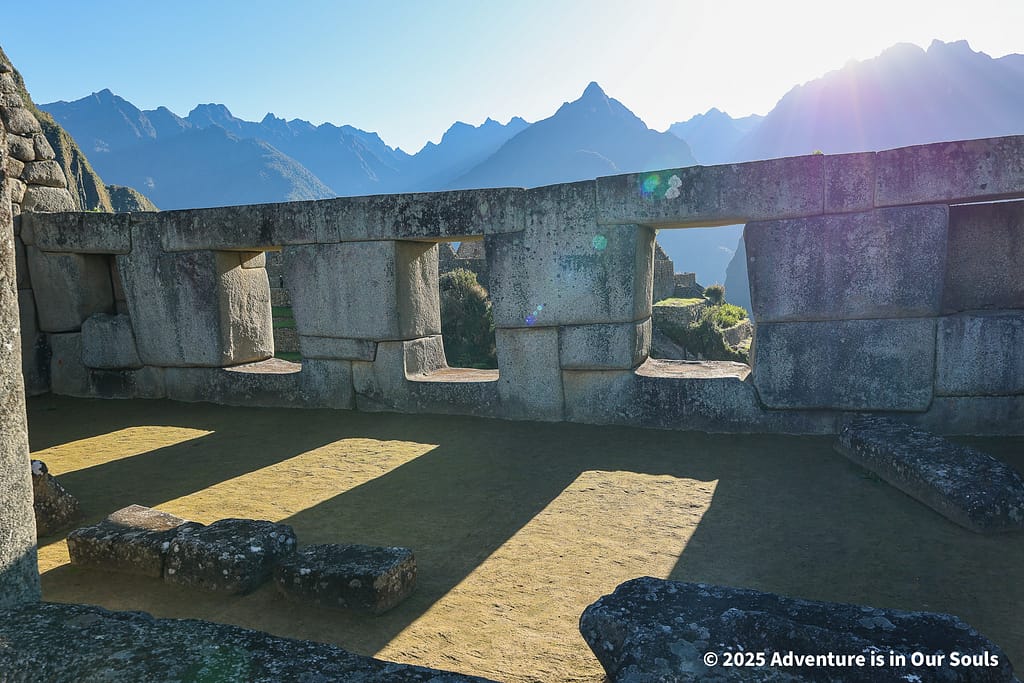
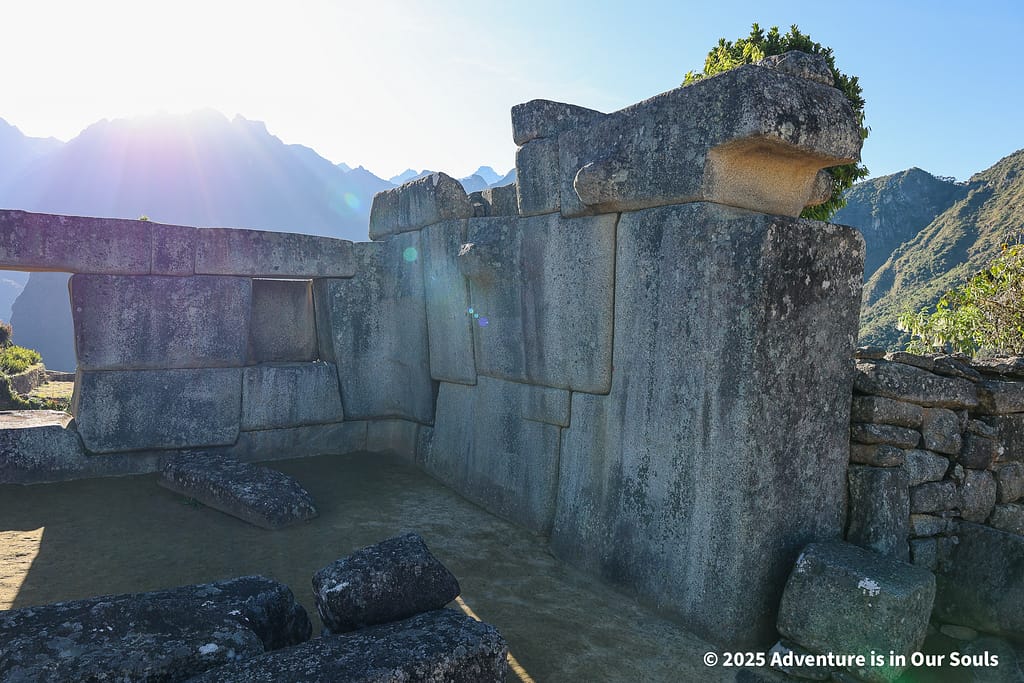
Nearby is the Main Temple, a place believed to be used for important religious rituals. It features massive stone blocks joined without mortar and delicate niches carved into the walls. The sunlight streaming through its openings created magical patterns, making the space feel alive and sacred.
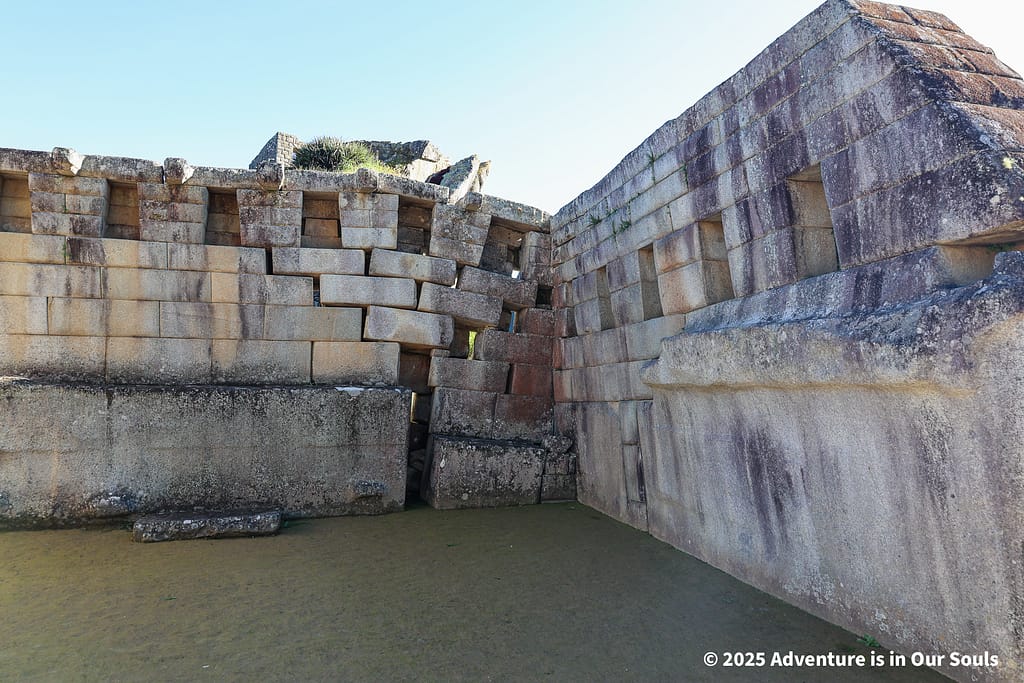
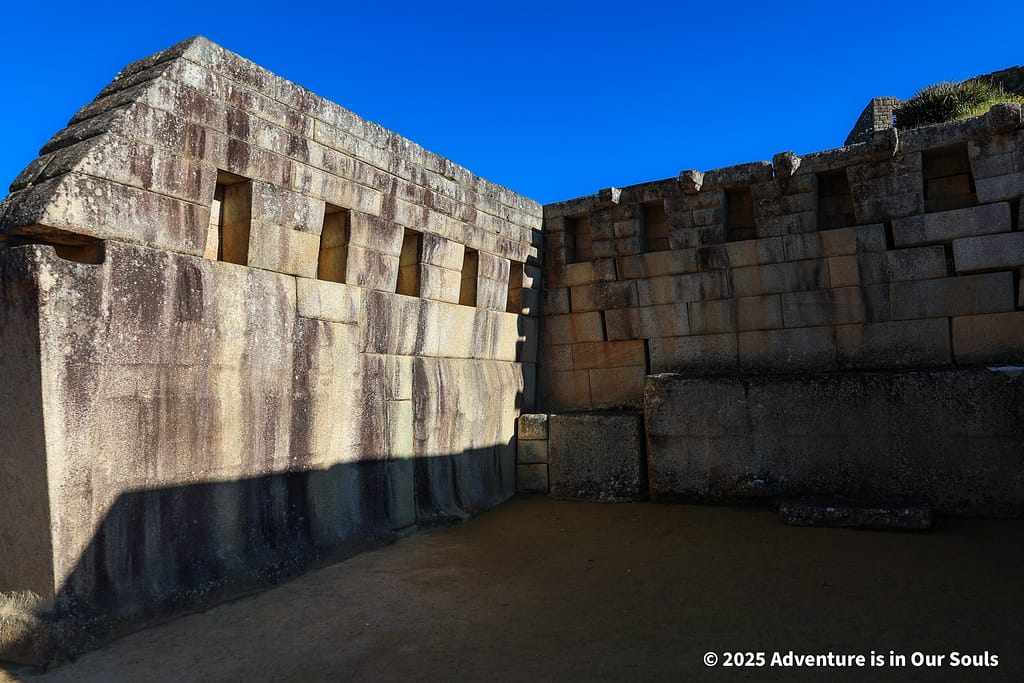
The Priest’s House sits just behind the Main Temple and is thought to have been where high priests or shamans lived. It’s smaller but carefully built, with windows that frame views of the surrounding mountains. Standing there, we could almost feel the quiet power of the people who once called this home.
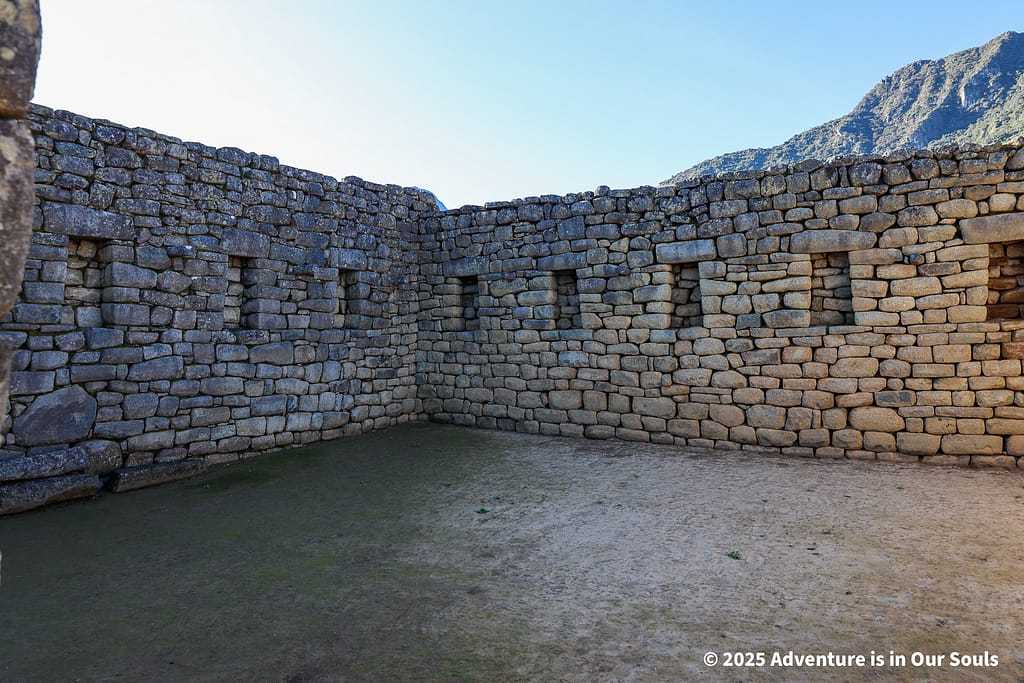
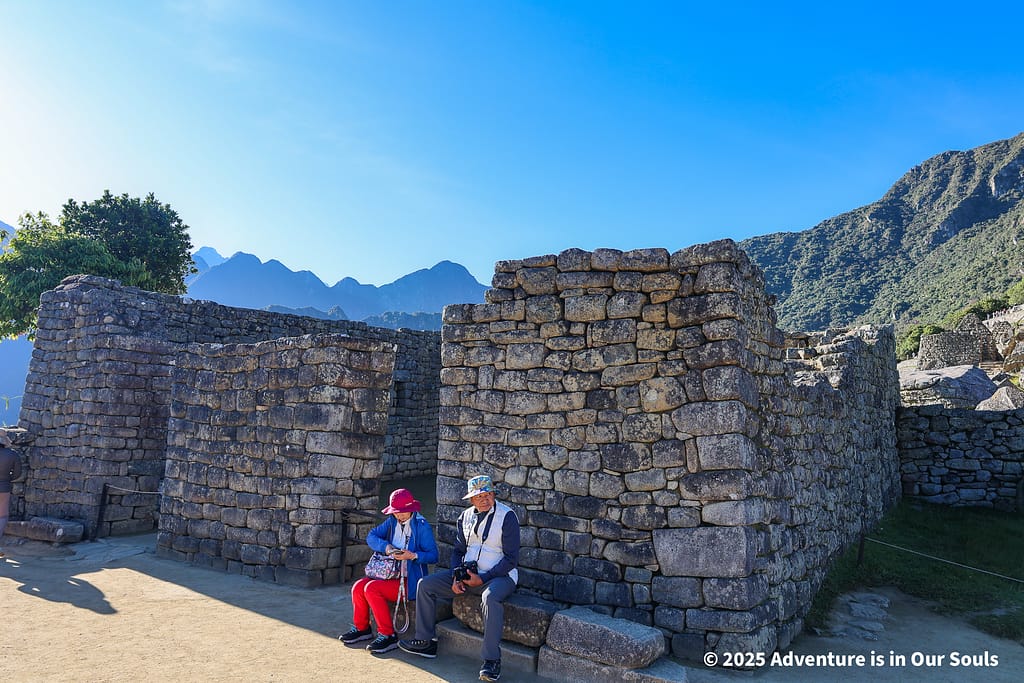
Together, these temples and the open plaza form a peaceful yet powerful setting. The girls were fascinated by the stories and the beautiful craftsmanship. It was a serene place to pause, reflect, and soak in the spiritual energy of Machu Picchu.
Intihuatana Pyramid
At the top of this small pyramid sits the Intihuatana stone, believed to be an ancient sundial. It was roped off, but we got close enough to see its fine angles and carvings. Our guide explained its role in tracking solar events.
Main Plaza
The Main Plaza is the large open grassy area at the center of Machu Picchu. It served as a gathering place for ceremonies, festivals, and community events. Walking around this space, we could almost hear the echoes of ancient celebrations and feel the vibrant life that once filled the citadel.
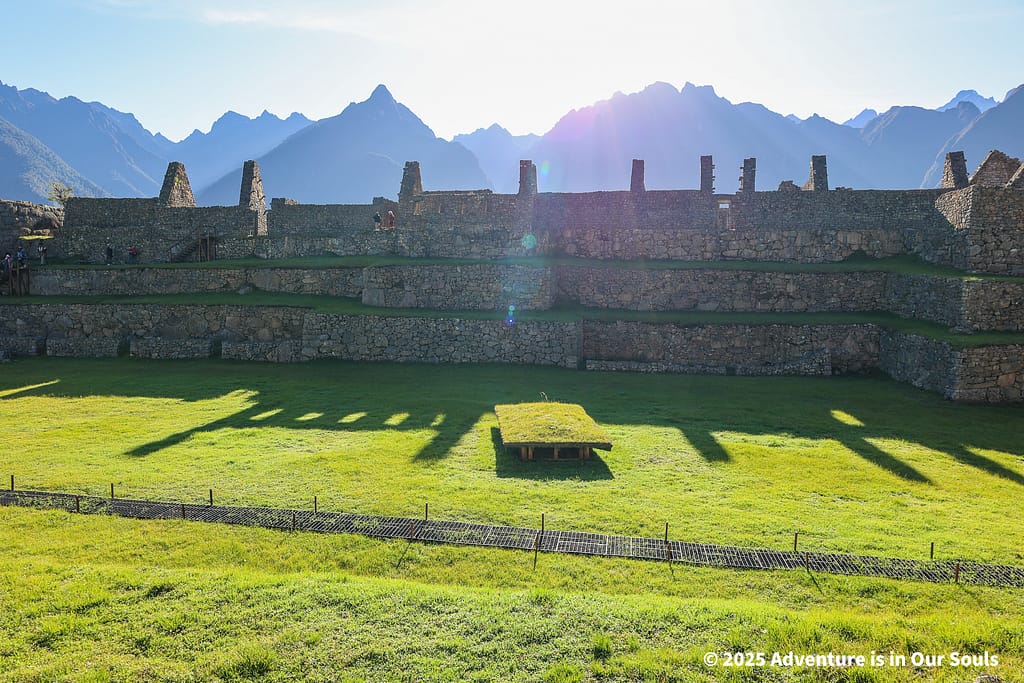
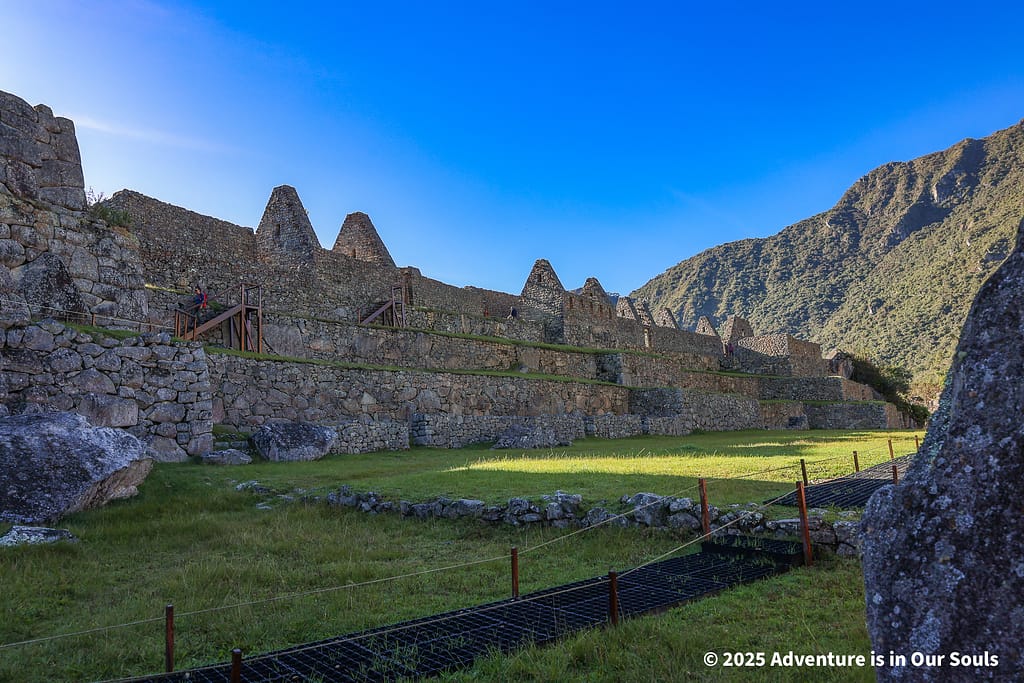
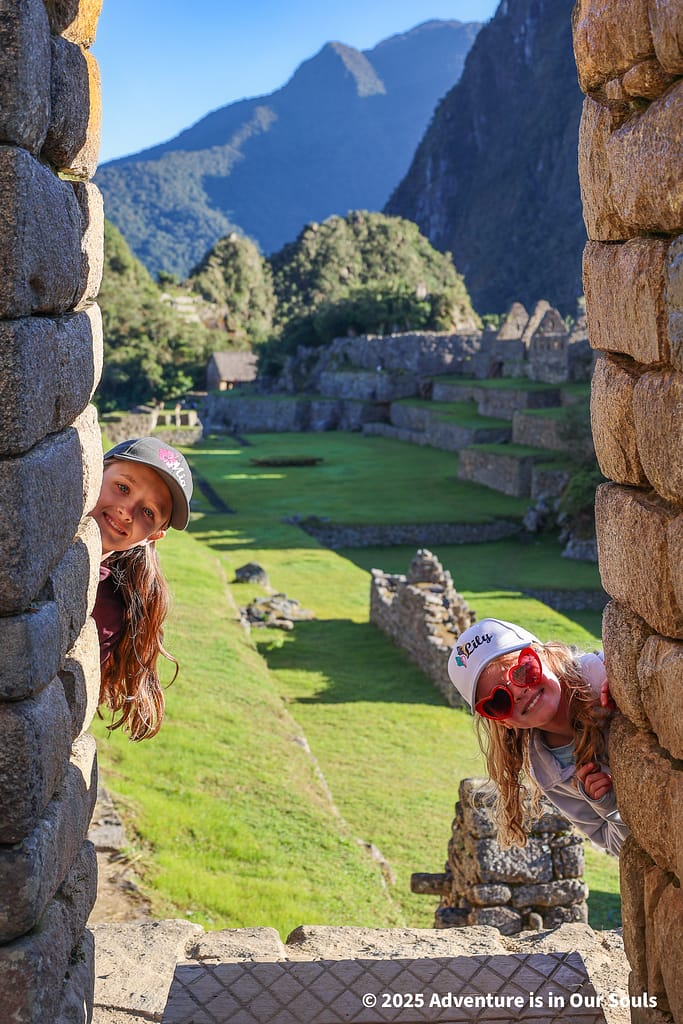
One of the coolest surprises for the girls was spotting wild llamas roaming freely around the Main Plaza. These gentle creatures seemed right at home among the ruins, peacefully grazing on the grass. Buttercup and Spider Monkey loved watching them and even tried to get a closer look while our guide explained that llamas were essential to Inca life. They provided wool and meat and were also used as pack animals to carry goods along the mountain trails.
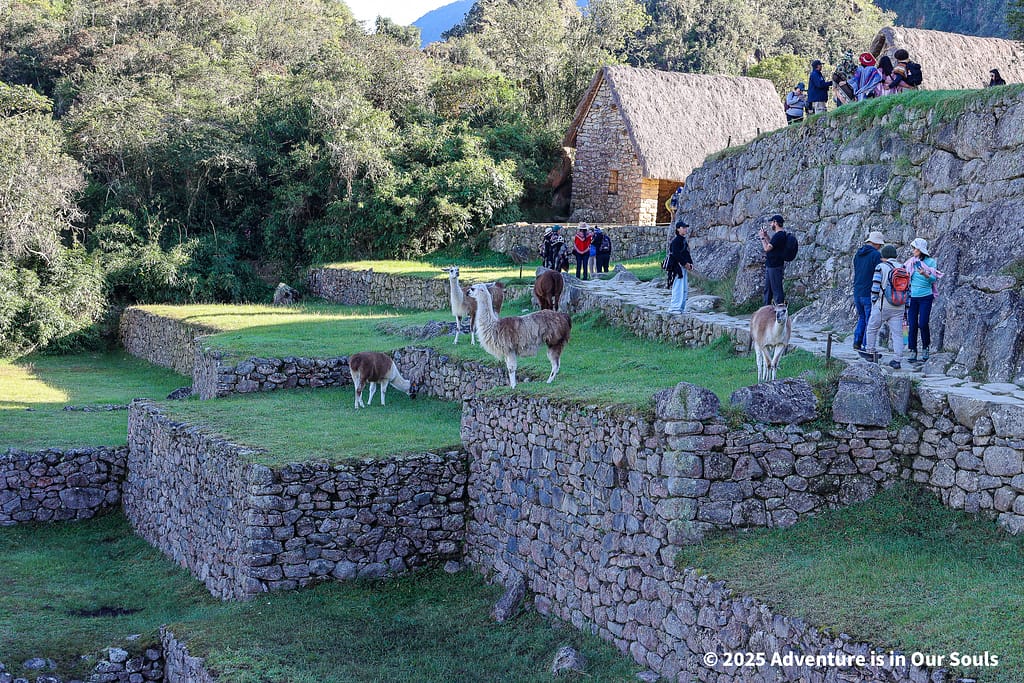
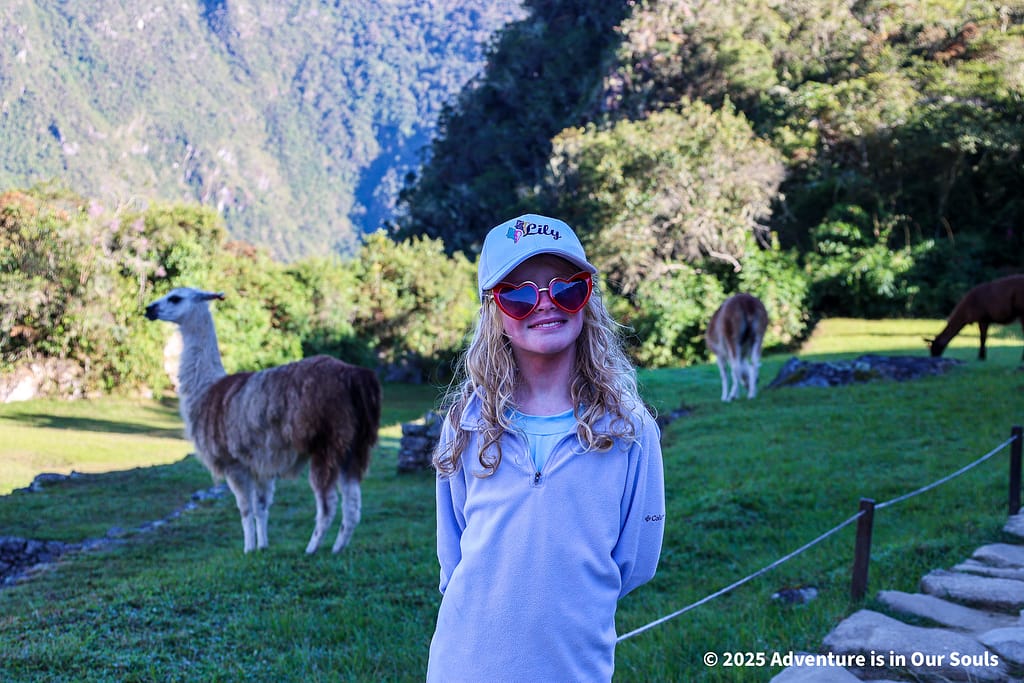
The llamas added a playful, lively element to the plaza, making it feel, in a way, like the city was still alive. It was a beautiful moment of nature blending seamlessly with history.
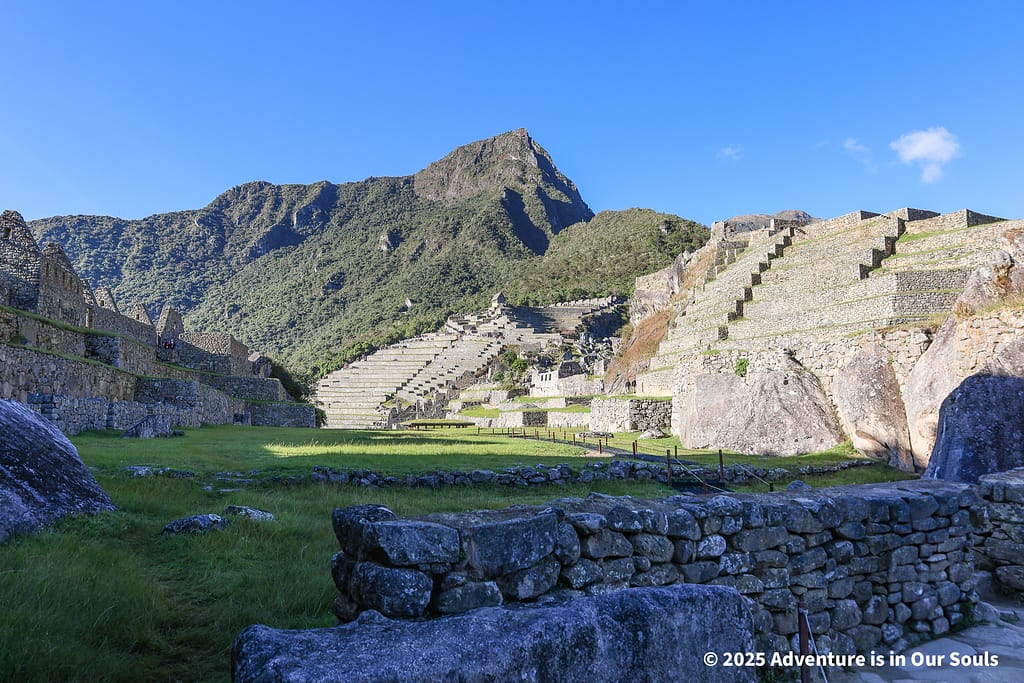
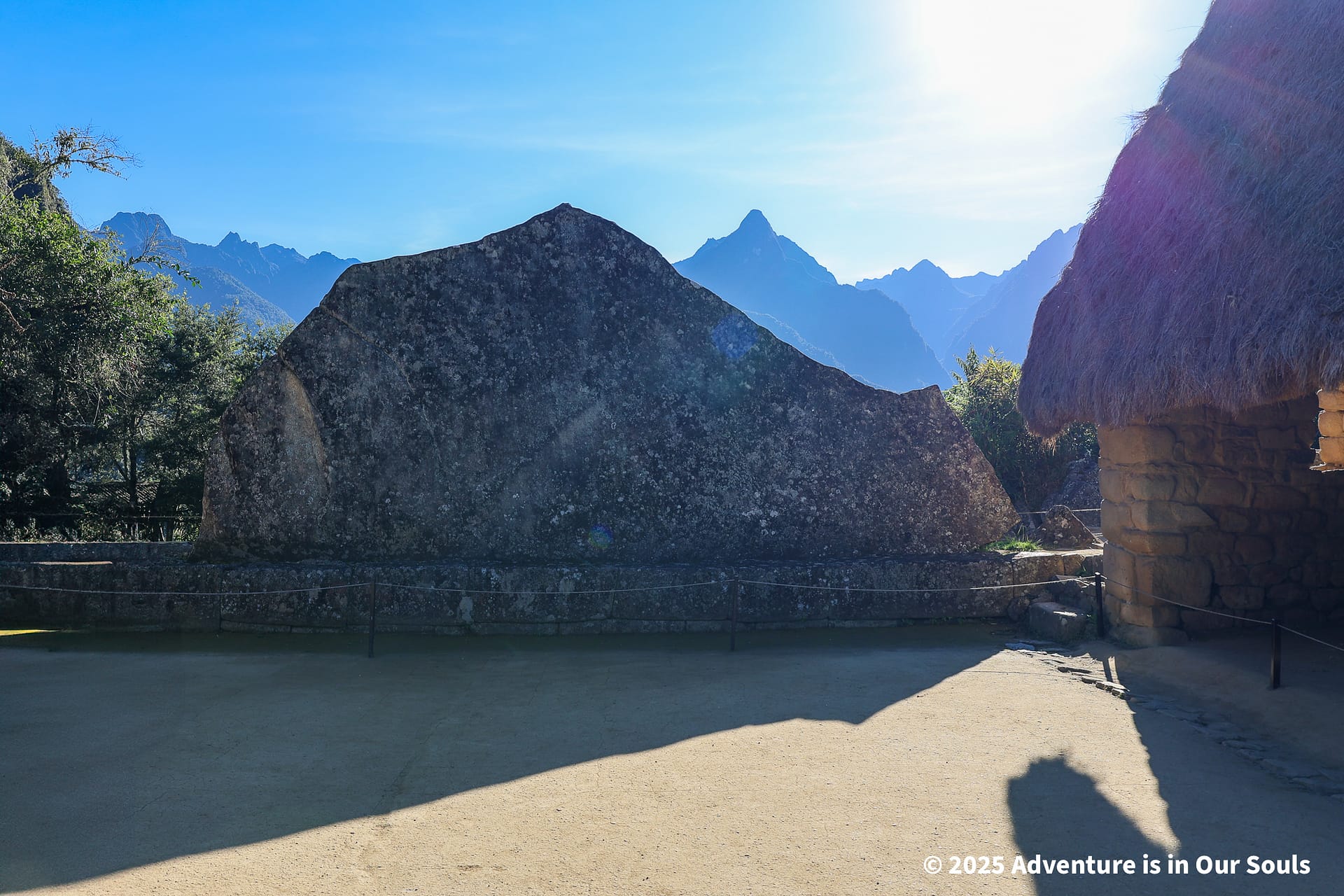
Sacred Rock
Shaped like a mountain, this giant rock was likely used in ceremonies. It faces Huayna Picchu and looks like a natural altar.
Industrial Sector
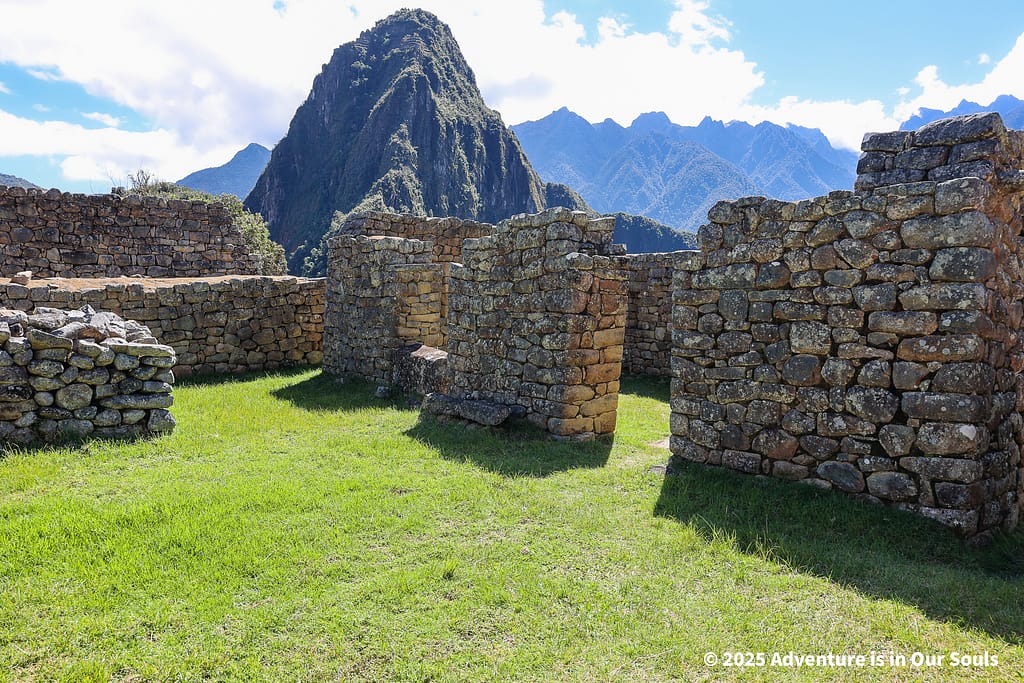
The Industrial Sector of Machu Picchu offered a fascinating glimpse into the everyday working life of the Inca. Unlike the finely polished stonework of the royal areas and temples, the buildings here have a rougher, more utilitarian feel. The stones were shaped to fit together securely, but they weren’t smoothed to perfection like in the sacred spaces. This practical style shows that these structures were built for function rather than ceremony.
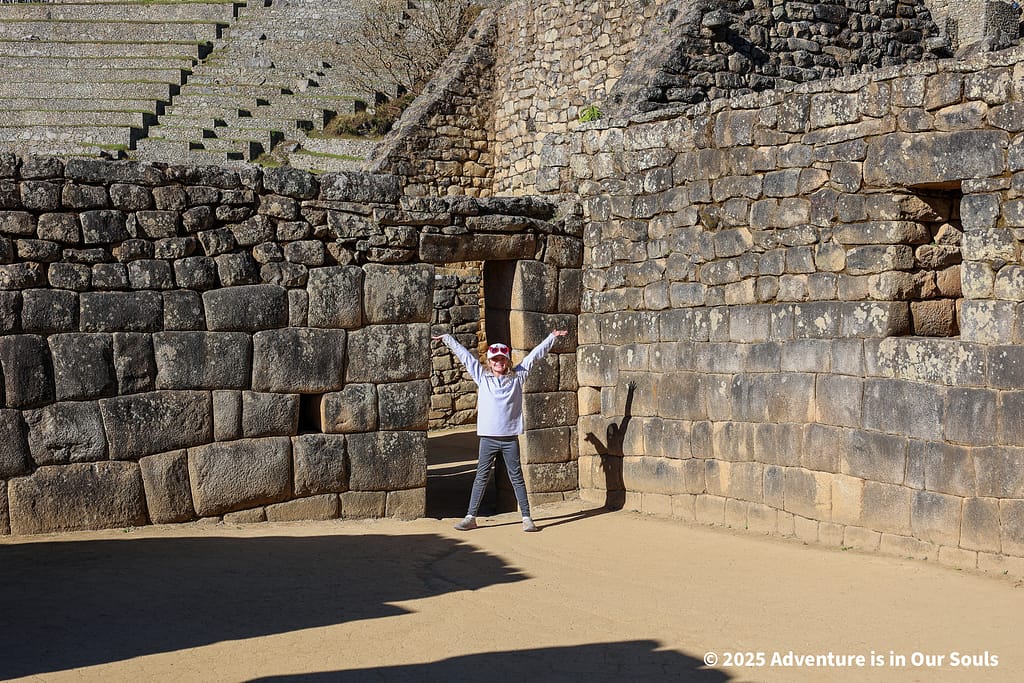
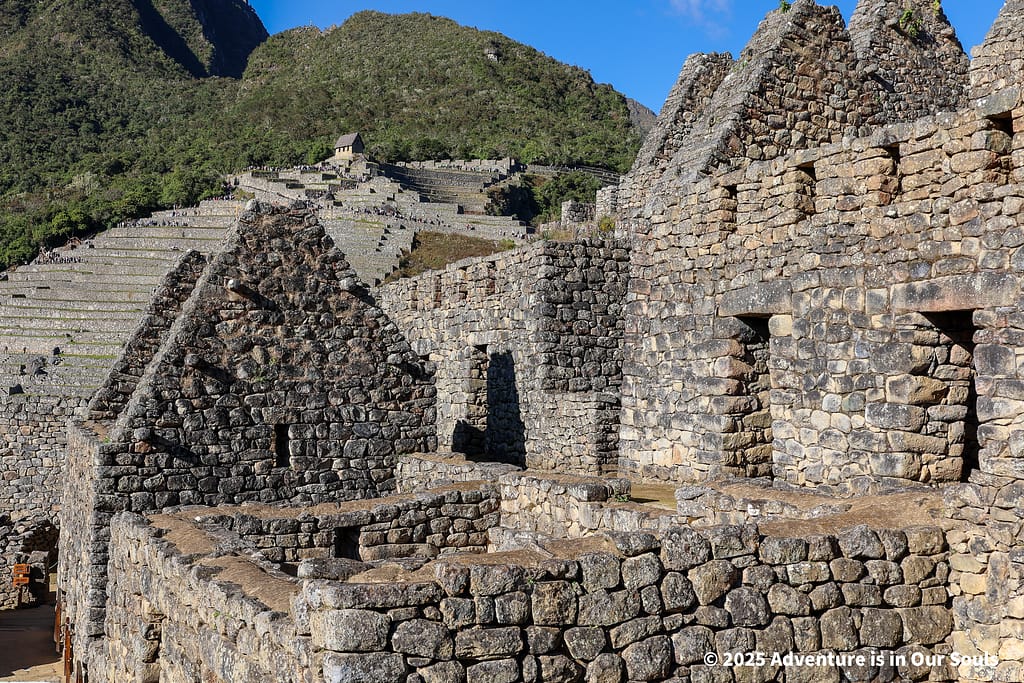
This area likely housed workshops where pottery was made, textiles were woven, and tools were crafted. We saw several niches and workspaces where artisans would have carried out their trades. It felt like stepping into a bustling Inca workshop, full of creativity and hard work. Our guide explained how this part of the city was essential for supporting the community, providing the goods and repairs needed every day.
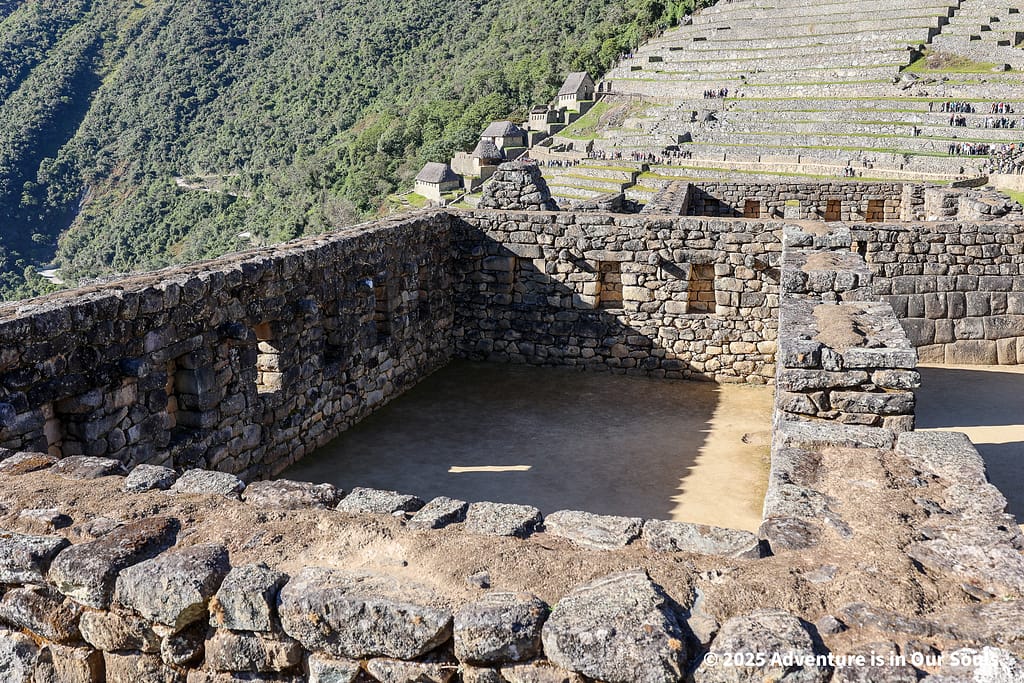
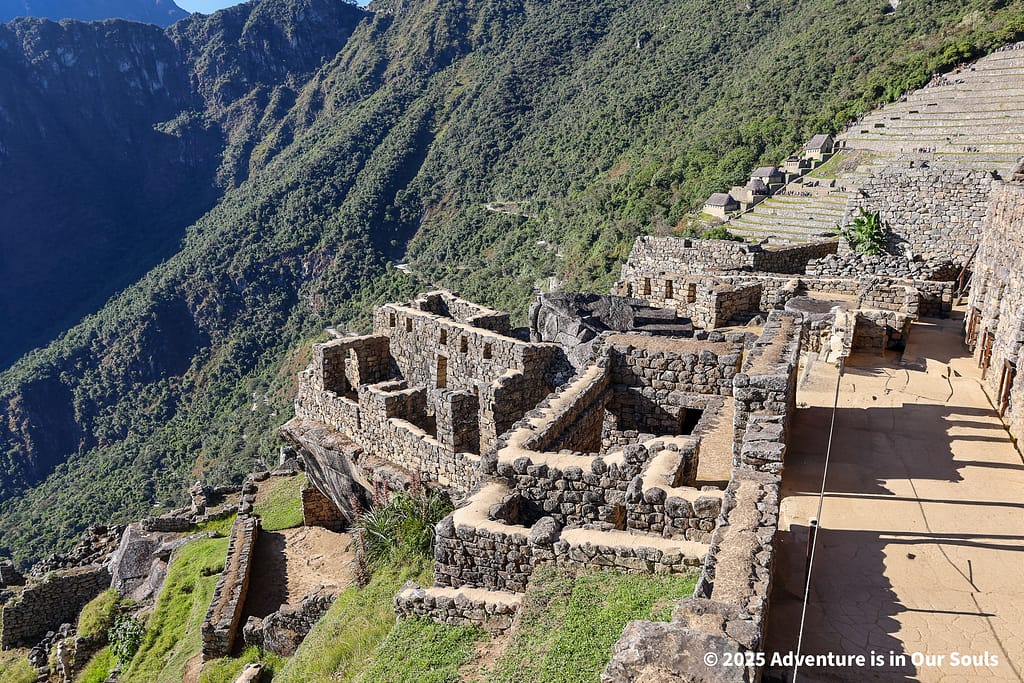
The contrast between the Industrial Sector and the nearby royal and religious buildings was striking. While the temples boast intricate designs and symbolic features, the Industrial Sector reflects the practical side of Inca life. The girls found it interesting to see this side of Machu Picchu and appreciated that the city was a complete, thriving society, not just a royal retreat.
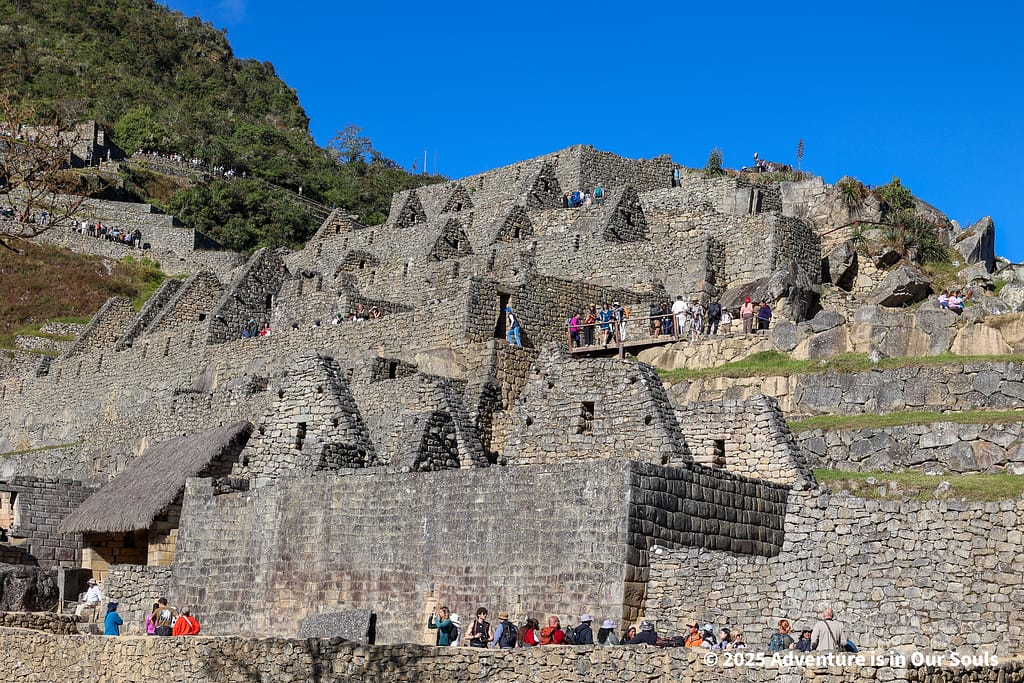
Inca Oriental Storehouses
These buildings stored food and goods. Their narrow windows and thick walls kept everything cool. The girls found them cozy and called them “Inca pantries.”
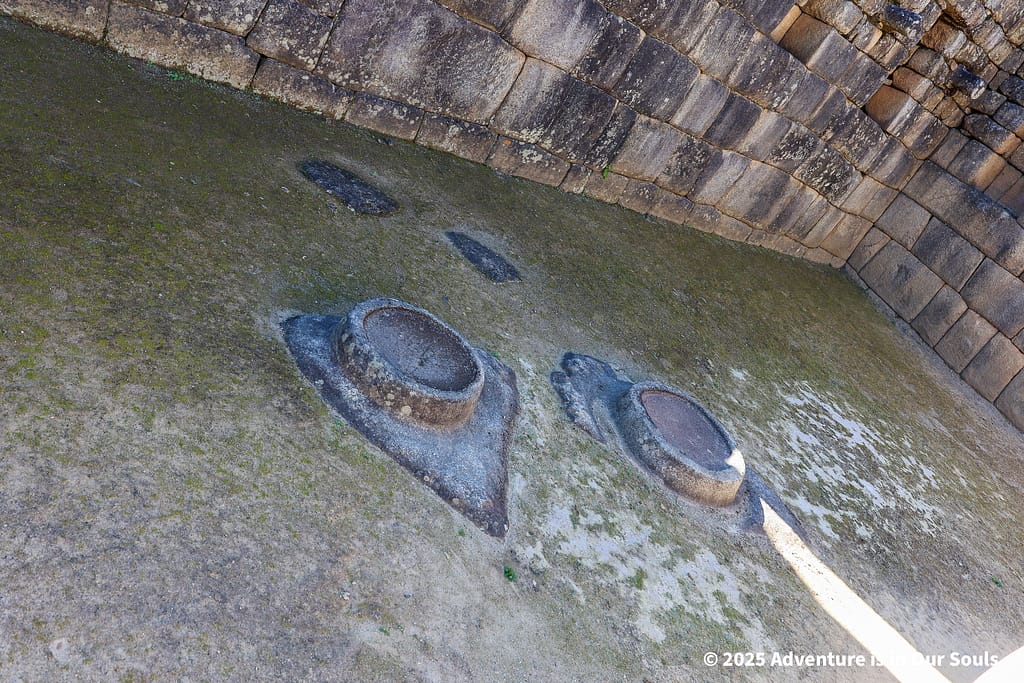
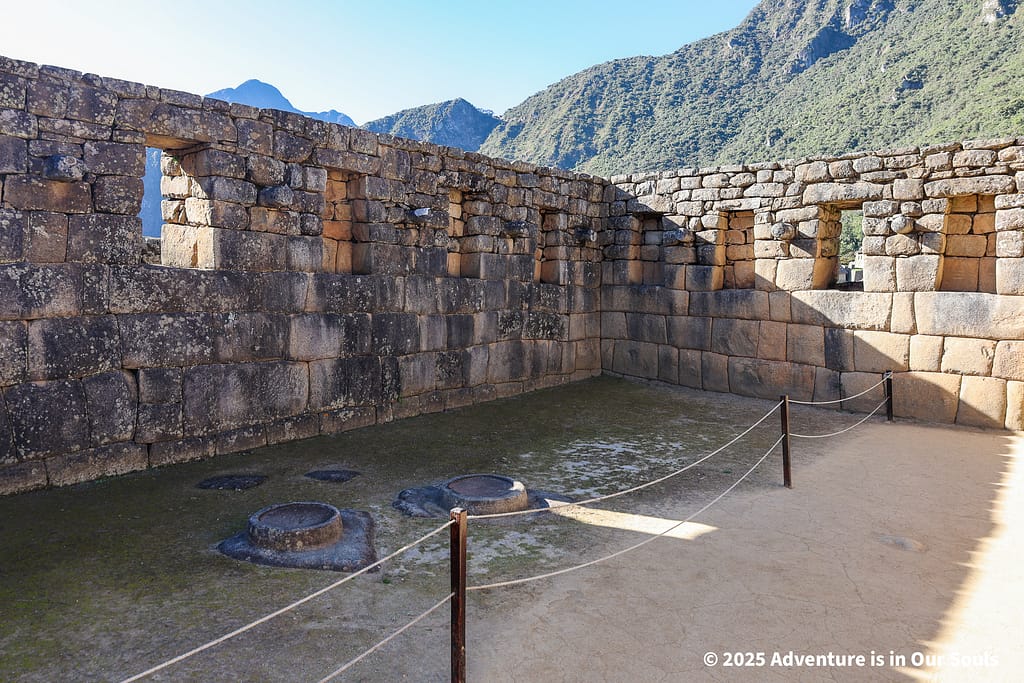
Water Mirrors
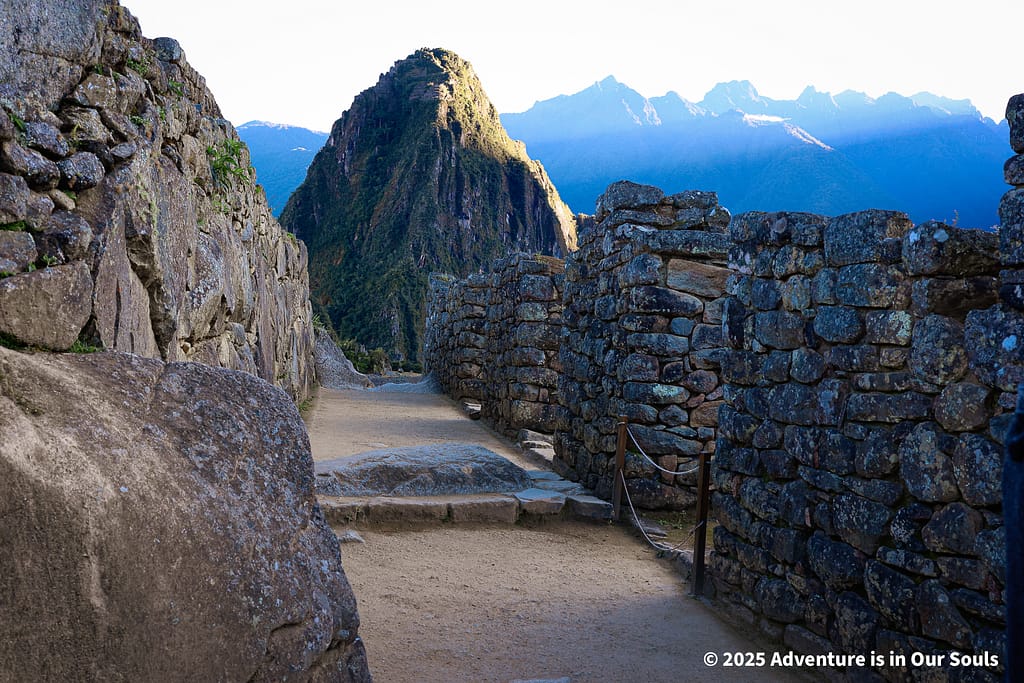
These shallow stone basins were possibly used for star gazing or ritual reflection.
Other Stops
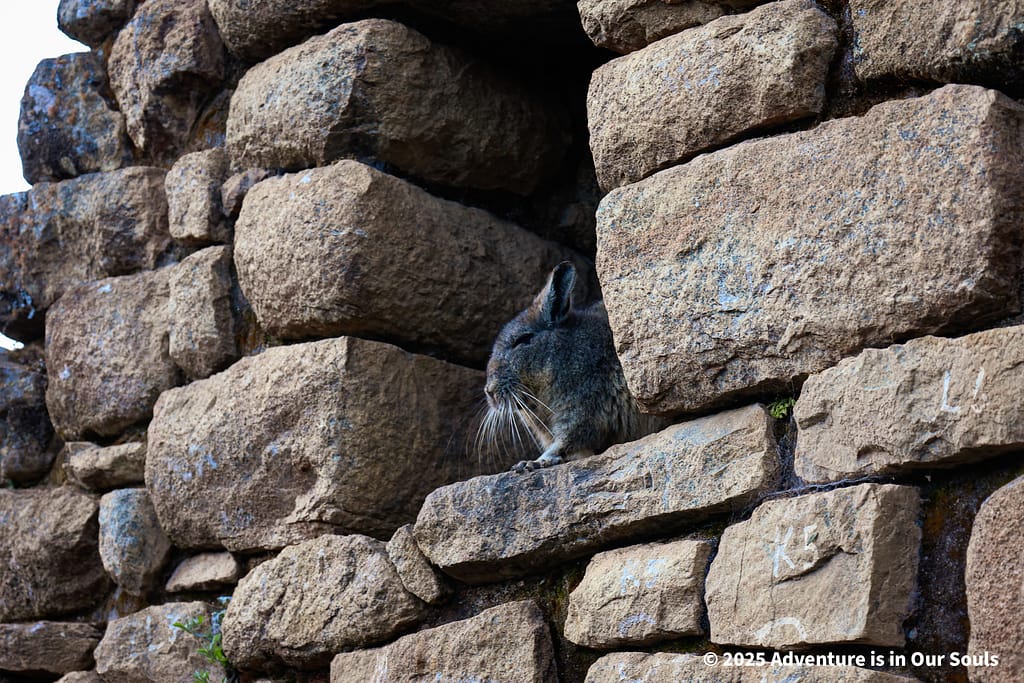
Along the way, we saw llamas grazing, smaller temples, and lookout spots with jaw-dropping views. The circuit felt like a magical maze of discovery, and the girls were engaged the entire time.
Visiting Machu Picchu: Circuit 3B – Exploring Different Perspectives
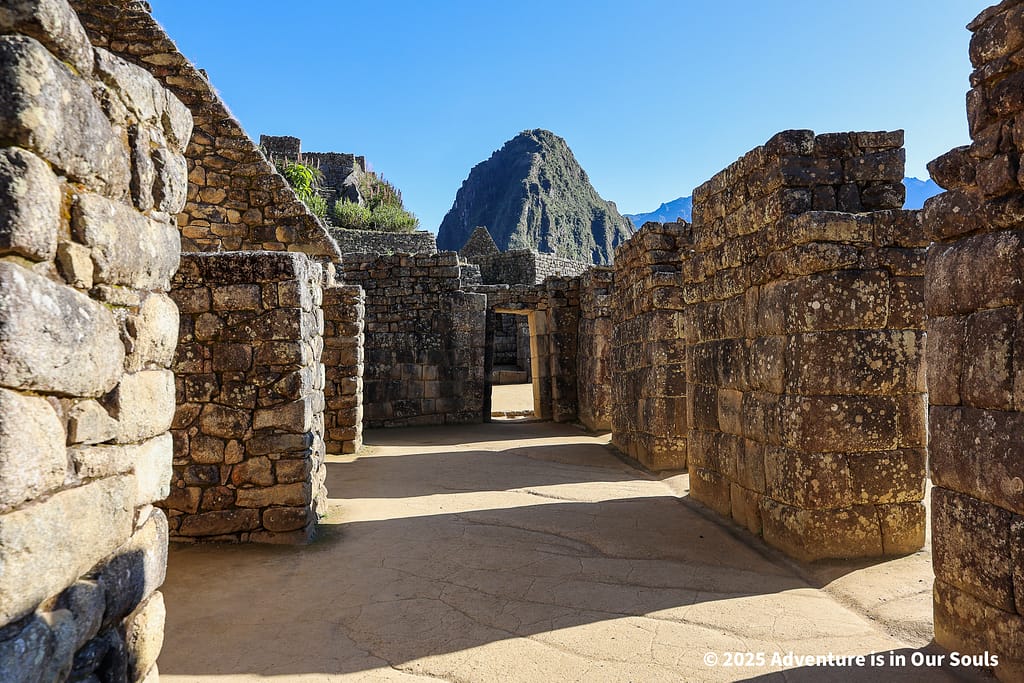
After finishing our in-depth Circuit 2A tour, we set out at 10 am for Circuit 3B. This route that offered a fresh perspective of Machu Picchu’s ruins and surroundings. Unlike 2A, Circuit 3B takes a slightly different path, highlighting areas that are often less crowded while offering views from lower terraces and alternative angles. We didn’t have a guide for this circuit, so it felt like a relaxed, self-led adventure after the busy morning.
The Views
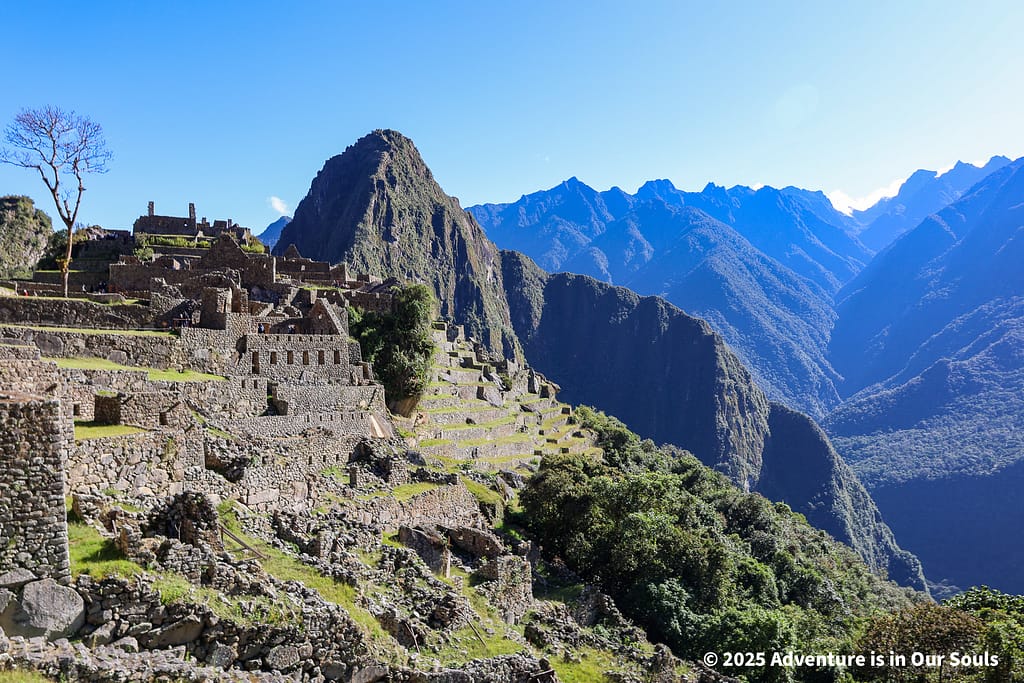
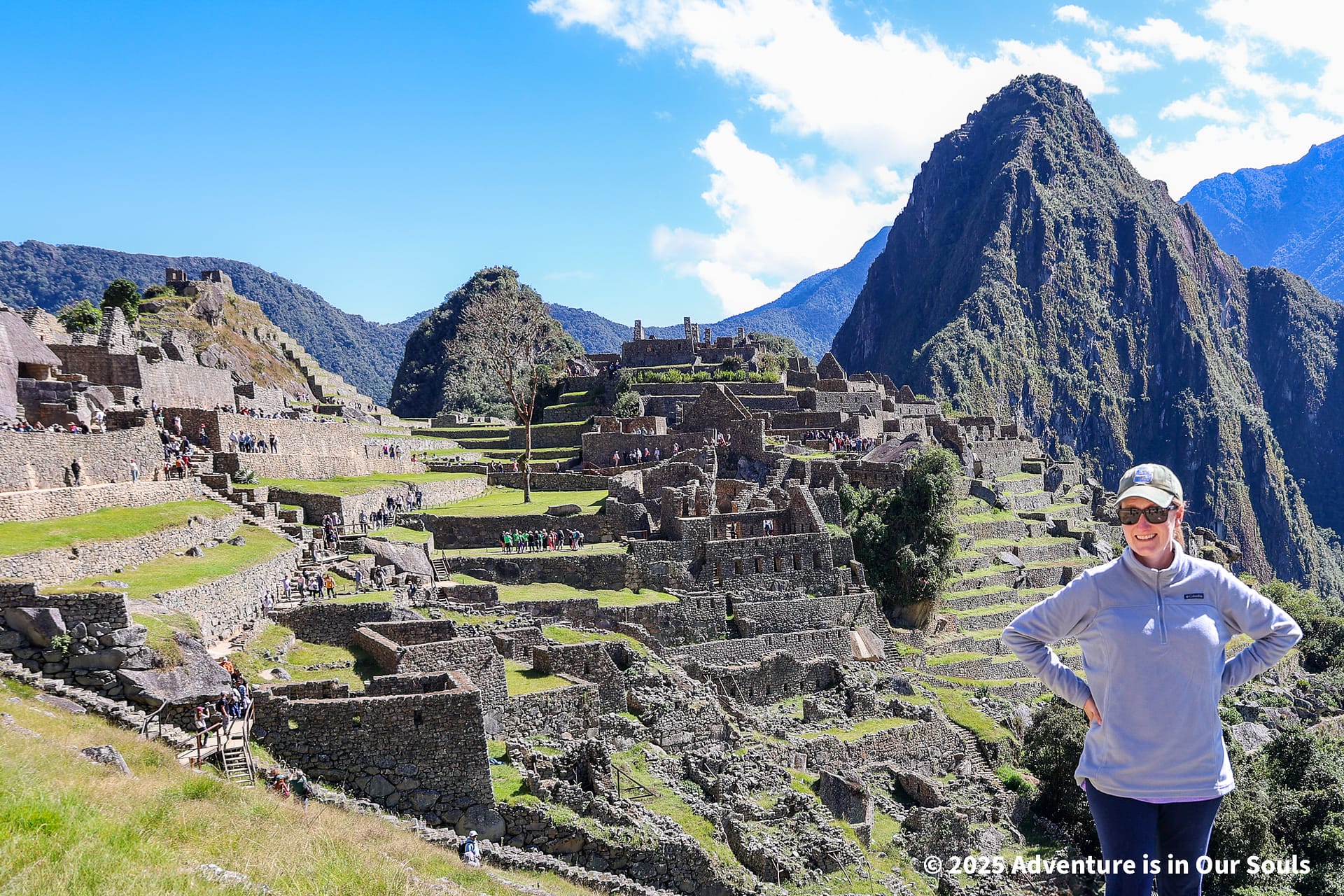
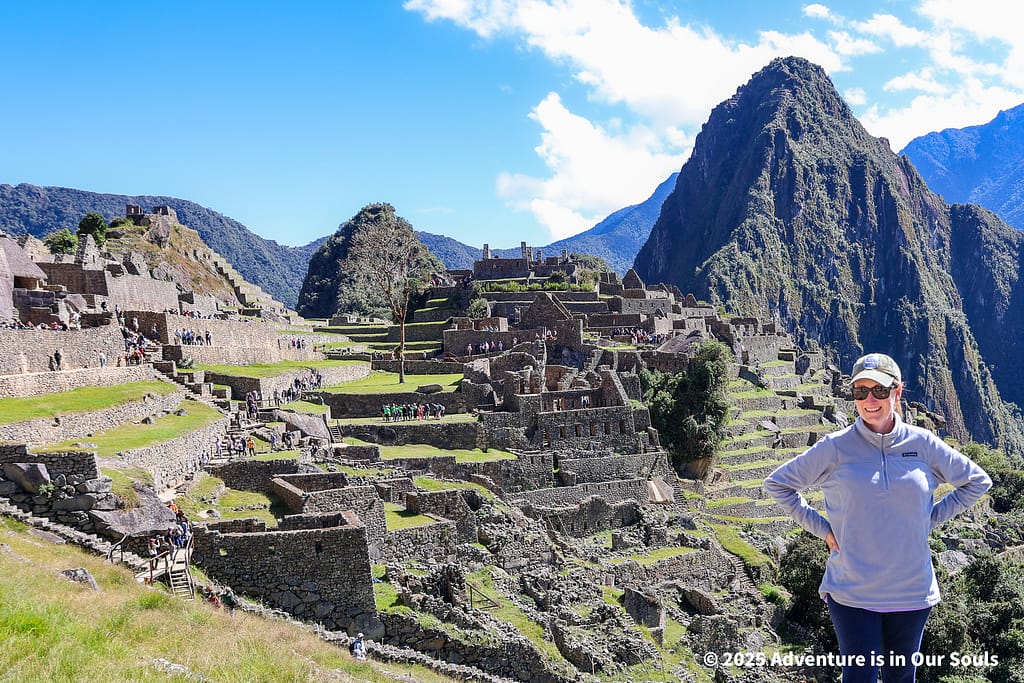
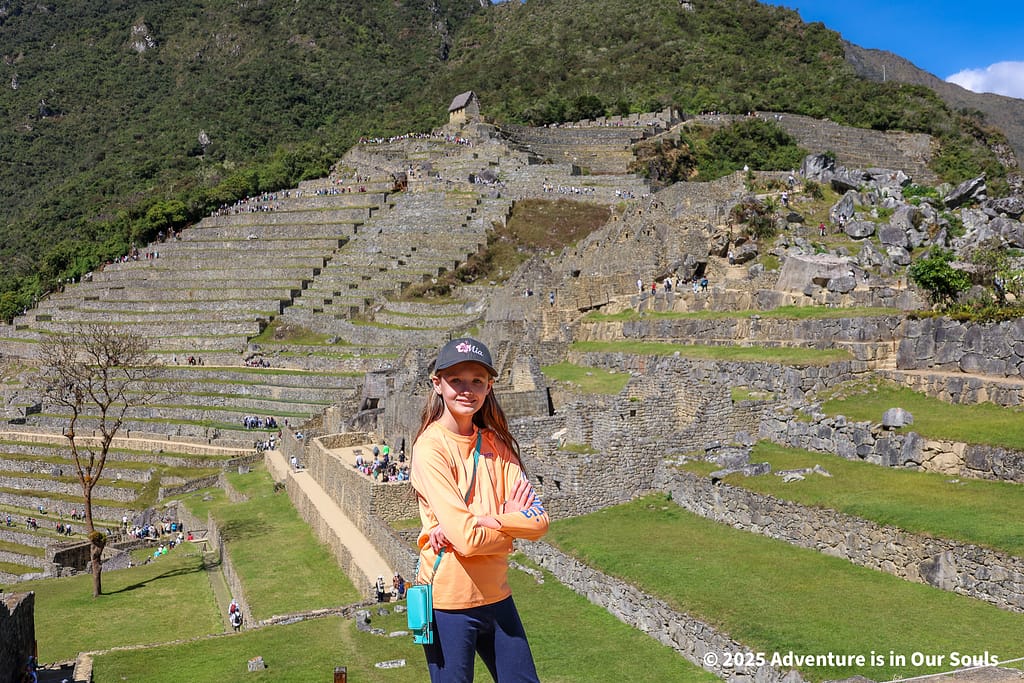
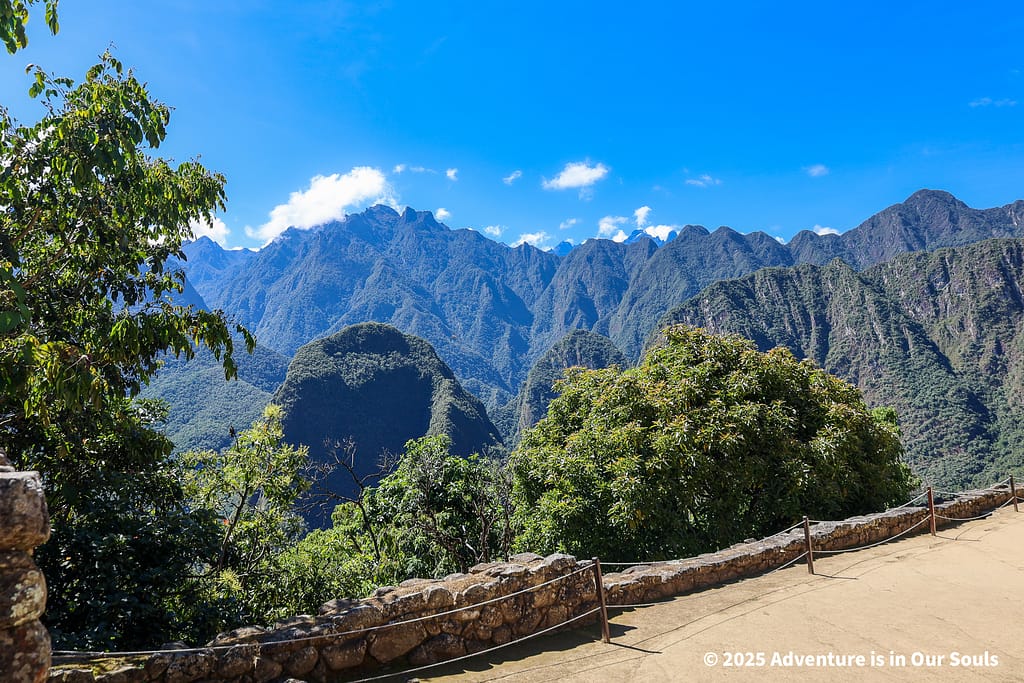
Circuit 3B offers stunning views that contrast with those on Circuit 2A. While 2A begins with expansive panoramic vistas from the upper terraces, 3B often reveals Machu Picchu from the mid and lower terraces. The perspective feels more intimate here, with close-up views of stonework and gardens. From some vantage points, you see the terraces stacking dramatically down the mountainside. The angles emphasize the verticality and natural harmony of the citadel, a wonderful contrast to the broad outlooks of 2A.
Inca Storehouses
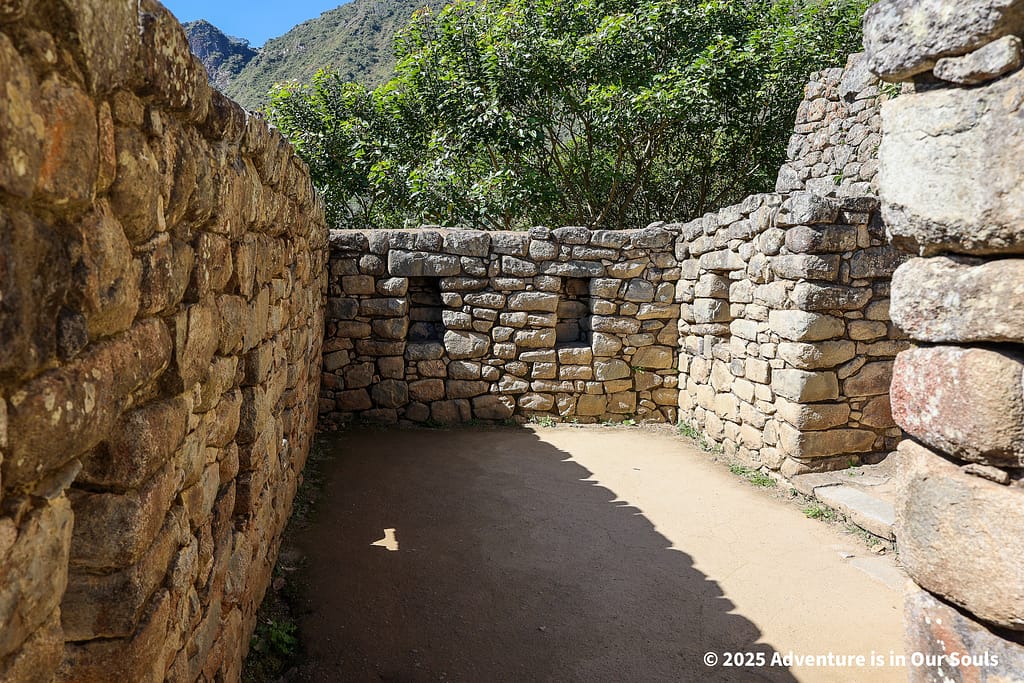
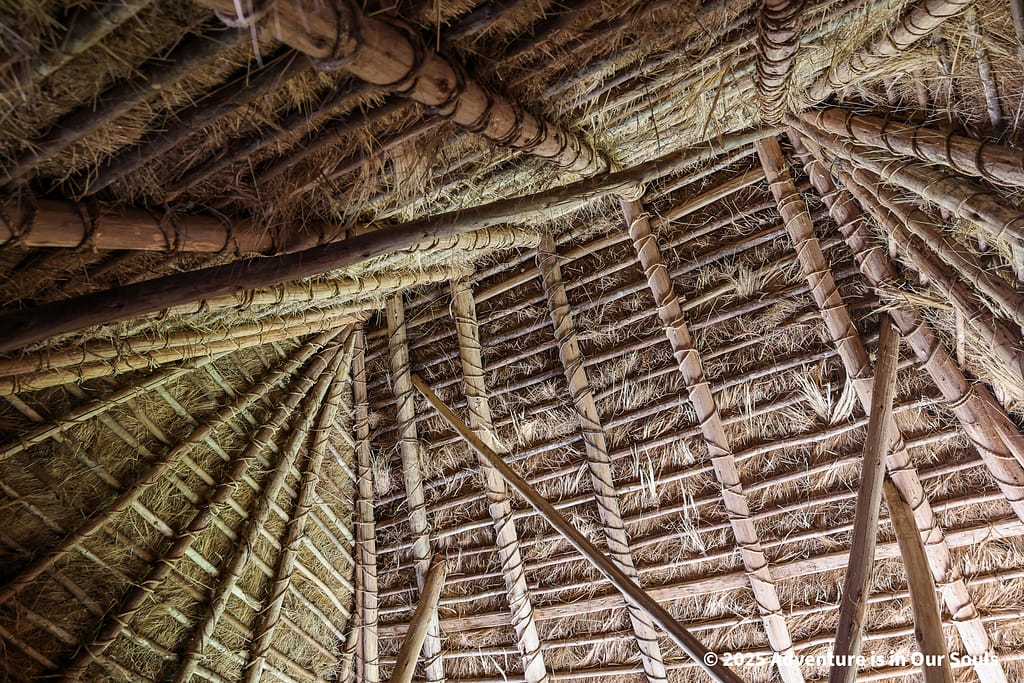
On Circuit 3B, the Inca storehouses appear from a different angle. Instead of the distant overview on 2A, here we could closely inspect the thick walls and narrow trapezoidal windows that kept food cool. The structure’s purpose as a storage space for grains and other essentials felt very tangible. The detail in the stone fitting was easier to appreciate up close.
Agricultural Sector
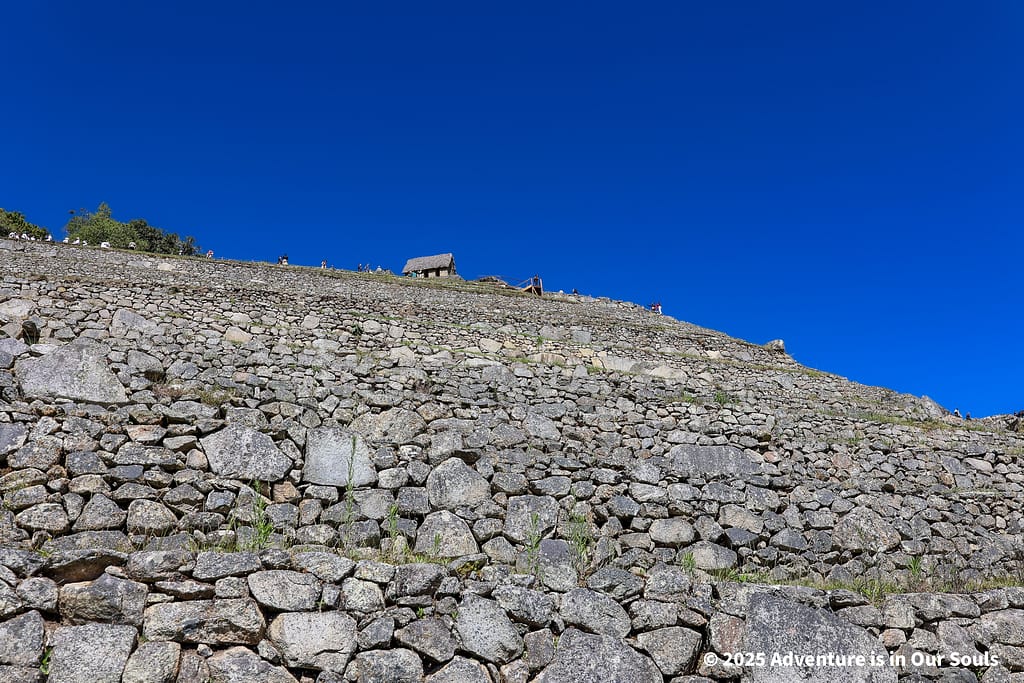
While Circuit 2A showcases the agricultural terraces from a higher viewpoint, 3B lets you walk right alongside some of the lower terraces. This up-close experience shows how carefully the Incas engineered drainage and soil retention. The lower terraces feel like stepping stones into the mountainside, and the girls enjoyed imagining how crops grew here hundreds of years ago.
Water Fountains
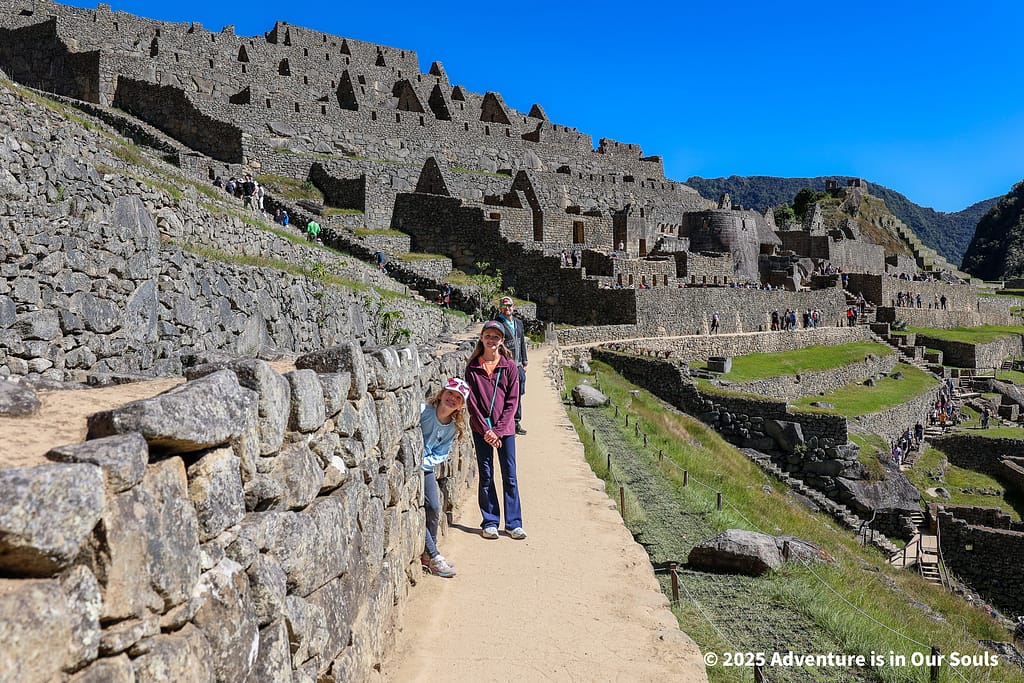
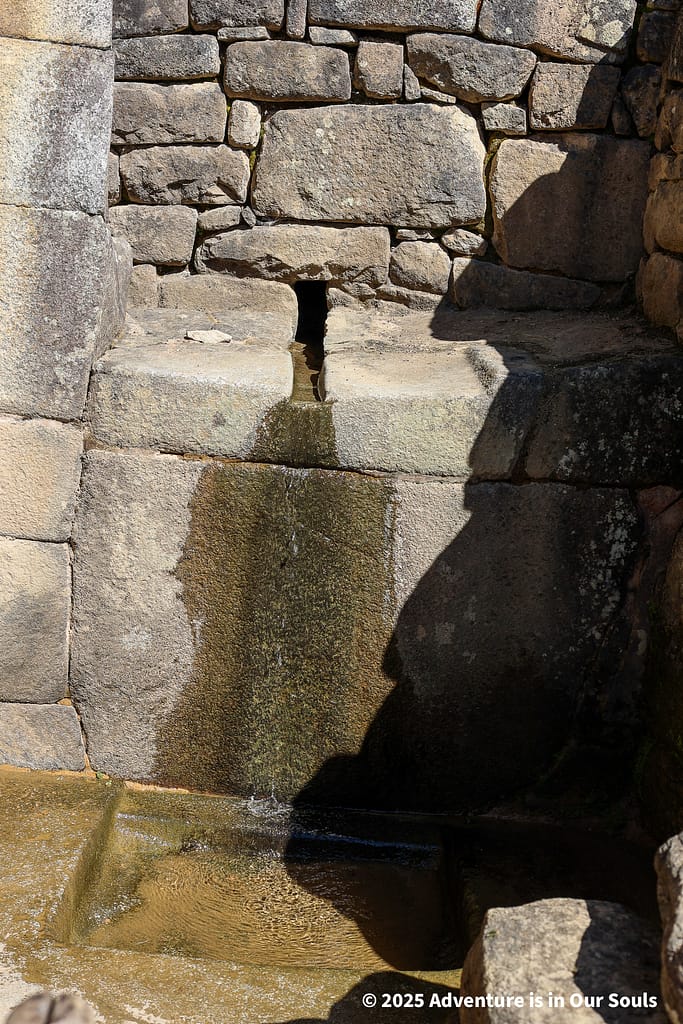
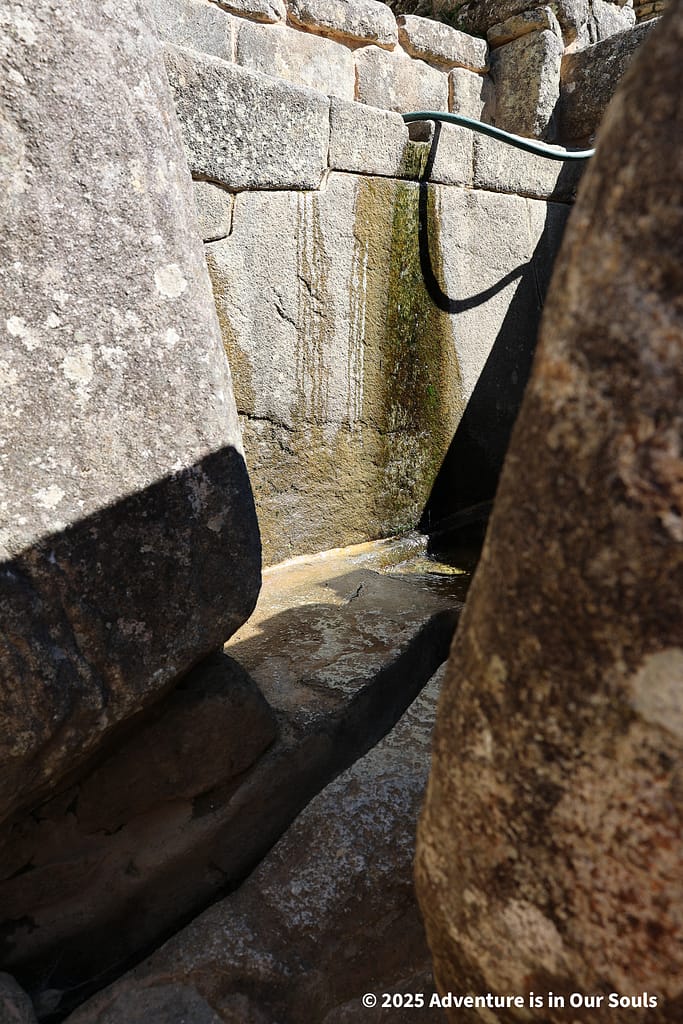
Circuit 3B includes a visit to the water fountains, a series of stone basins carved directly into the rock. These fountains were practical yet beautiful, channeling fresh mountain water throughout the city. Watching the water flow smoothly through channels and spouts gave us a sense of Inca engineering brilliance.
Dry Moat
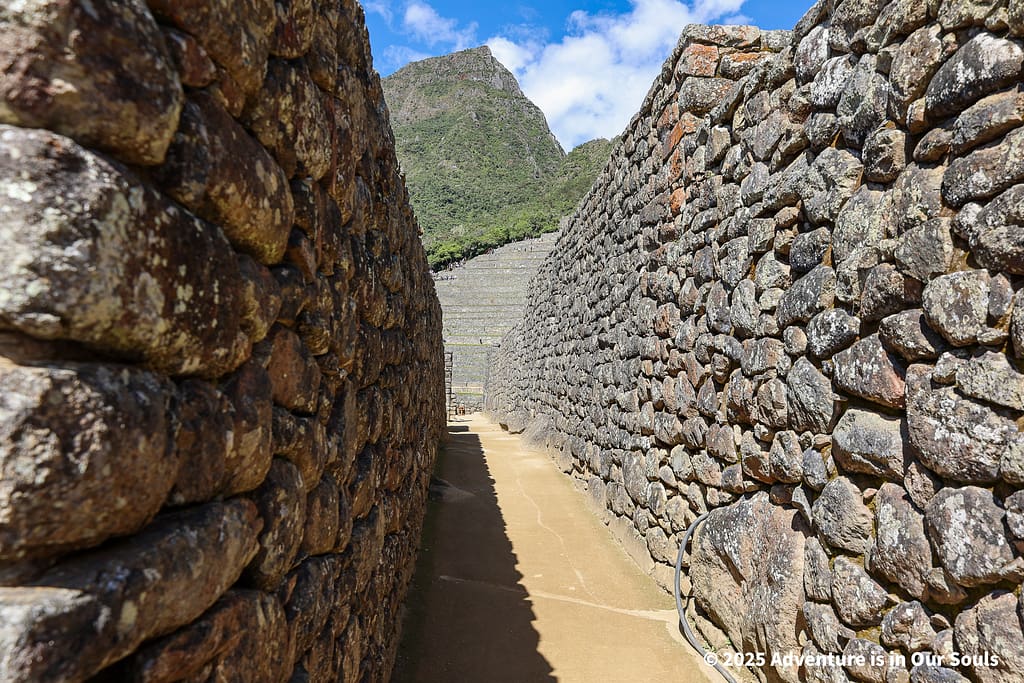
The dry moat viewed on Circuit 3B felt different because it was seen from a lower angle and closer proximity. On 2A, the moat is more of a perimeter defense visible from above, but 3B lets you appreciate its depth and strategic placement. Walking alongside it made its role in protection and sacred separation more real.
Temple of the Sun
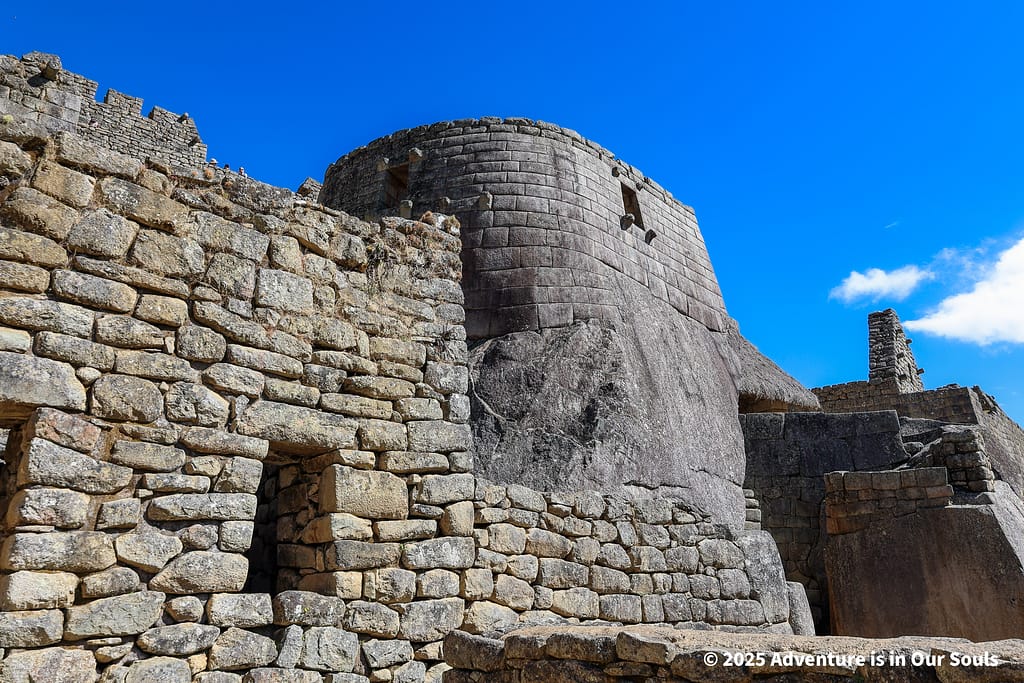
From Circuit 3B, the Temple of the Sun is seen mostly from the side or below, without direct sunlight streaming through the windows as on 2A. This view highlights the temple’s solid, curved walls and the massive stones forming its base. Seeing the temple from this angle gave us a new appreciation for its architectural complexity.
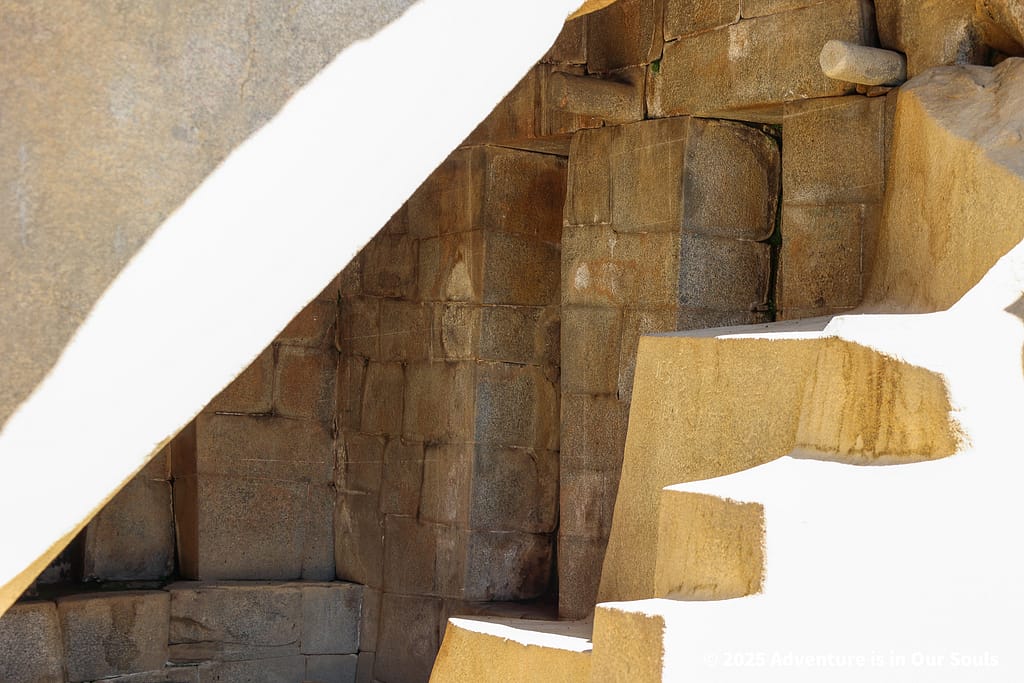
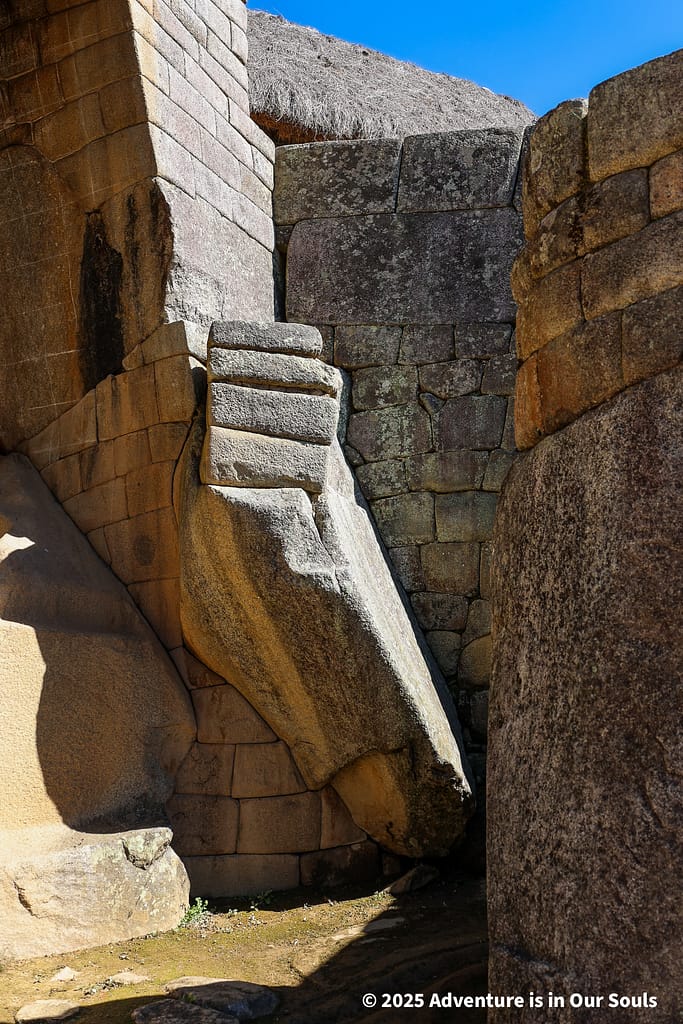
Royal Tomb
Right below the Temple of the Sun is a cave-like space that many believe to be a royal tomb. It’s carved directly into the rock and was likely a ceremonial burial site. The shadows and cool air added to the mystery!
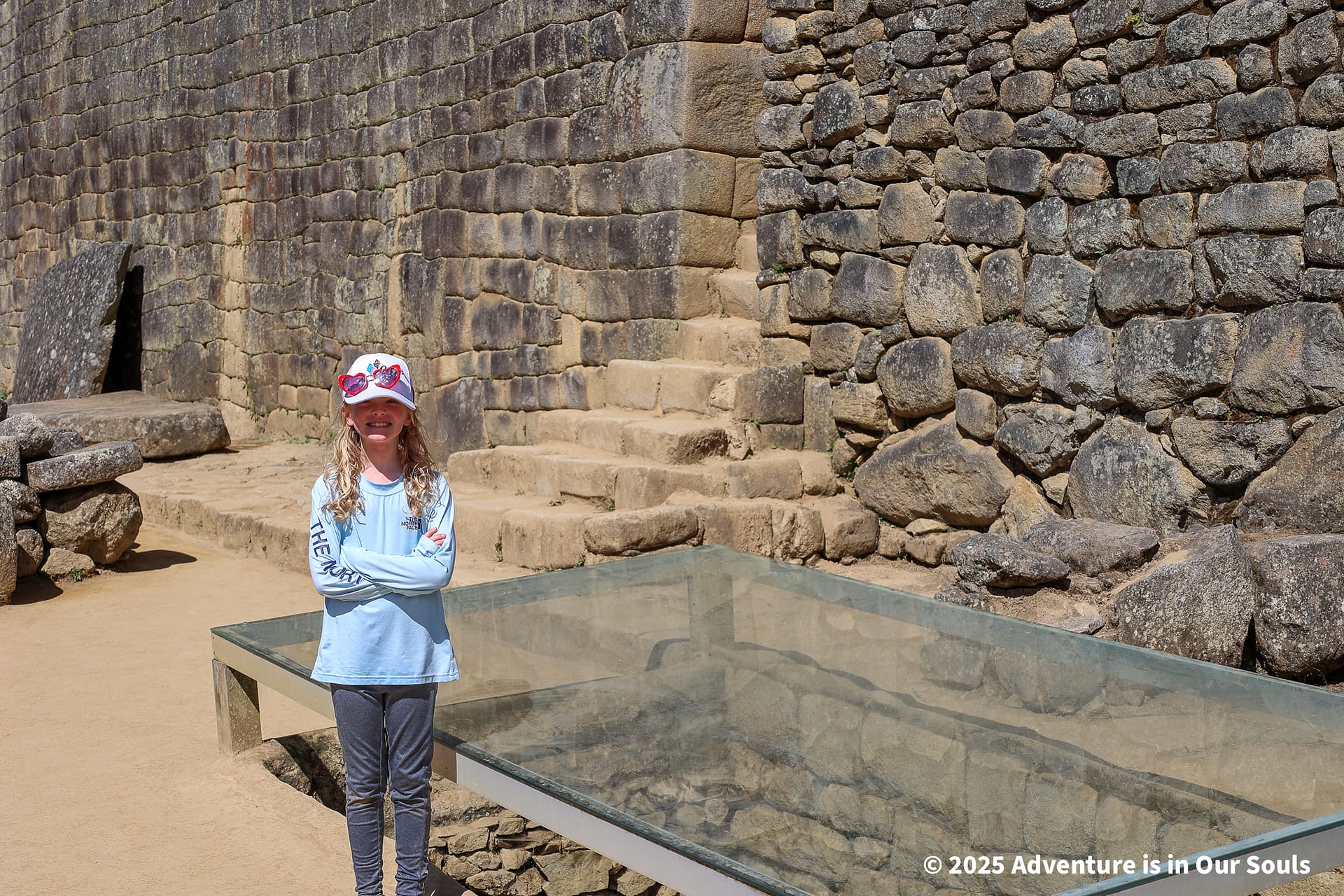
Royal Palace
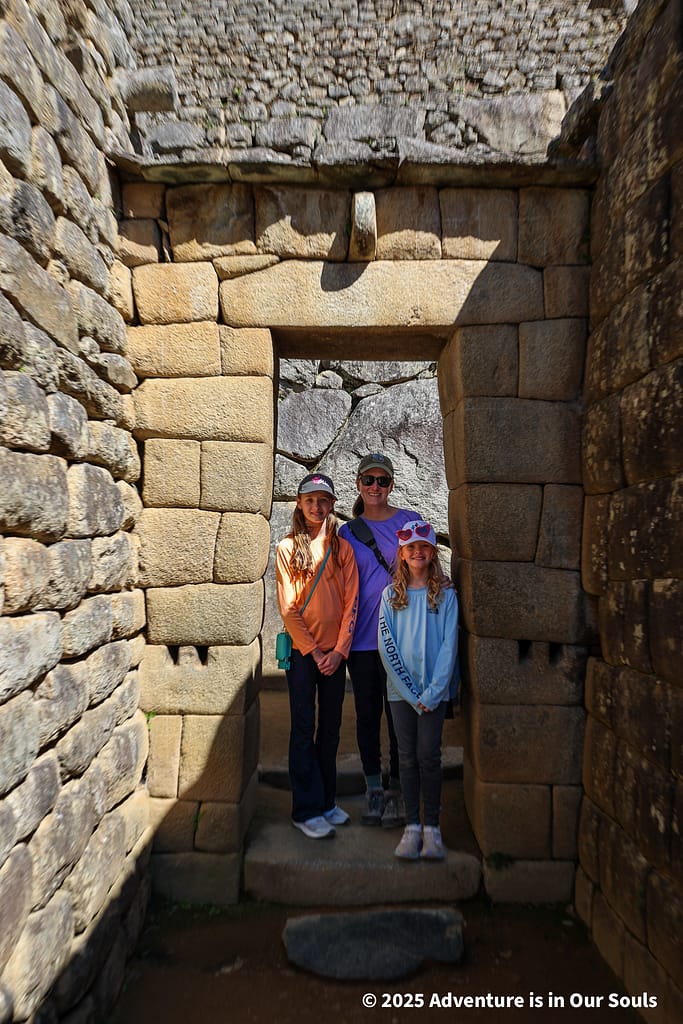
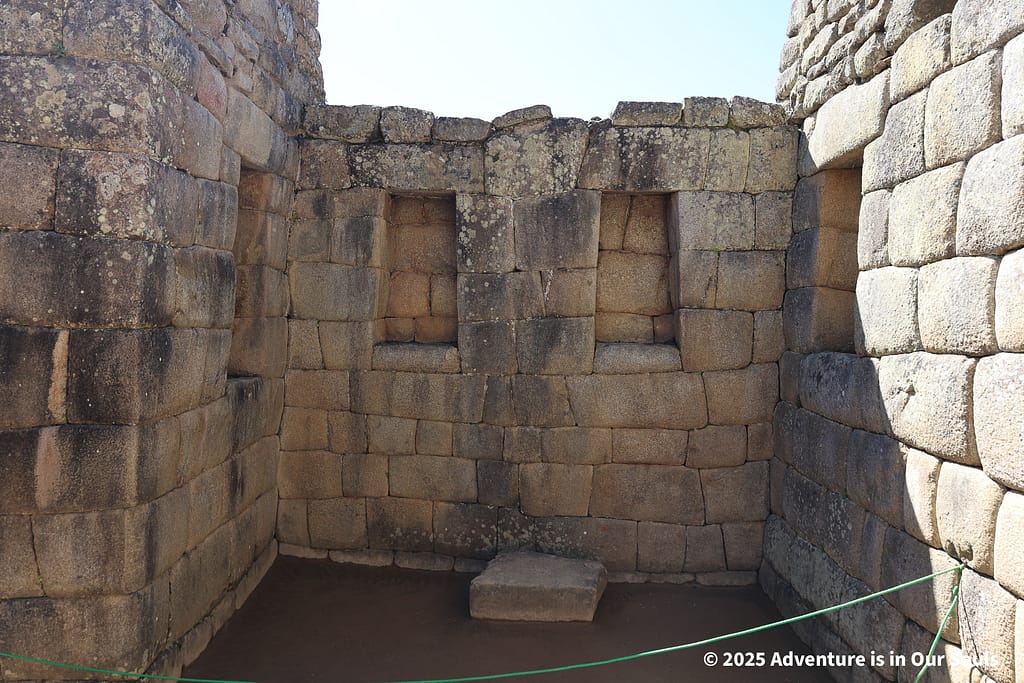
On Circuit 3B we approached the Royal Palace from a lower and more tucked away angle. Unlike the sweeping views we had from above on Circuit 2A, this perspective let us see the structure’s thick stone walls and trapezoidal doors up close! We noticed the difference in construction and the precision of the stonework, which hinted at its importance. The palace felt more grounded and private from this side, almost hidden behind other buildings. It gave us a sense of how the Inca elite might have lived, in a way separated from the busier areas of the city. From this lower route, we also caught glimpses of the palace blending seamlessly into the landscape, making it feel both powerful and peaceful at once! It was another reminder of how intentional and harmonious Inca design really was!
Sacred Rock
The Sacred Rock appears again on Circuit 3B, but from a different perspective. Rather than the broad, mountain-facing view from 2A, here we saw the rock’s base and details up close. This vantage point helped us see why it was considered a ceremonial altar shaped to reflect the nearby peaks.
Industrial Sector
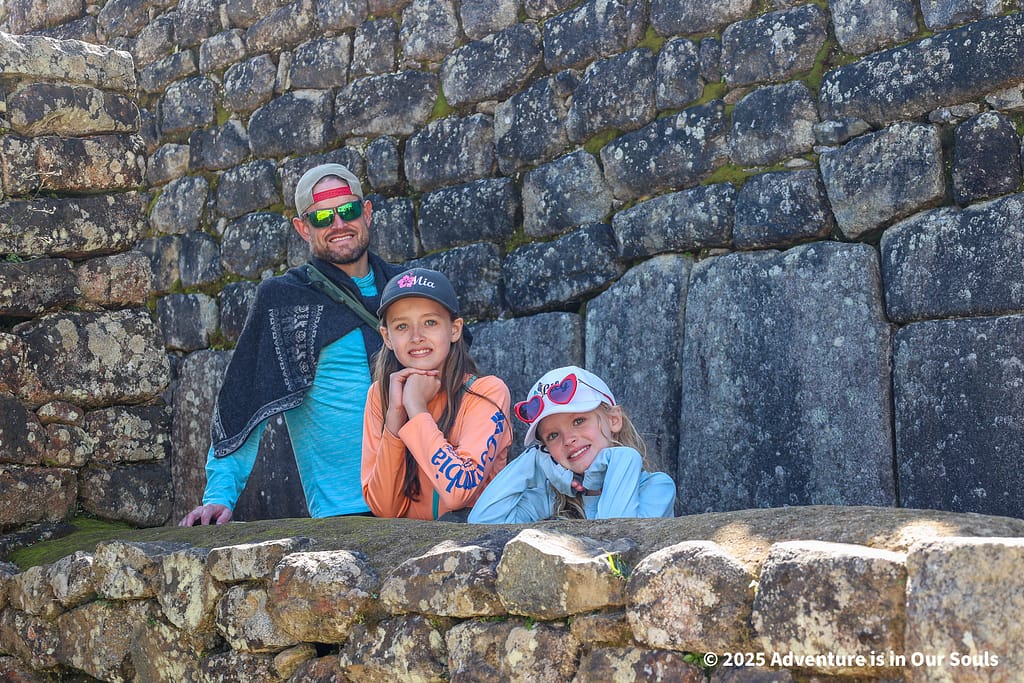
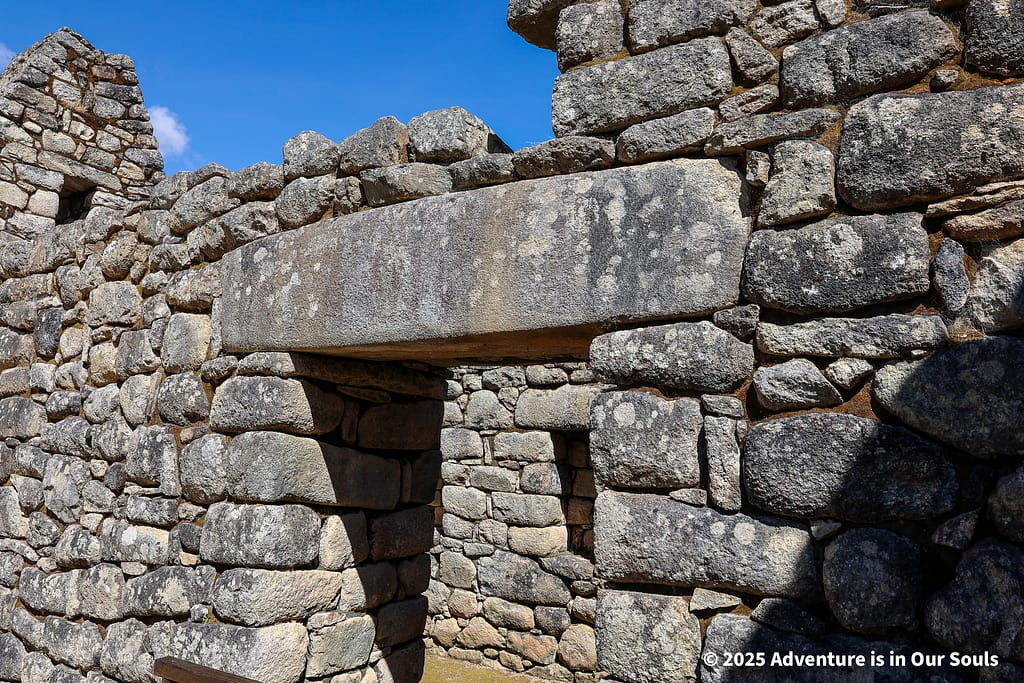
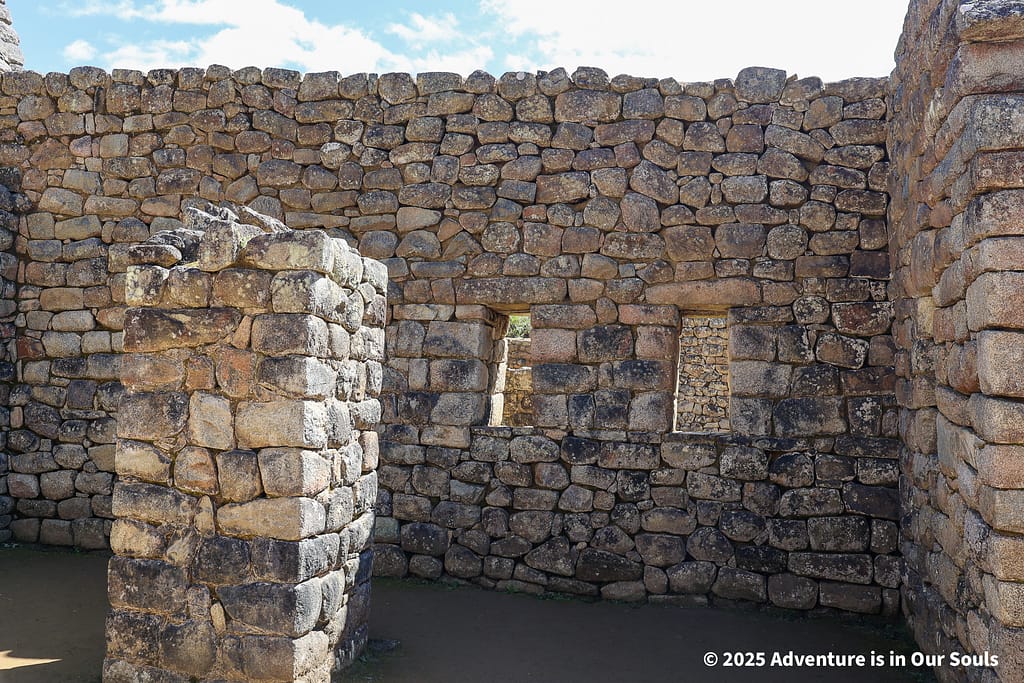
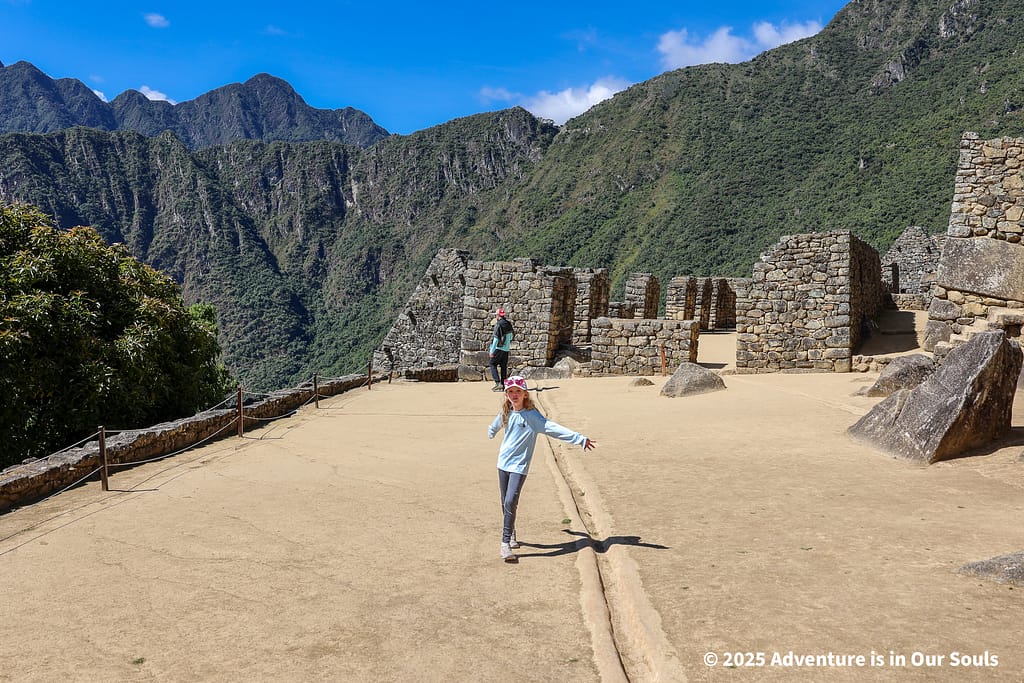
Circuit 3B passes through parts of the Industrial Sector with a more ground-level look. Unlike the panoramic views on 2A, here we could explore the rougher stonework and workshop areas, appreciating the practical side of life at Machu Picchu. It emphasized how the city balanced royal grandeur with everyday function.
Temple of the Condor
The Temple of the Condor on 3B is seen from a side angle, highlighting its intricate rock carvings that form the condor’s wings and body. This view contrasts with 2A’s more aerial perspective, revealing new details of the craftsmanship.
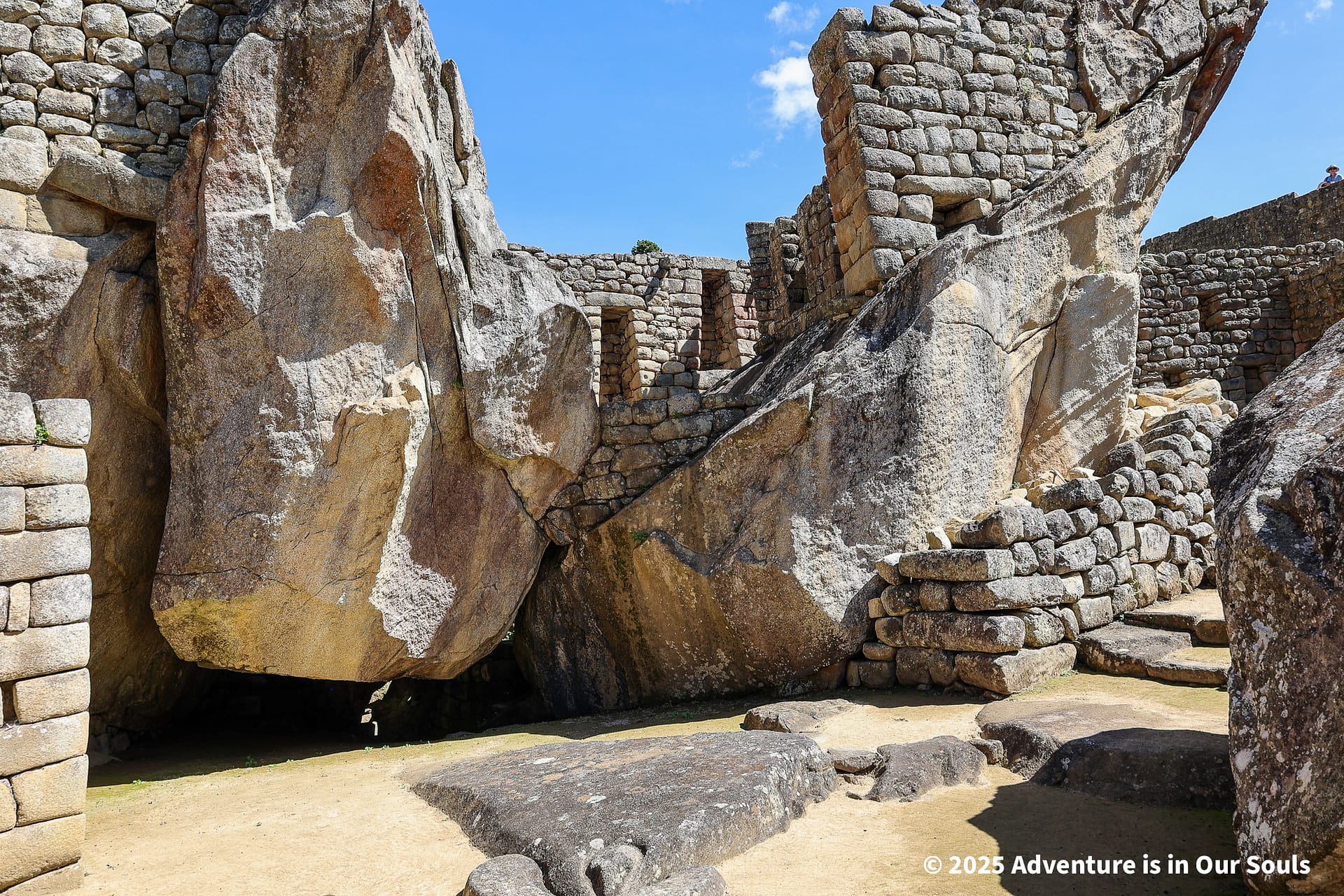
This temple was one of the most imaginative and symbolic places we visited at Machu Picchu! The temple is built around a massive natural rock formation shaped as a condor with its wings outstretched. The Incas carved the body and head of the condor into the stone below, using the existing formation above as its wings. When viewed from the right angle, the full figure of the condor comes to life!
The condor represented the sky and the spiritual realm, and this temple was believed to be a ceremonial site where offerings or sacrifices may have taken place. A flat, stone “altar” below the condor’s head was possibly used in rituals.
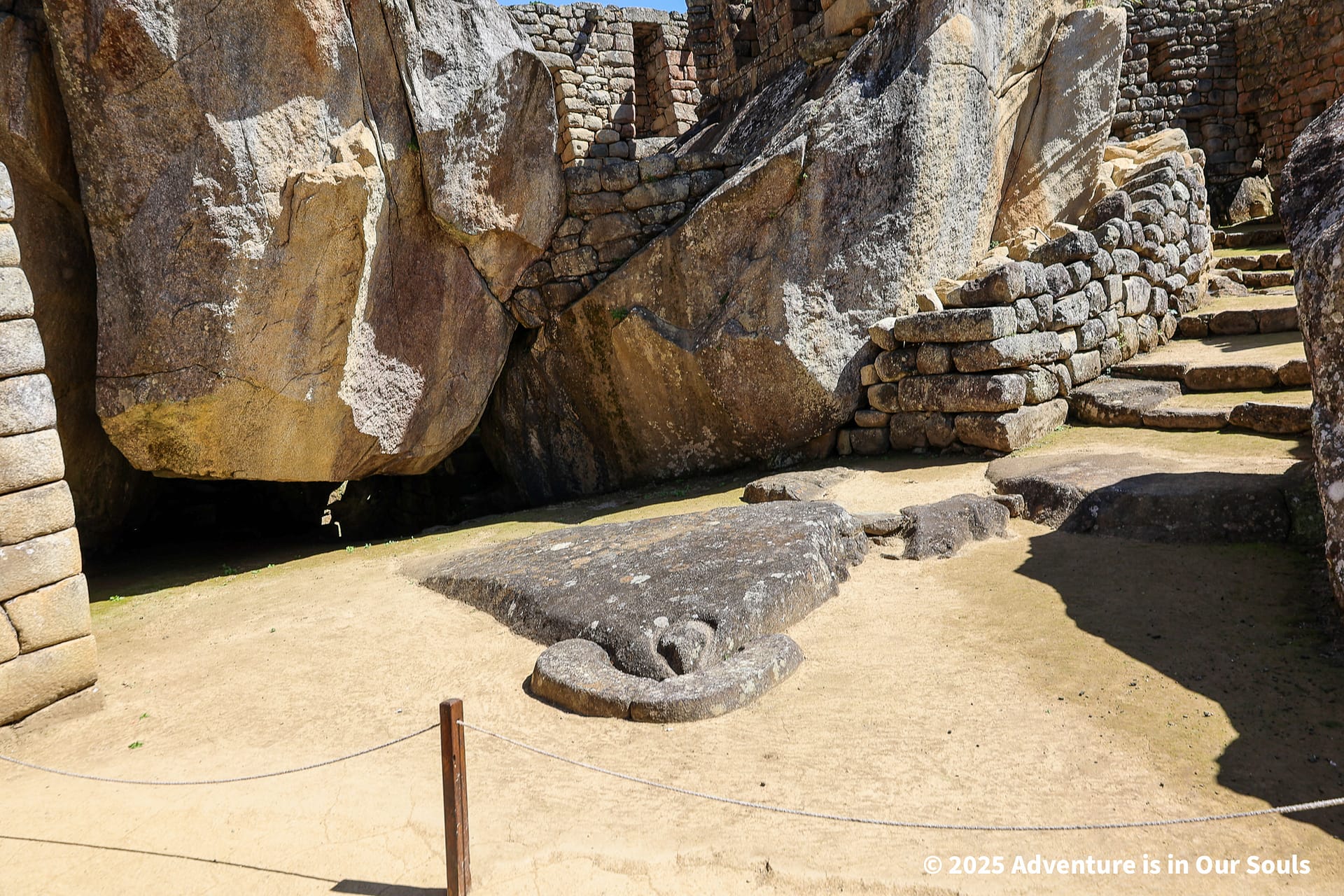
It’s easy to walk right past without noticing the shape. The creativity and vision required to turn a chunk of mountain into a sacred animal symbol was mind-blowing. We all stood there for a while, imagining what ceremonies might have once taken place in this very space. It was another reminder of how deeply spiritual and connected to nature the Inca civilization truly was.
Other Stops
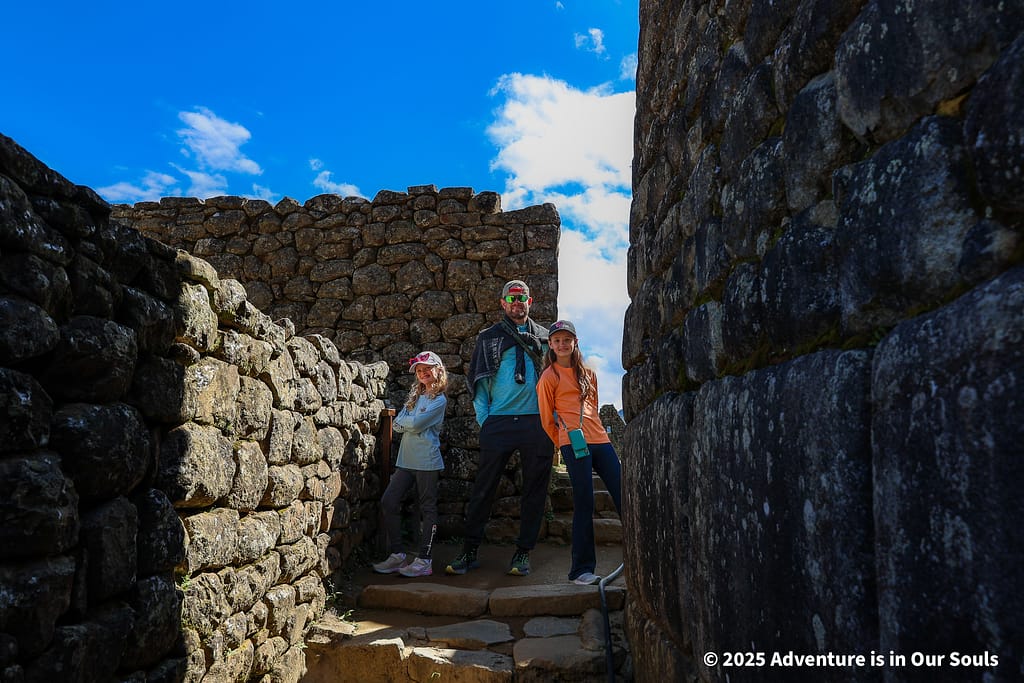
Along Circuit 3B, we also passed several small temples, niches, and terraces not covered in 2A. The quieter paths allowed the girls to explore freely and discover hidden corners of the citadel. It was a wonderful way to end our visit, with a mix of nature, history, and peaceful discovery.
The Family Verdict
Machu Picchu absolutely lived up to the hype and then some! From the postcard views of Circuit 1B to the in-depth exploration of Circuits 2A and 3B, every part of the experience felt like stepping into a real-life adventure story.
We loved how each circuit gave us a different perspective. Circuit 1B gave us the classic photo and a sense of awe. Circuit 2A let us dive deep into the heart of the city, uncovering temples, tombs, and terraces at every turn. Circuit 3B surprised us with quieter corners and hidden gems we would have missed otherwise. By the end, we felt like we had truly experienced Machu Picchu, not just seen it.
The blend of epic scenery, fascinating history, and kid-friendly adventure made this a highlight of our journey in Peru. We left tired, a little dusty, and completely enchanted. For our adventure travel family, Machu Picchu was not just a checkmark on the bucket list. It was a memory we will talk about forever!
Make sure to check out our nearby adventures in Lima, Paracas, Huacachina, Arequipa, Cusco, the Sacred Valley, Ollantaytambo, and Machu Picchu. Also, follow along on our full 10-day family adventure through Peru!
Follow along on our other amazing family travel adventures at www.adventureisinoursouls.com.
Recommended Supplies
Don’t miss out on these recommended supplies for your family adventure!
For Packing:
- Digital Luggage Scale
- Shoe Bags
- Vacuum Storage Bags
- Medicine & First Aid Storage
- Medicine Organizers
- Compression Packing Cubes and Compression Packing Cubes 2
- Toiletry Covers
- Toiletry Bags
For the Airport / Airplane:
- Women’s Compression Socks
- Men’s Compression Socks
- Family Passport / Document Holder
- Portable Cable Organizer
- Neck Pillow
- Sleep Mask
- Apple Watch Portable Charger
- Expandable Luggage
- Compact Blanket
- iPad / Tablet Case
- Luggage Locks
- Bluetooth Adaptor for Airplane
- Air Tags & Covers
For the Hotel:
- Portable Sound Machine
- Power Strip
- Travel Toothbrush Set
- LED Night Lights
- Laundry Bags
- Bed Divider
- Carbon Dioxide Detector
Basics:
- Phone / Purse Combo
- Waist Pouch
- Waterproof Wet Bags
- Extra Duffle Bag / Personal Item
- Cross Body Bag
- Individually Wrapped Wipes
- Water Bottle Carriers
- Hand Soap Sheets
- Medicated Ointment for Bug Bites
- Insect Repellent
- Insect Repellent for Clothing & Gear
- Non-Drowsy Motion Sickness Medicine
- Portable Restroom Kits
- Toilet Covers
- Travel Wipes
- Laundry Sheets
- Jacket / Luggage Straps
Outdoors:
- Women’s All Around Jacket
- Women’s Water-Resistant Hiking Pants, These and These
- Women’s Quick Dry Pants and These
- Women’s Quick Dry Shirts
- Women’s Long Sleeve UV Shirt
- Women’s Hiking Socks
- Women’s Rain Jacket
- Kid’s Quick Dry Pants
- Kid’s Quick Dry Shorts
- Kid’s Quick Dry Shirts
- Kid’s Long Sleeve UV Shirt
- Kid’s Hiking Socks and These
- Kids Rain Jacket
- Kid’s Rain Pants
- Foldable Kid’s Hat
- Men’s Rain Jacket